Determining What Might Be Eating Your Blue Spruce
Picea pungens
By the Greg Editorial Team
Jul 28, 2024•6 min read
This article was created with the help of AI so we can cover more plants for you. May contain errors. See one? Report it here.
Safeguard your Blue Spruce 🌲 and harmonize with nature's rhythm for a vibrant garden ecosystem. 🐾
- 🦌 Identify herbivore damage: Look for signs from deer, rabbits, squirrels, and more.
- 🌲 Protect young Blue Spruces with fencing, repellents, and habitat modifications.
- 🐾 Balance ecosystem health by attracting beneficial wildlife and using preventive strategies.
Blue Spruce Appeal
Blue Spruce trees are more than just a picturesque addition to landscapes; they play a pivotal role in supporting diverse wildlife. Here's why animals are drawn to these evergreens:
- Ecological Haven: Blue Spruce provides essential cover for birds and mammals, from the majestic bald eagle to the tiny mountain chickadee. Its dense foliage offers a safe retreat from predators and harsh weather.
- Food Source: While not the top menu item for herbivores like deer and elk, Blue Spruce seeds are a treat for many bird species. Squirrels, too, are known to cache these coniferous cones for later feasting.
- Seasonal Shelter: During severe winters, animals such as moose and deer seek refuge among the Blue Spruce, utilizing its branches for hiding and thermal cover.
- Conservation Ally: Endangered species find sanctuary in the mixed-conifer forests where Blue Spruce thrives, highlighting its role in biodiversity preservation.
Despite its allure, Blue Spruce is seldom the first choice for a meal among herbivores, which is good news for gardeners aiming to maintain these trees unscathed. However, during times of overpopulation, young spruces can suffer from browsing, indicating the need for balanced wildlife management.
Identifying Herbivore Damage
Gardeners often find themselves playing detective, piecing together clues to protect their beloved Blue Spruce from herbivore damage. Here's how to spot the culprits and what you can do about them.
🦌 Deer Impact
- Look for large, torn leaves or branches; deer are not delicate diners.
- Deer tracks around the tree are a giveaway; they're distinctive with two main hooves forming an upside-down heart shape.
To manage deer:
- Install fencing at least 8 feet high; deer are impressive jumpers.
- Use deer repellents; those that emit a predator scent can be particularly effective.
🐇 Rabbit Signs
- Sharp, clean cuts on lower branches indicate rabbit visits.
- Pea-sized droppings near the tree base are another telltale sign.
Rabbit deterrent techniques include:
- Chicken wire or hardware cloth around the base of the tree.
- Organic repellents; blood meal or crushed red pepper flakes can discourage them.
🐿️ Squirrel Activities
- Look for gnawed bark and small, irregular holes in the ground from buried acorns.
- Squirrels may strip bark in a haphazard fashion, unlike the more methodical damage from rodents.
Squirrel control options:
- Tree guards can prevent them from climbing.
- Decoy predators or noise devices may scare them off temporarily.
🐦 Bird Interactions
- Small peck marks or holes in the bark can signal bird activity.
- Birds may also strip the spruce of its needles, particularly in nesting season.
Bird management methods:
- Netting can protect the most affected parts of the tree.
- Providing alternative food sources can divert their attention.
🐀 Rodent Issues
- Look for gnawing at the base of the tree; rodents like voles and mice leave small, distinct marks.
- Rodent tunnels or burrows may be visible near the tree.
Rodent control measures:
- Trapping can be effective but requires regular attention.
- Repellents, such as castor oil granules, can deter rodents from the area.
🦡 Groundhog Challenges
- Groundhogs leave large, clean bites on branches and may eat through bark.
- Look for large burrow entrances and mounds of excavated soil.
Groundhog deterrence:
- Fencing buried at least a foot underground can prevent digging.
- Live traps baited with fruits or vegetables can capture and relocate them.
Ecosystem Balance and Protection
Maintaining a healthy garden ecosystem involves more than just protecting your plants; it's about fostering a space where beneficial wildlife thrives.
🐦 Attracting Beneficial Wildlife
- Encourage beneficial birds and pollinators by planting a variety of flora that blooms throughout the growing season.
- Recognize the role of predators like ladybugs and praying mantises in managing pests, reducing the need for chemical deterrents.
🦡 Preventive and Reactive Strategies
- Implement fencing, netting, and natural repellents to safeguard Blue Spruce without disrupting the ecosystem.
- Modify habitats and use exclusion methods to deter herbivores while promoting ecological health.
Seasonal Considerations
Herbivores don't stick to a static routine; their feeding habits shift with the seasons. As gardeners, it's crucial to stay one step ahead.
- In spring, fresh Blue Spruce growth is a magnet for wildlife. Deer and rabbits are particularly drawn to the tender new shoots.
- Summer's full foliage offers ample cover and food, attracting squirrels and birds to nest and feed.
- Come fall, animals prepare for winter, often causing increased feeding activity that can lead to more severe plant damage.
- Winter presents a stark landscape where food is scarce, leading some animals to nibble on parts of Blue Spruce they'd usually ignore.
Adjusting your Blue Spruce protection strategies throughout the year isn't just smart; it's necessary. Here's how you can sync with the seasons:
- Spring: Ramp up monitoring and consider physical barriers as new growth emerges.
- Summer: Employ deterrents like reflective tapes for birds and predator urine for mammals.
- Fall: Strengthen defenses and apply taste repellents before animals bulk up for winter.
- Winter: Wrap trunks and use burlap screens to deter desperate foragers.
Remember, the goal is to protect your Blue Spruce while respecting the rhythm of nature.
Plant Parts and Animal Attraction
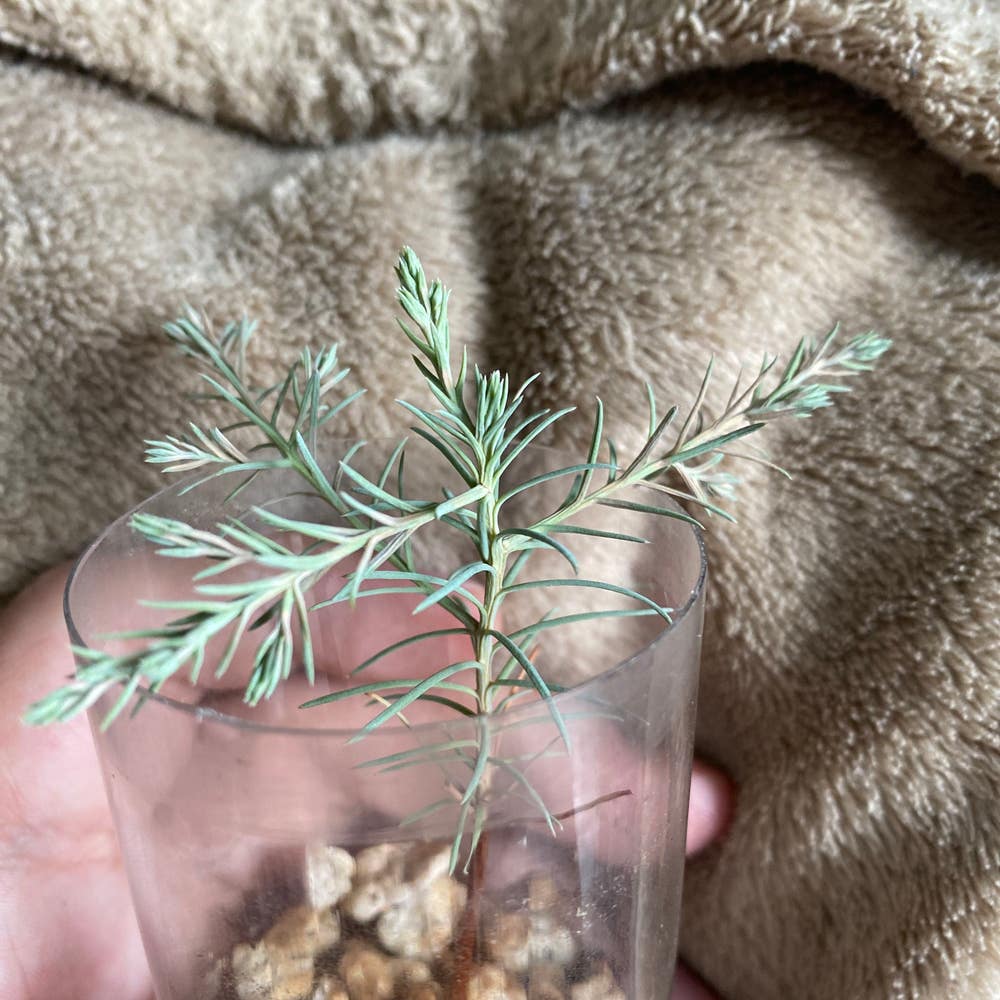
Blue Spruce trees are not just visually stunning; they're a wildlife magnet. The silvery-blue needles and conical shape offer both aesthetic appeal and utility to various creatures.
- Needles and Foliage: Deer find the foliage palatable, especially in winter when food is scarce.
- Cones and Seeds: Birds like siskins and crossbills feast on the seeds, while the dense branches provide shelter.
- New Growth: Squirrels are known to nip off the tips of new growth in the spring, which can be identified by cut pieces on the ground.
The reasons for this attraction are multifaceted:
- The Blue Spruce's needles, while prickly to humans, are a source of sustenance for deer.
- Its seeds are nutritious snacks for birds, and the tree's structure offers protection from predators.
- For squirrels, the tender new shoots are both food and material for nesting.
To protect these attractive parts of your Blue Spruce:
- Apply taste deterrents or physical barriers like netting to discourage deer.
- Encourage birds, which are generally beneficial, by providing alternative food sources like bird feeders.
- For squirrels, consider tree guards or repellents, but remember they also play a role in seed dispersal and ecosystem health.
Remember, while these animals may cause damage, they're integral to the ecosystem, and our strategies should aim for coexistence rather than exclusion.
⚠️ Safety First
This content is for general information and may contain errors, omissions, or outdated details. It is not medical, veterinary advice, or an endorsement of therapeutic claims.
Always consult a qualified healthcare professional before using any plant as food, medicine, or supplement.
Never eat any plant (or feed one to pets) without confirming its identity with at least two trusted sources.
If you suspect poisoning, call Poison Control (800) 222-1222, the Pet Poison Helpline (800) 213-6680, or your local emergency service immediately.
Spotted an error? Please report it here.
Safeguard your Blue Spruce 🦌 against nibbling neighbors by using Greg to identify herbivore damage and connect with experts for wildlife-friendly care strategies.