Blue Spruce is Not an Invasive Plant
Picea pungens
By the Greg Editorial Team
Jul 28, 2024•6 min read
This article was created with the help of AI so we can cover more plants for you. May contain errors. See one? Report it here.
Cultivate a greener world 🌎 with Blue Spruce, the eco-friendly giant that safeguards biodiversity. 🌲
- 🌲 Blue Spruce is non-invasive, with controlled growth and ecological benefits.
- 🐿️ Supports wildlife, offering habitat and enhancing ecosystems.
- 🌱 Sustainable gardening choice, aligning with eco-friendly landscaping principles.
Non-Invasive Classification
In the world of flora, a plant's classification as invasive hinges on specific criteria. An invasive species, by definition, is non-native to the ecosystem, proliferates rapidly, and poses a threat to the environment, economy, or human health. These plants typically lack natural predators and can aggressively outcompete native species, leading to a loss of biodiversity and altered habitats.
- Non-Native Status: Invasive plants are not originally from the area they are found in.
- Rapid Spread: They have a tendency to spread quickly and uncontrollably.
- Environmental Impact: Their presence causes significant harm to native ecosystems.
The Blue Spruce, however, does not fall into this category. Here's why:
- Native Range: Blue Spruce is native to North America, specifically the Rocky Mountains, and is not considered an alien species in its natural habitat.
- Controlled Growth: Unlike invasive species, Blue Spruce grows at a moderate rate and does not aggressively invade spaces, making it a manageable addition to gardens.
- Ecological Harmony: It coexists with native species without displacing them, maintaining a balance in biodiversity.
Understanding these distinctions is crucial for gardeners and conservationists alike, as it underscores the importance of choosing the right plants for our landscapes.
Growth Patterns
Understanding Blue Spruce's growth behavior is key to appreciating its role in a garden setting. This majestic tree typically exhibits a pyramidal shape, with a strong central leader and horizontal branches that create a dense, conical silhouette.
- Blue Spruce thrives in USDA climate zones 1 through 10.
- It requires at least 6 hours of sunlight during the growing season for optimal growth and color.
🌲 Natural Boundaries: Limits to Blue Spruce Expansion
While Blue Spruce trees are known for their stately presence, they are not aggressive spreaders. Their growth is self-limiting, which contributes to their non-invasive status.
- The tree's root system is designed to support its size but does not aggressively invade surrounding areas.
- Proper planting and care, including adequate spacing and timely pruning, can manage its size and shape, ensuring it complements rather than overwhelms a garden space.
Ecological Contributions
Blue Spruce trees are more than just a visual delight; they're ecological powerhouses. Let's explore how they enrich our ecosystems.
Habitat and Shelter: Blue Spruce provides a safe haven for a myriad of creatures. Its sturdy branches are perfect for bird nests, while its dense foliage offers shelter for mammals seeking refuge from the elements or predators.
Soil Fertility: The needles that Blue Spruce sheds contribute to a nutrient-rich layer on the forest floor. This organic matter decomposes and enhances soil quality, which in turn supports an array of understory plant life.
🦉 Wildlife Partnerships: How Blue Spruce Supports Biodiversity
The Blue Spruce's ecological narrative includes a cast of diverse wildlife that relies on it for survival.
Birds: From songbirds to raptors, avian species find food and nesting sites among the spruce's branches.
Mammals: Small mammals like squirrels and chipmunks use the tree for food, nesting, and as a playground for their acrobatics.
Insects and Pollinators: Insects thrive within the microhabitats the tree provides. These tiny critters are crucial for pollination and serve as a food source for birds and other wildlife.
By supporting such a wide range of life, Blue Spruce plays a pivotal role in maintaining the balance and diversity of our forests and gardens.
Cultivating Blue Spruce
Designing your garden with Blue Spruce can be a rewarding experience, thanks to its majestic form and striking blue-green needles. Here are some essential tips and tricks to ensure your Blue Spruce not only thrives but also enhances your garden's beauty without becoming overbearing.
🌿 Designing Gardens with Blue Spruce: Tips and Tricks
- Select the Right Cultivar: With various Blue Spruce cultivars available, choose one that fits your garden's size and aesthetic.
- Planting Location: Blue Spruce needs a spot with full sun to partial shade and well-draining soil to prevent root rot.
- Watering: Keep the soil moist, especially during the first growing season, to establish a strong root system.
- Mulching: Apply a layer of mulch around the base, extending beyond the branch tips, to retain moisture and regulate soil temperature.
🌱 Managing Growth: Ensuring Blue Spruce Thrives Without Overstepping
- Spacing: Give your Blue Spruce ample room to grow, reducing the need for frequent pruning.
- Pruning: While minimal, it's essential for shaping the tree and removing any damaged branches.
- Fertilization: Master the timing and techniques of fertilization to boost the tree's health and vibrancy.
- Pest Control: Keep an eye out for common pests like scale insects and address them promptly to prevent damage.
By following these guidelines, you can enjoy the splendor of Blue Spruce in your garden without the worry of it becoming invasive.
Distinguishing Characteristics
🌲 Blue Spruce vs. Invasive Species: A Comparison
Blue Spruce stands out from invasive species with its non-aggressive growth and compatibility with local ecosystems. Unlike invasives that spread rapidly and disrupt habitats, Blue Spruce grows at a moderate pace, respecting the balance of its surroundings. It doesn't exhibit the typical invasive traits such as rapid reproduction or adaptability to a wide range of conditions that often lead to the outcompeting of native flora.
- Invasive species are characterized by their detrimental impact on the environment, economy, or human health.
- Blue Spruce, being native to the Rocky Mountains, does not pose such threats and maintains ecological integrity.
🌟 Unique Traits: What Sets Blue Spruce Apart
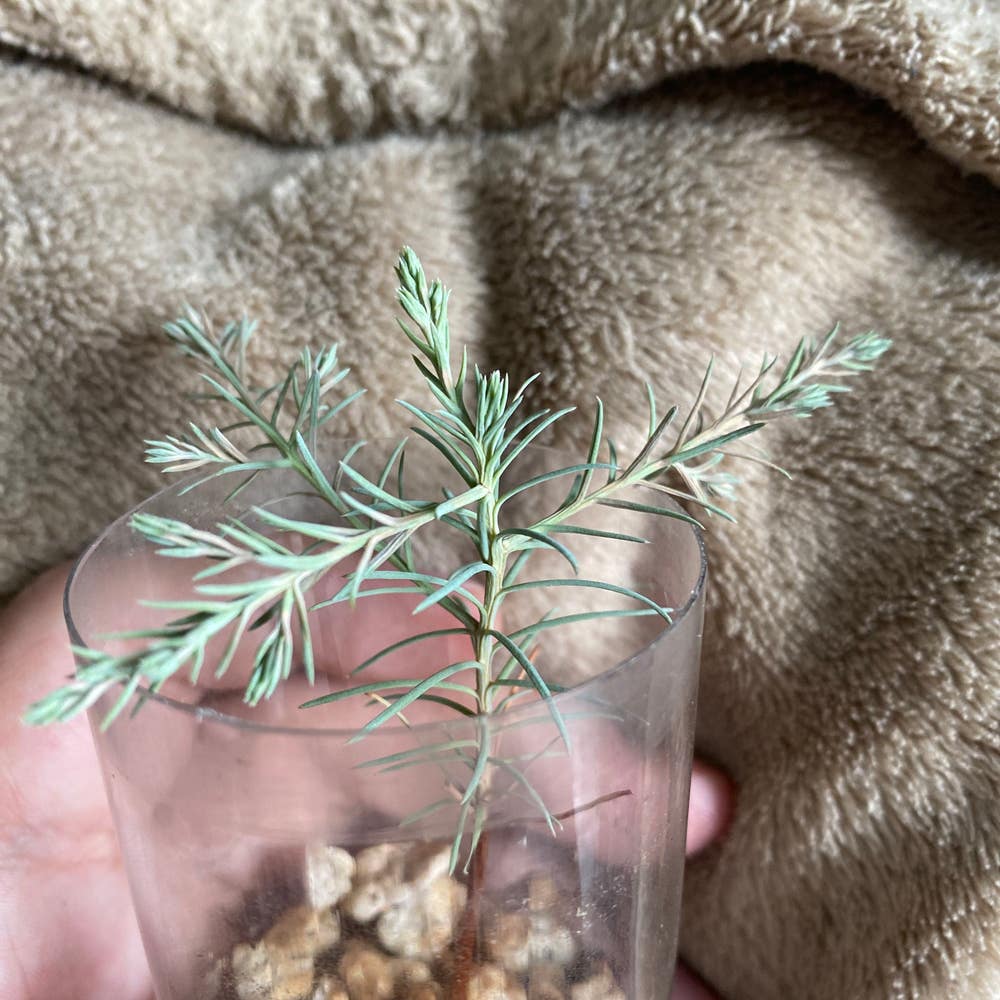
The Blue Spruce's distinct features not only contribute to its ornamental value but also to its non-invasive nature. Its silvery-blue needles and pyramidal shape make it a favorite among gardeners, while its stiff, spine-tipped leaves and dense crown are traits that differ from those of invasive species.
- The tree's growth is naturally limited, with lower branches that droop with age, preventing unchecked expansion.
- Its needles, sharp and rigid, are a quick identifier, setting it apart from other conifers and highlighting its unique place in the landscape.
By understanding these characteristics, gardeners can appreciate the Blue Spruce's role as a sustainable choice for their green spaces.
Sustainable Practices
Planting Blue Spruce is more than just adding beauty to your garden; it's a step towards environmental stewardship. When integrating this majestic tree into your landscape, you're not only considering aesthetics but also how it contributes to a healthier planet.
- Blue Spruce trees are known for their ability to purify the air, absorbing carbon dioxide and releasing oxygen.
- Their deep root systems help stabilize soil and prevent erosion, making them allies in the fight against land degradation.
In the realm of eco-friendly gardening, Blue Spruce stands out as a harmonious match. It's a testament to the idea that our gardens can be both visually stunning and environmentally sound.
- By choosing Blue Spruce, you're opting for a low-maintenance tree that requires minimal interventions, reducing the need for chemical fertilizers and pesticides.
- Its resilience and natural boundaries make it a sustainable choice that aligns with durable landscape design principles.
Remember, the key to a sustainable garden is balance—encouraging growth without letting it run wild. With Blue Spruce, you're planting with purpose, creating a space that's as good for the earth as it is for the soul.
⚠️ Safety First
This content is for general information and may contain errors, omissions, or outdated details. It is not medical, veterinary advice, or an endorsement of therapeutic claims.
Always consult a qualified healthcare professional before using any plant as food, medicine, or supplement.
Never eat any plant (or feed one to pets) without confirming its identity with at least two trusted sources.
If you suspect poisoning, call Poison Control (800) 222-1222, the Pet Poison Helpline (800) 213-6680, or your local emergency service immediately.
Spotted an error? Please report it here.
Cultivate a balanced ecosystem with your Blue Spruce 🌲 using Greg's tailored care reminders and growth tracking for a sustainable and stunning garden.