Ultimate Guide to Blue Spruce Roots
Picea pungens
By the Greg Editorial Team
Jul 28, 2024•6 min read
This article was created with the help of AI so we can cover more plants for you. May contain errors. See one? Report it here.
Grow a majestic Blue Spruce 🌲 by unlocking the potential of its shallow yet sturdy roots.
- 🌲 Shallow yet robust roots help Blue Spruce withstand winds.
- 💧 Deep watering and balanced fertilizing are key for root health.
- ✂️ Root pruning and monitoring prevent distress and diseases.
Blue Spruce Root Basics
Blue Spruce trees, known for their majestic stature and silvery-blue needles, have a root system that is as fascinating as their above-ground beauty. Their roots are relatively shallow yet capable of anchoring these towering trees securely against strong winds.
Understanding the Blue Spruce Root System
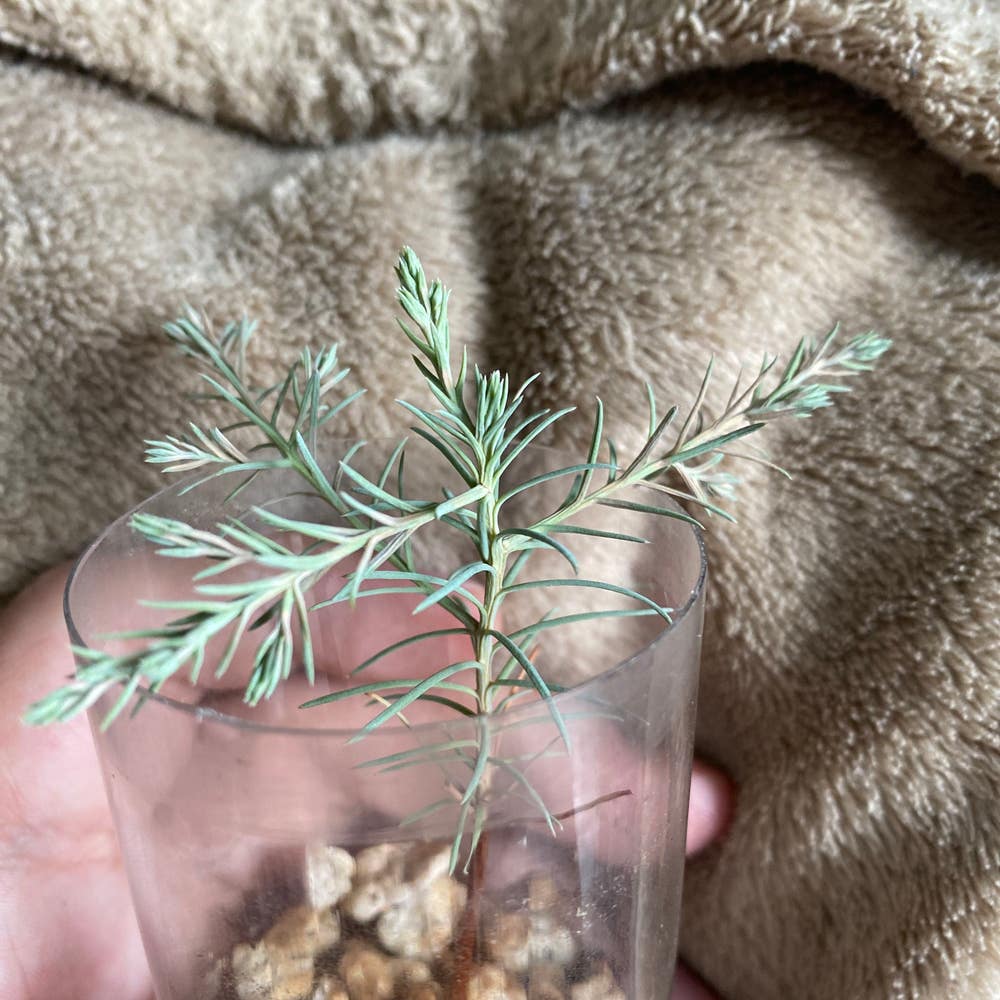
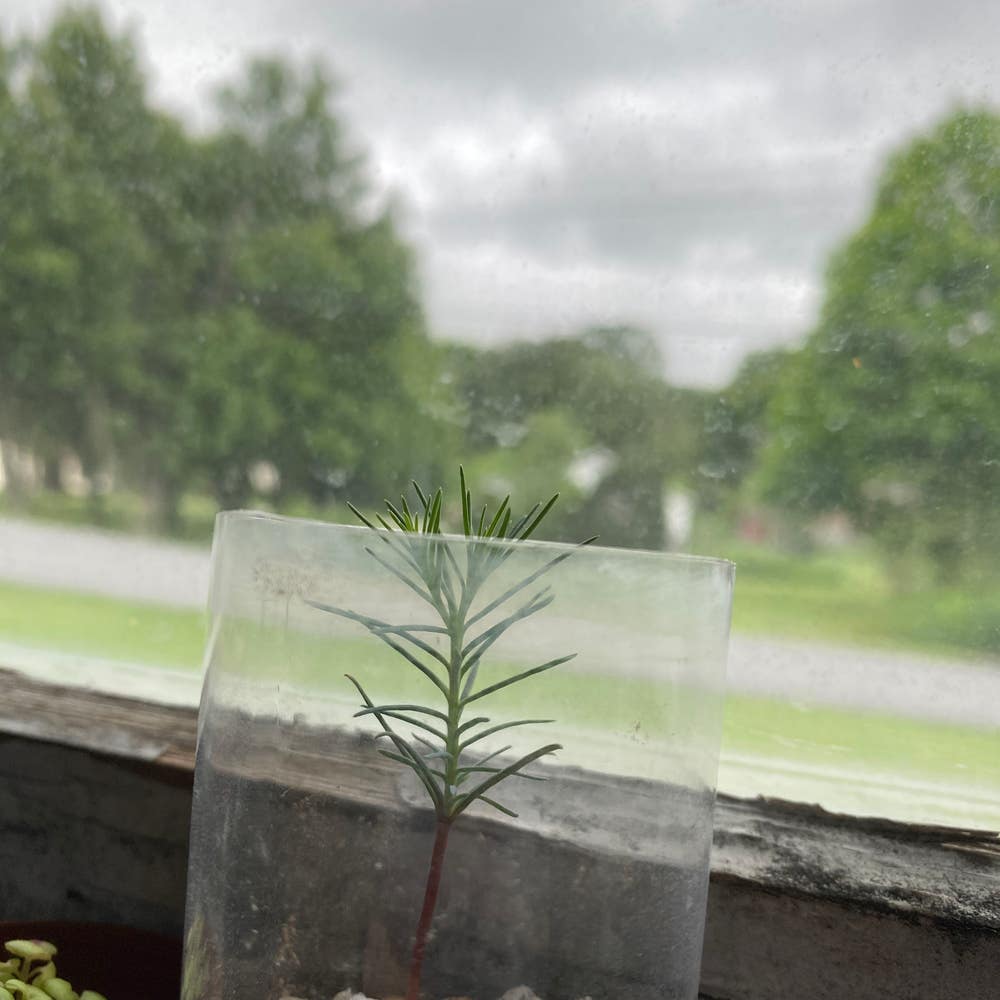
- Blue Spruce seedlings start with roots that penetrate just a few inches of soil, but don't let this initial fragility fool you. As they mature, their roots become robust and spread out to support their growth.
- The root system is not a deep taproot but a network of fibrous roots that can resist frost heaving and thrive in Mollisols, with some presence in histosols and inceptisols.
Identifying Characteristics of Healthy Roots
- Healthy Blue Spruce roots are firm and light in color, typically white or tan. They should feel springy, not soft or mushy, which can indicate root rot or other health issues.
Growth Patterns and Seasonal Changes
- The roots grow most actively in the spring and summer, coinciding with the peak periods of precipitation which these trees favor.
- As the tree ages, the root surface area can be encouraged to expand through practices like root pruning, enhancing stability and nutrient uptake.
Planting and Transplanting
Planting a Blue Spruce requires a gentle touch and an understanding of its root system to ensure a successful transplant. Here's how to do it right.
🌱 Preparing for Planting: Root System Considerations
- Choose a location with well-draining soil to prevent root rot.
- Dig a hole that's twice as wide as the root ball but no deeper, to allow roots to spread without sinking the tree too low.
🌲 Transplanting Best Practices
- Transplant on an overcast day to reduce stress on the Blue Spruce.
- Water the tree before removing it from its current location to hydrate the roots.
- Handle the root ball with care to avoid disturbing the roots, which can lead to transplant shock.
- Place the tree in the hole at the same depth it was growing before and backfill with soil, tamping down gently to remove air pockets.
🌿 Post-Transplant Care for Root Establishment
- Water deeply after transplanting to settle the soil around the roots.
- Mulch around the base of the tree to retain moisture and regulate soil temperature.
- Avoid fertilizing immediately after transplanting; wait until the tree shows signs of new growth.
- Monitor the Blue Spruce for signs of distress and adjust care as needed to support root recovery and growth.
Watering and Fertilizing
Watering is crucial for the deep roots of Blue Spruce. Here's how to get it right:
- Aim for deep watering sessions that encourage roots to grow downwards, creating a sturdy foundation.
- Use a slow and steady approach to ensure water penetrates deeply, rather than a quick sprinkle.
- Allow the top inch of soil to dry out before the next watering to prevent overwatering.
Fertilizer application is all about balance:
- Select a balanced, slow-release fertilizer and apply as directed to avoid burning the roots.
- Water the soil well after fertilizing to help nutrients reach the root zone.
- Apply fertilizers where roots are most active, typically over a wide area around the tree.
Be on the lookout for signs of overwatering or nutrient deficiency:
- Overwatering: Root rot, wilting with wet soil, yellow leaves, and mushy stems at the soil line.
- Nutrient Deficiency: Yellow or brown leaves, stunted growth, and poor flowering despite proper watering.
Remember, the goal is to maintain a healthy root system for a thriving Blue Spruce.
Root Health Management
Recognizing and preventing root rot in Blue Spruce is crucial for maintaining a healthy tree. Here's what to look out for and how to take action:
- Symptoms of Root Rot: Keep an eye out for soft, brown roots or a tree that's wilting despite adequate watering.
- Preventative Measures: Ensure good drainage by selecting the right soil and pot with drainage holes. Water wisely, avoiding saturation.
- Immediate Actions: If you spot signs of root rot, prune the affected roots with sterilized tools and repot in fresh, well-draining soil.
🌱 Addressing Soil Compaction and Drainage
Soil compaction can suffocate Blue Spruce roots, while poor drainage can lead to waterlogged conditions conducive to root rot. Here's how to maintain an ideal environment:
- Aerate the Soil: Regularly loosen the soil to prevent compaction, allowing roots to breathe and water to penetrate effectively.
- Enhance Drainage: Mix in organic matter or use raised beds to improve soil structure and water flow.
🌿 Root Pruning: When and How
Root pruning can be a vital practice for the health of your Blue Spruce, particularly when transplanting or if the tree is becoming rootbound.
- When to Prune: Prune during dormancy, before spring growth, or when repotting to minimize stress on the tree.
- How to Prune: Carefully remove any circling or girdling roots to encourage outward growth. Use clean, sharp tools to make precise cuts.
Troubleshooting Root Issues
Root health is pivotal for a thriving Blue Spruce. Let's dive into spotting trouble and finding solutions.
🌱 Spotting Signs of Root Distress
- Look for stunted growth, yellowing needles, and a general decline in plant vigor.
- Check for roots that are soft, brown, or have a foul smell—these are red flags for rot.
- Inspect the soil surface and drainage holes for roots that are overly dense or circling, indicating a rootbound condition.
🌿 Managing Rootbound Situations
- If roots are circling the pot or growing through drainage holes, it's time to repot into a larger container.
- Gently tease apart the roots when repotting to encourage them to spread out in their new home.
- Choose a pot with ample room for future growth to prevent the issue from recurring soon.
🐛 Root Pests and Diseases: Identification and Control
- Keep an eye out for pests like root aphids and weevils, which can cause noticeable damage.
- Diseases such as root rot often result from overwatering or poor drainage—adjust your watering routine accordingly.
- Implement a soil inspection routine during repotting to catch and address issues early on.
- Use fungicides judiciously when fungal pathogens are confirmed, and always follow manufacturer instructions for application.
⚠️ Safety First
This content is for general information and may contain errors, omissions, or outdated details. It is not medical, veterinary advice, or an endorsement of therapeutic claims.
Always consult a qualified healthcare professional before using any plant as food, medicine, or supplement.
Never eat any plant (or feed one to pets) without confirming its identity with at least two trusted sources.
If you suspect poisoning, call Poison Control (800) 222-1222, the Pet Poison Helpline (800) 213-6680, or your local emergency service immediately.
Spotted an error? Please report it here.
Nurture a mighty Blue Spruce 🌲 with Greg's tailored deep watering plans, fortifying roots for a landscape that stands tall against the elements.