Ultimate Guide to What's Eating Your Pink Jasmine 🐛
Jasminum polyanthum
By the Greg Editorial Team
Oct 09, 2024•7 min read
This article was created with the help of AI so we can cover more plants for you. May contain errors. See one? Report it here.
Safeguard your beautiful Pink Jasmine from hungry herbivores and boost your garden's ecosystem! 🌸
- 🌸 Pink Jasmine attracts herbivores due to its fragrant flowers and tender shoots.
- 🦌 Common pests include deer, rabbits, and squirrels—each causing unique damage.
- 🛡️ Effective deterrents like fencing and repellents can protect your Pink Jasmine.
Description and Appeal
Appearance 🌸
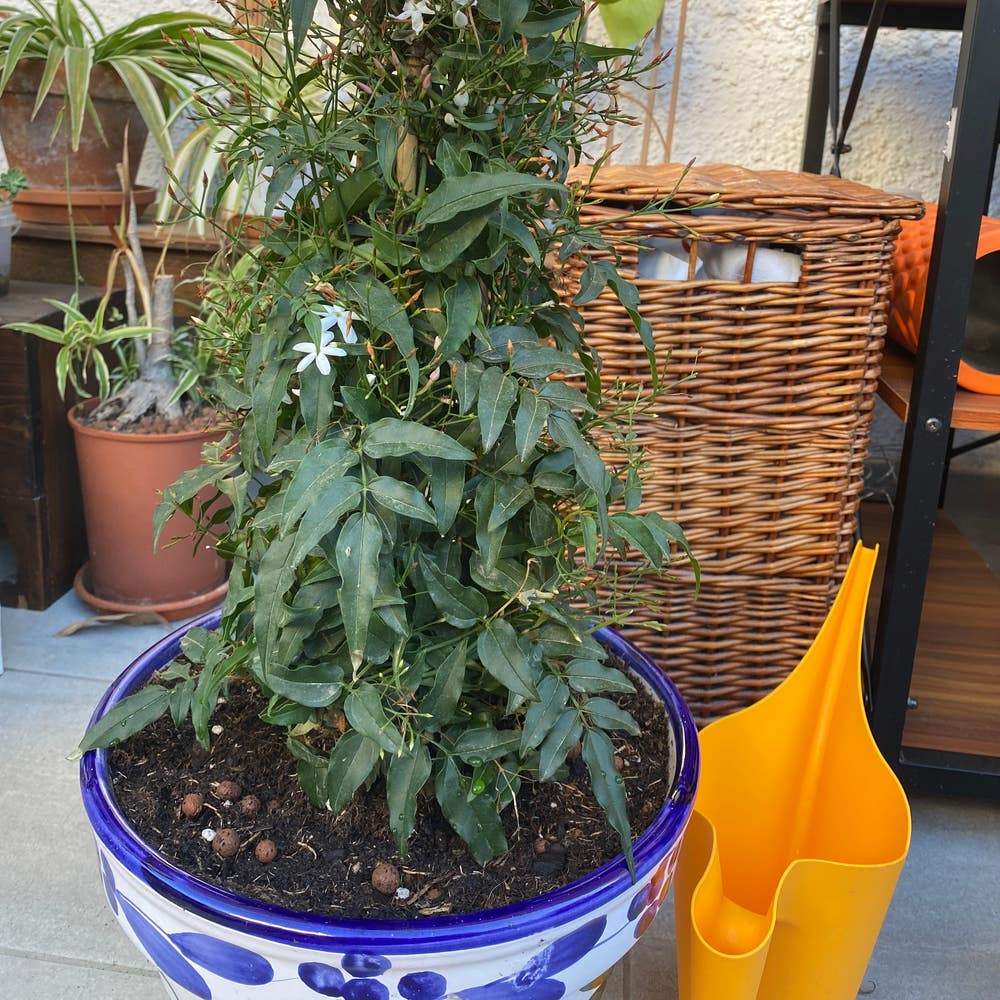
Pink Jasmine is a stunning climbing vine that can transform any garden space. Its growth habit features long, flexible stems that can reach impressive heights, often requiring support from trellises or fences.
The flowers are a highlight, showcasing fragrant white to pale pink blooms that typically appear in late spring and summer. These blossoms not only add beauty but also fill the air with a delightful scent.
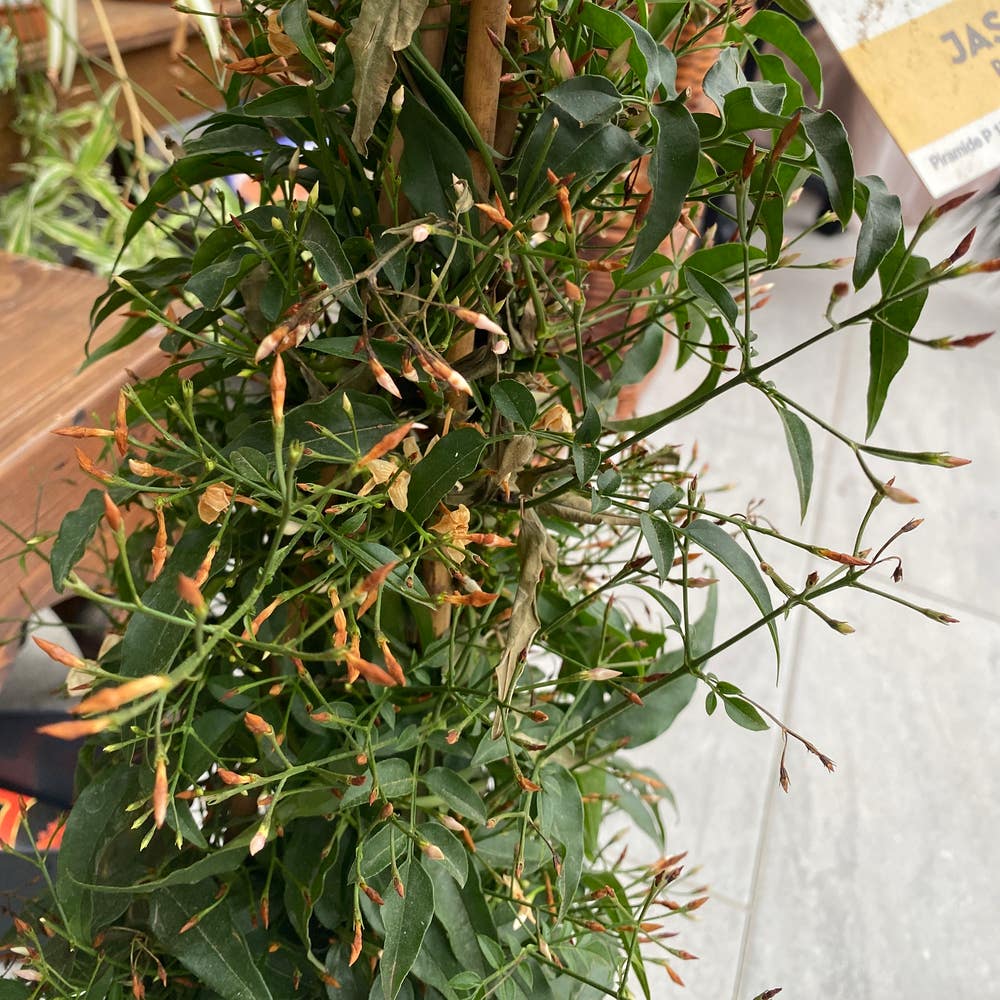
The foliage consists of glossy green leaves that create a lush backdrop for the flowers. These leaves grow in a dense pattern, contributing to the vine's overall appeal and providing a vibrant green canvas.
Most Appealing Parts to Animals 🐾
The flowers of Pink Jasmine are particularly enticing to herbivores due to their sweet fragrance and rich nectar. This allure makes them a target for various animals seeking a tasty treat.
Young shoots are another favorite, as they are tender and packed with nutrients. Many animals find these shoots irresistible, making them a prime target for nibbling.
Lastly, the fruits produced by Pink Jasmine can attract birds and small mammals. These fruits serve as a food source, further enhancing the plant's role in the local ecosystem.
In summary, Pink Jasmine's beauty and nutritional offerings make it a magnet for both admiration and appetite in the animal kingdom. This dual appeal underscores the importance of understanding how to protect this lovely plant from potential herbivores.
Next, we will explore the common herbivores that affect Pink Jasmine and how to identify their presence.
Common Herbivores Affecting Pink Jasmine
🦌 Deer
Signs of Presence
Look for hoof prints in soft soil or mud, which indicate deer activity. You may also find dark, pellet-like droppings near your pink jasmine.
Type of Damage
Deer often browse on leaves and stems, stripping foliage and causing stunted growth. This can severely impact the overall health of your plant.
Beneficial or Harmful Interaction
Deer interactions are generally harmful. They can decimate young plants, making it crucial to implement protective measures.
Deterrent Methods
Consider erecting an 8-foot tall fence to prevent access, which is moderately difficult but effective. Alternatively, use commercial deer repellents or homemade solutions like garlic spray for an easier option.
🐇 Rabbits
Signs of Presence
Rabbits leave behind clean cuts on young shoots, indicating they've been munching. You might also spot small, round droppings scattered around the base of your plants.
Type of Damage
These critters gnaw on young shoots, which can severely affect plant growth. Their appetite can lead to significant damage if not managed.
Beneficial or Harmful Interaction
Rabbits are generally harmful to pink jasmine. Their feeding habits can lead to extensive plant damage.
Deterrent Methods
Netting serves as an easy protective barrier around young plants. You can also use organic repellents with scents like peppermint or cayenne to deter them.
🐿️ Squirrels
Signs of Presence
Look for chewed branches, which indicate squirrels are feeding on your jasmine. Nests in nearby trees or structures can also signal their presence.
Type of Damage
Squirrels eat flowers and fruits, reducing both flowering potential and aesthetic appeal. Their feeding can disrupt the plant's reproductive cycle.
Beneficial or Harmful Interaction
Interactions with squirrels are generally harmful. They can significantly disrupt flowering and fruiting cycles.
Deterrent Methods
Scare tactics like hanging reflective objects or using noise-making devices can be effective. For a more hands-on approach, humane traps can be used for relocation, though this is more difficult.
🐦 Birds
Signs of Presence
Feathers found near the plant and visible nests in nearby foliage are signs of bird activity.
Type of Damage
Birds may peck at flowers and fruits, leading to reduced yield. Their feeding habits can affect the overall productivity of your jasmine.
Beneficial or Harmful Interaction
Bird interactions are mixed. While some birds act as pollinators, others can cause damage to your plants.
Deterrent Methods
Using predator decoys can scare away birds effectively, though this method is moderately difficult. Hanging shiny materials can also deter feeding and is easy to implement.
🐭 Rodents (Mice, Voles)
Signs of Presence
Look for visible tunnels near the plant and small, dark pellets around the base. These signs indicate rodent activity.
Type of Damage
Rodents gnaw on roots, which can lead to plant instability. Their feeding can severely affect the health of your pink jasmine.
Beneficial or Harmful Interaction
Rodent interactions are generally harmful. They can cause significant damage to your plants.
Deterrent Methods
Traps, whether snap or live, can be used for removal, though this is more difficult. Habitat modification, like reducing cover around the garden, is moderately difficult but can help deter them.
🦡 Groundhogs/Woodchucks
Signs of Presence
Look for visible burrows near the plant and signs of browsing on stems and leaves. These indicate groundhog activity.
Type of Damage
Groundhogs browse on stems and leaves, which can lead to significant plant loss. Their feeding can devastate garden areas.
Beneficial or Harmful Interaction
Interactions with groundhogs are generally harmful. They can wreak havoc on your garden.
Deterrent Methods
Burying fencing underground can prevent burrowing, which is moderately difficult but effective. You can also use strong scents as repellents, which is an easier option.
📝 Conclusion
Understanding the common herbivores that affect pink jasmine is crucial for maintaining its health. By recognizing signs of presence and implementing effective deterrent methods, you can protect your beloved plant from potential damage. Next, we’ll explore beneficial animals and their positive impact on your garden ecosystem.
Beneficial Animals and Ecosystem Impact
🐝 Pollinators
Pollinators like bees, butterflies, and hummingbirds play a crucial role in the health of your Pink Jasmine. They enhance plant reproduction by transferring pollen, which leads to vibrant blooms and a thriving garden.
🐞 Beneficial Insects
Beneficial insects act as natural predators to harmful pests. By maintaining a balanced ecosystem, these insects help keep your garden healthy and flourishing.
🌿 Positive Interactions with Local Wildlife
Encouraging local wildlife contributes to biodiversity, which is essential for a robust ecosystem. These interactions not only enhance the beauty of your garden but also promote overall plant health.
Incorporating these beneficial animals into your gardening strategy can create a harmonious environment. As you nurture your Pink Jasmine, remember that a thriving ecosystem will support both your plants and the wildlife around them.
General Strategies for Protection
🛡️ Preventive Measures
Fencing is one of the most effective ways to deter larger herbivores from munching on your Pink Jasmine. A sturdy physical barrier, ideally at least 8 feet tall, can keep deer and other large animals at bay.
Companion planting is another smart strategy. By incorporating plants that naturally repel herbivores, you can create a protective environment for your Pink Jasmine. Consider herbs like rosemary or lavender, which can deter unwanted visitors while enhancing your garden's aesthetic.
⚠️ Reactive Solutions
When damage occurs, quick action is essential. Removing damaged parts through pruning not only helps your plant recover but also encourages new growth. This simple step can make a significant difference in the health of your Jasmine.
Using repellents—both chemical and organic—can also be effective. Commercial options are available, but homemade solutions like garlic or pepper sprays can be just as potent and are often easier on the environment.
🌱 Maintaining a Balanced Ecosystem
Encouraging beneficial wildlife is crucial while managing harmful interactions. Pollinators like bees and butterflies can enhance the health of your garden, so it's important to create a welcoming environment for them.
Biodiversity plays a vital role in garden health. By fostering a variety of plants and animals, you can maintain a balanced ecosystem that supports both your Pink Jasmine and the local wildlife. This approach not only protects your plants but also enriches your garden experience.
As you implement these strategies, you'll find a harmonious balance between protecting your Pink Jasmine and nurturing the ecosystem around it. Next, let’s explore seasonal considerations that can further enhance your garden's resilience.
Seasonal Considerations
🦋 Variations in Animal Attraction
Spring is a magical time for Pink Jasmine. As the plant bursts into new growth, it becomes particularly vulnerable to herbivores eager for tender shoots.
During the flowering season, the fragrant blooms attract not only pollinators but also a variety of hungry animals. This dual attraction can create a delicate balance in your garden.
⏰ Timing of Vulnerability
Understanding when your Pink Jasmine is most at risk is crucial. Typically, the plant faces heightened threats during its early growth phase and peak blooming periods.
To protect your Jasmine, consider implementing strategies like fencing or using organic repellents during these critical times. This proactive approach can help safeguard your beautiful blooms and ensure a thriving garden.
⚠️ Safety First
This content is for general information and may contain errors, omissions, or outdated details. It is not medical, veterinary advice, or an endorsement of therapeutic claims.
Always consult a qualified healthcare professional before using any plant as food, medicine, or supplement.
Never eat any plant (or feed one to pets) without confirming its identity with at least two trusted sources.
If you suspect poisoning, call Poison Control (800) 222-1222, the Pet Poison Helpline (800) 213-6680, or your local emergency service immediately.
Spotted an error? Please report it here.
Protect your Pink Jasmine from herbivores and flourish 🌸 with Greg's personalized care tips and reminders that ensure your climbing vine stays vibrant and healthy!