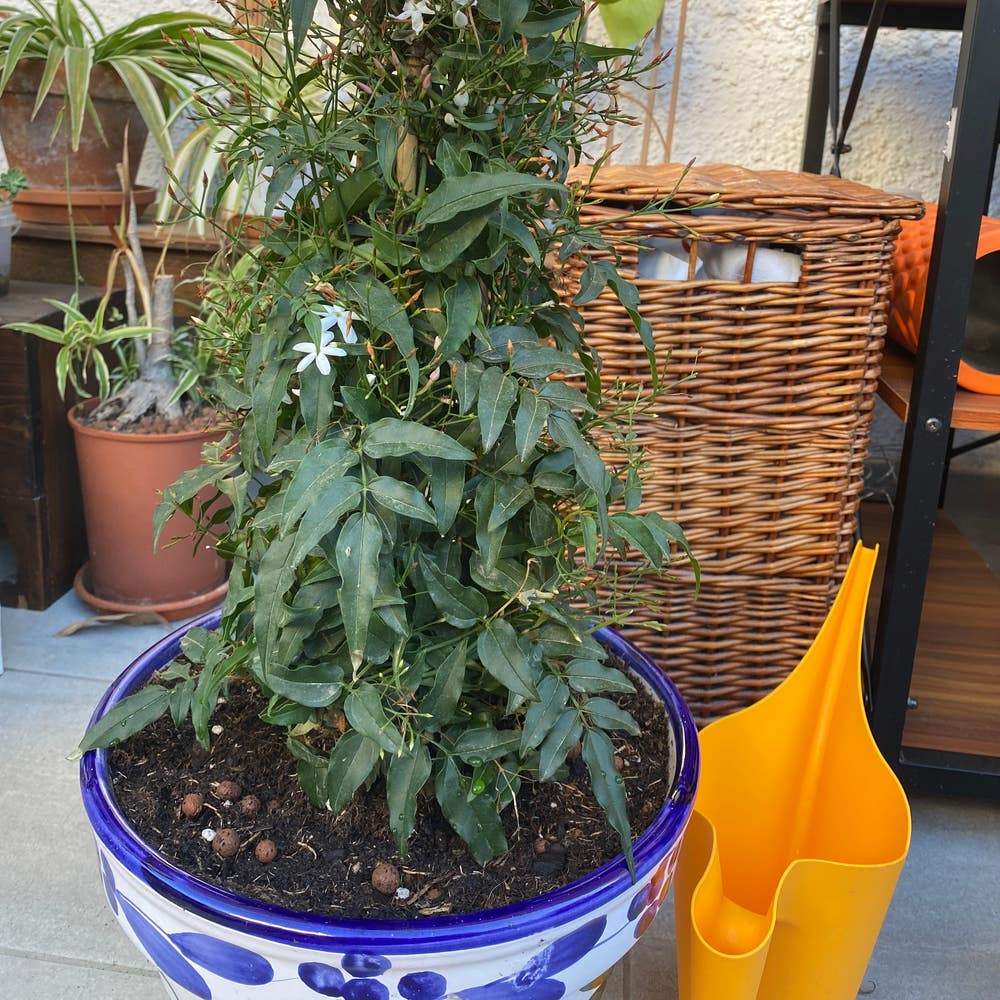
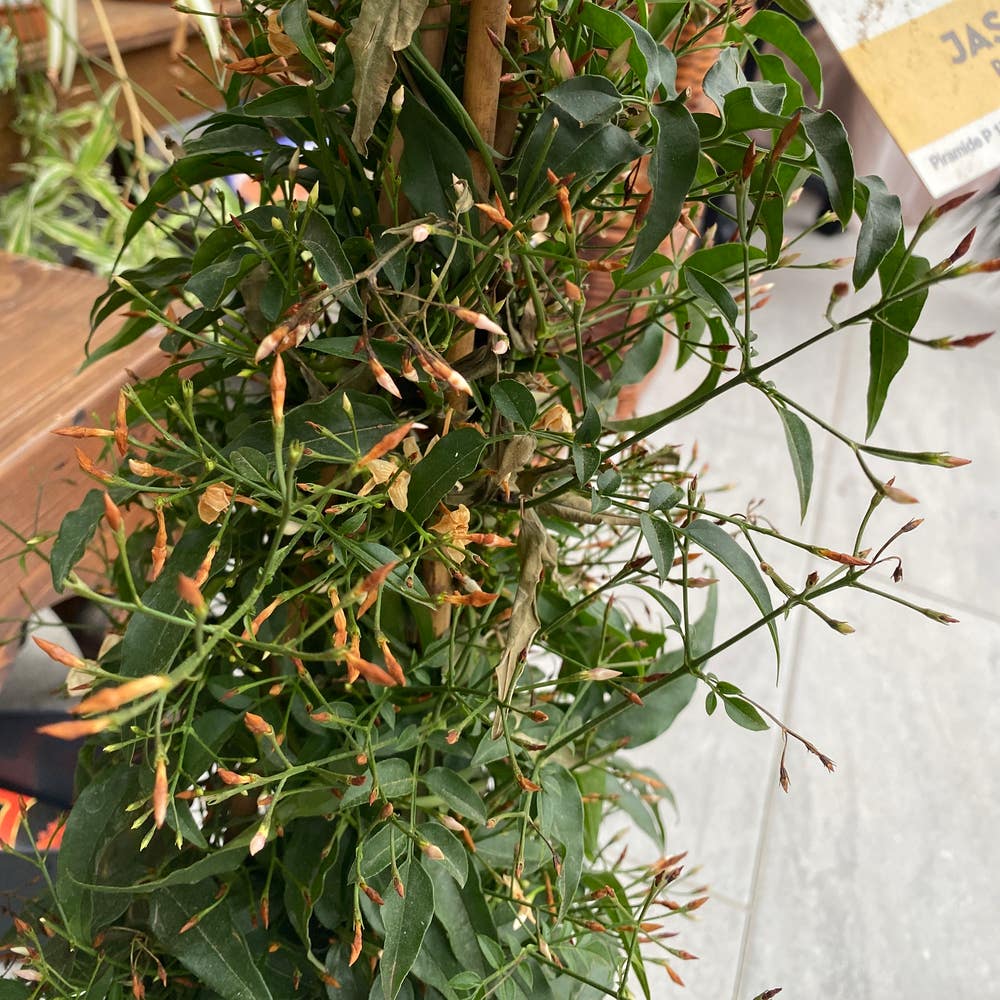
🌸 9 Quick Fixes for Pink Jasmine Bloom Problems
Jasminum polyanthum
By the Greg Editorial Team
Oct 09, 2024•3 min read
This article was created with the help of AI so we can cover more plants for you. May contain errors. See one? Report it here.
Revive your pink jasmine's blooms 🌸 with simple solutions to common flowering problems and watch it thrive!
- 🌞 Pink jasmine needs 6-8 hours of sunlight daily for optimal blooming.
- 🌱 Nutrient deficiencies like phosphorus and potassium hinder flower production.
- 🌿✂️ Prune after flowering to boost next season's blooms and avoid bud loss.
Common Bloom Problems
🌸 Failure to Bloom
Potential Causes
Light Requirements
Insufficient sunlight exposure is a primary culprit for pink jasmine failing to bloom. These plants need at least 6-8 hours of direct sunlight daily; anything less can hinder their flowering potential.
Nearby plants or structures can also cast shade, further limiting light exposure. If your jasmine is struggling, consider its surroundings.
Nutrition for Flowering
Nutrient deficiencies, particularly a lack of phosphorus and potassium, can severely affect bloom production. Poor soil quality can also lead to inadequate nutrient uptake, stunting growth and flowering.
Pruning Techniques
Incorrect pruning timing can remove flower buds, leading to disappointing blooms. Additionally, over-pruning can hinder blooming by cutting back too much foliage.
🛠️ Solutions and Remedies
- Adjust light exposure: Move your plant to a sunnier location or trim surrounding plants to enhance light access.
- Fertilize appropriately: Use a balanced fertilizer high in phosphorus during the growing season to boost bloom production.
- Prune correctly: Prune after flowering to encourage next season's blooms, ensuring you don’t cut off potential buds.
🌼 Premature Flower Drop
Causes
Environmental Stress
Temperature fluctuations can cause sudden stress, leading to flower drop. Similarly, low humidity levels can create an environment that’s too harsh for your jasmine.
Watering Issues
Overwatering can lead to root rot, which is a common reason for flower drop. Conversely, underwatering can stress the plant, causing it to shed blooms.
🛡️ Solutions and Preventive Measures
- Monitor temperature: Protect your jasmine from extreme weather conditions to maintain stability.
- Maintain humidity: Use a humidifier or mist the plant regularly to keep humidity levels optimal.
- Water appropriately: Ensure consistent moisture without waterlogging to support healthy blooms.
🌱 Abnormal Flower Development
Causes
Nutrient Deficiencies
A lack of essential nutrients can manifest as yellowing leaves or stunted growth. An imbalance in fertilization, especially over-fertilization, can lead to poor flower quality.
Pests
Infestations from pests like aphids or spider mites can severely affect blooms. These pests feed on buds, leading to malformed flowers and overall decline.
⚙️ Solutions and Corrective Actions
- Conduct soil tests: Identify nutrient deficiencies and amend the soil accordingly to restore balance.
- Implement pest control: Use insecticidal soap or neem oil to manage infestations effectively.
🐛 Pest and Disease Management
Common Pests Affecting Flowering
- Aphids: Small, green insects that cause leaf curling and bud drop.
- Spider Mites: Tiny, web-spinning pests that lead to stippled leaves and weakened plants.
Control Methods
- Regular inspections: Check for signs of infestation early to catch problems before they escalate.
- Organic treatments: Use neem oil or insecticidal soap for effective pest control without harsh chemicals.
🦠 Diseases Impacting Bloom Quality
Symptoms and Treatment Options
Root rot can cause wilting and yellowing leaves, often due to overwatering. Powdery mildew appears as white fungal growth on leaves, affecting overall plant health.
Treatment Options
- Improve drainage: Ensure well-draining soil to prevent root rot and promote healthy growth.
- Apply fungicides: Use appropriate treatments for fungal infections to restore bloom quality.
By addressing these common bloom problems, you can help your pink jasmine thrive and produce the beautiful flowers you desire. Next, let’s explore specific pest and disease management strategies to keep your plant healthy and vibrant.
⚠️ Safety First
This content is for general information and may contain errors, omissions, or outdated details. It is not medical, veterinary advice, or an endorsement of therapeutic claims.
Always consult a qualified healthcare professional before using any plant as food, medicine, or supplement.
Never eat any plant (or feed one to pets) without confirming its identity with at least two trusted sources.
If you suspect poisoning, call Poison Control (800) 222-1222, the Pet Poison Helpline (800) 213-6680, or your local emergency service immediately.
Spotted an error? Please report it here.
Keep your pink jasmine blooming beautifully 🌼 by using Greg's tailored care tips and reminders to ensure it gets the right sunlight, nutrients, and attention it needs!