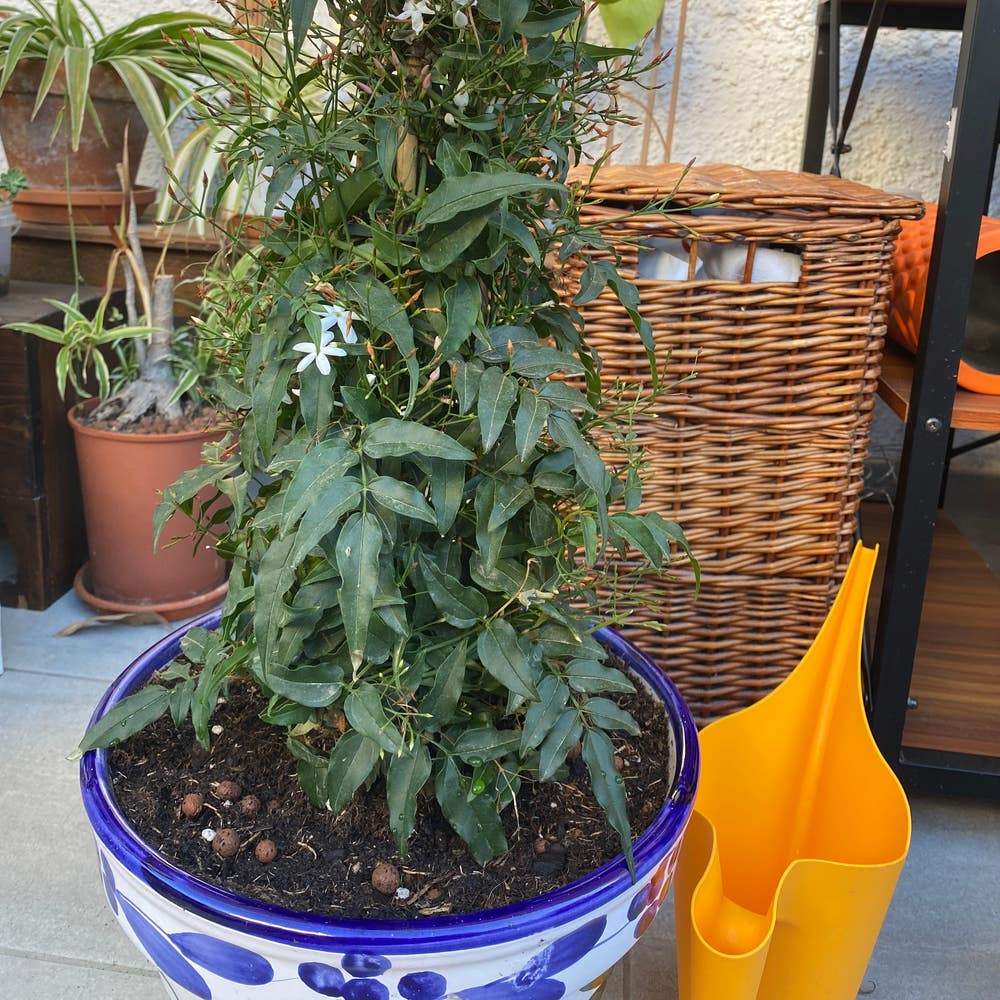
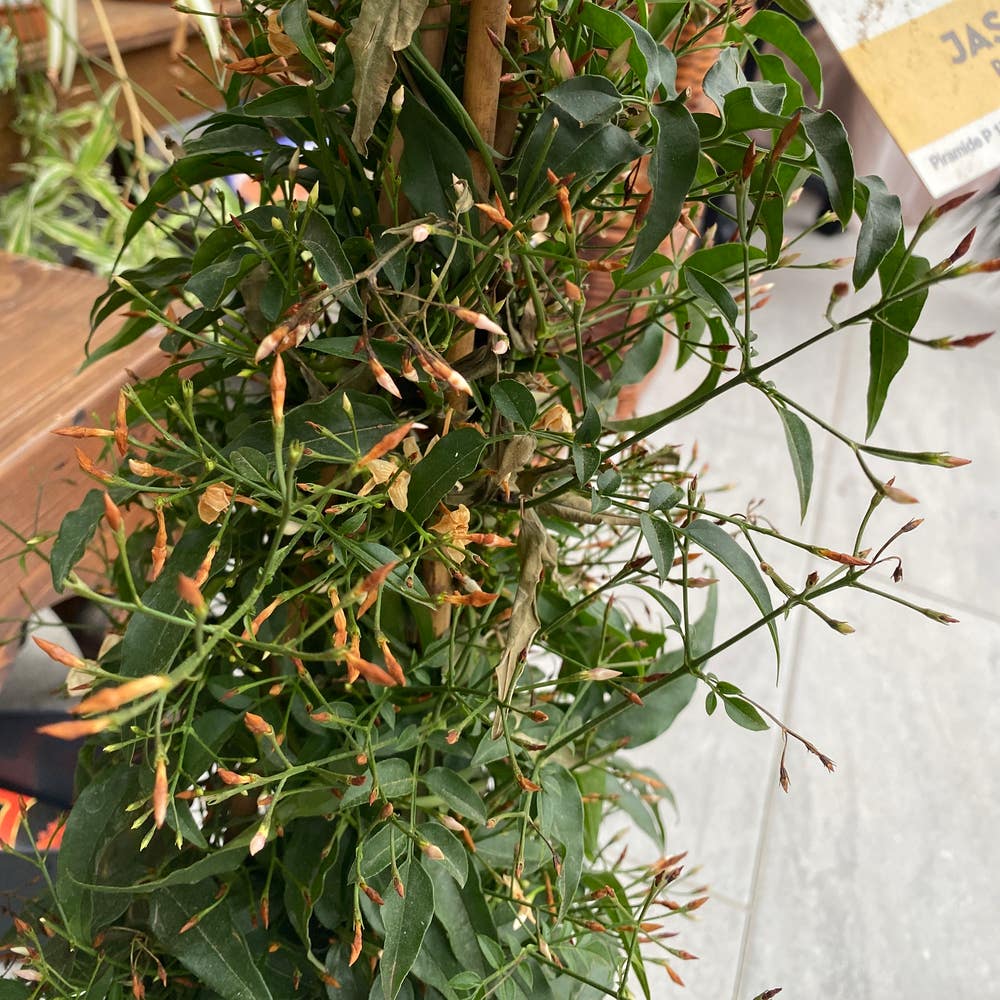
What is a Trailing Jasmine? Complete Guide 🌼
Jasminum polyanthum
By the Greg Editorial Team
Jan 23, 2025•11 min read
This article was created with the help of AI so we can cover more plants for you. May contain errors. See one? Report it here.
Elevate your garden with Trailing Jasmine's beauty and fragrance while attracting pollinators! 🌼🌱
- 🌞 Trailing Jasmine needs 6-8 hours of sunlight for optimal growth and health.
- 🌱 Well-draining, fertile soil with pH 6.0-7.0 is essential for thriving plants.
- 🐝 Attracts pollinators and enhances garden aesthetics with its fragrance and beauty.
How to Grow
Choosing a Location 🌞
To thrive, Trailing Jasmine needs full sun to partial shade, ideally soaking up 6-8 hours of sunlight daily. It flourishes in warm climates, with temperatures ranging from 20°C to 30°C (68°F to 86°F).
Soil Preparation 🌱
For optimal growth, choose well-draining, fertile soil. Aim for a slightly acidic to neutral pH, ideally between 6.0 and 7.0, and ensure good drainage to prevent root rot.
Planting Techniques 🌿
When planting outdoors, space your Trailing Jasmine 3-4 feet apart. For container planting, keep them 12-18 inches apart, and always plant at the same depth as they were in the nursery pot.
Watering Requirements 💧
Keep the soil consistently moist but avoid waterlogging. A soaker hose or drip irrigation system works best for even moisture distribution.
Fertilizing Schedule 🌼
Use a balanced NPK fertilizer, such as 10-10-10, and fertilize every 4-6 weeks during the growing season. This will help your plant flourish and produce vibrant blooms.
Pruning Methods ✂️
Prune your Trailing Jasmine in late winter or early spring, just before new growth begins. Focus on removing dead or damaged stems and shaping the plant to your liking.
Ongoing Care 🔍
Regularly monitor your plant for signs of stress or disease. Adjust your care routine based on seasonal changes, such as reducing watering during the winter months.
With these guidelines, you'll set your Trailing Jasmine up for success, ensuring it flourishes beautifully in your garden. Next, let’s explore how to propagate this lovely plant!
Propagation
🌱 Methods of Propagation
Propagation of Trailing Jasmine can be achieved through two primary methods: cuttings and layering.
- Cuttings: This method involves taking 4-6 inch cuttings from healthy stems, which is moderately challenging.
- Layering: A simpler technique where you bend a low-growing stem to the ground and cover it with soil.
📋 Step-by-Step Instructions for Each Method
Cuttings
- Prepare cuttings: Start by removing the lower leaves from the cuttings and dip the cut end in rooting hormone.
- Plant: Place the cuttings in a well-draining potting mix.
- Water and Cover: Water lightly and cover the pot with a plastic bag to maintain humidity.
Layering
- Select a Stem: Choose a flexible stem and make a small wound on the underside.
- Bury the Stem: Bury the wounded section in soil, ensuring the tip remains exposed.
- Water Regularly: Keep the soil moist until roots develop.
⏰ Timing and Conditions for Successful Propagation
The best time to propagate Trailing Jasmine is during spring or early summer.
For optimal results, ensure a warm, humid environment to encourage robust root growth. This will set the stage for healthy plants that thrive in your garden.
As you explore these propagation methods, you’ll find that nurturing new plants can be a rewarding experience. Whether you choose cuttings or layering, both methods offer a chance to expand your garden with beautiful Trailing Jasmine.
Lifecycle
🌱 Lifecycle Stages
The lifecycle of Trailing Jasmine begins with germination, where seeds sprout within 2-3 weeks under optimal conditions. Following this, the seedling stage lasts 4-6 weeks, requiring consistent moisture and light to thrive.
🌼 Vegetative Growth and Flowering
Next comes the vegetative growth phase, which is a rapid growth period lasting several months. Flowering typically begins in late spring to early summer, showcasing beautiful blooms for several weeks.
🌾 Seed Production
After flowering, the plant enters the seed production stage, where seeds mature in late summer. This cycle ensures the continuation of the species and provides opportunities for propagation.
⏳ Lifespan and Growth Rate
Trailing Jasmine typically enjoys a lifespan of 5-10 years in ideal conditions. It reaches full maturity in about 2-3 years, growing at a moderate rate of approximately 1-2 feet per year when provided with the right care.
📚 Summary
Understanding the lifecycle of Trailing Jasmine is essential for successful cultivation. By recognizing each stage, you can better support the plant's growth and ensure its health over the years.
Next, let’s explore the size of this beautiful plant and what you can expect as it matures.
Size
Mature Dimensions 🌱
Trailing Jasmine can reach impressive heights, typically growing between 6 to 10 feet when supported on a trellis. Its mature spread ranges from 3 to 5 feet wide, depending on the growing conditions and care provided.
Growth Rate and Size Variability 📈
The growth rate of Trailing Jasmine is influenced by several factors, including sunlight, water, and soil quality. Additionally, the size can vary significantly based on whether the plant is grown in a container or directly in the ground, with container plants often remaining smaller due to limited root space.
Understanding these dimensions and growth patterns can help you plan your garden layout effectively. As you cultivate your Trailing Jasmine, keep in mind that optimal conditions will lead to a more robust and vibrant plant.
With this knowledge, you can ensure your Trailing Jasmine thrives, setting the stage for the next section on its roots and their characteristics.
Roots
🌱 Root System Characteristics
Trailing Jasmine boasts a fibrous root system that excels at nutrient absorption. This shallow root structure typically spreads horizontally, making it efficient in gathering resources from the surrounding soil.
⚠️ Common Root-Related Issues
One of the most common problems is root rot, which occurs due to overwatering. Symptoms include wilting and yellowing leaves, signaling that the roots are struggling.
Another issue is becoming rootbound, which happens when the roots fill the container. Signs of this condition include stunted growth and roots that start to circle around the pot.
👀 Visual Cues for Healthy vs. Unhealthy Roots
Healthy roots are firm, white, and spread throughout the soil, indicating a thriving plant. In contrast, unhealthy roots appear dark, mushy, or may even emit a foul smell, suggesting serious problems.
Understanding these root characteristics and issues is essential for maintaining a healthy Trailing Jasmine. By keeping an eye on root health, you can ensure your plant flourishes beautifully.
Next, we will explore the benefits of Trailing Jasmine, highlighting why this plant is a fantastic addition to any garden.
Benefits
Top 5 Benefits 🌟
Aesthetic Appeal
Trailing Jasmine is a stunning addition to any garden. Its vibrant yellow flowers create a beautiful visual impact that can brighten up any outdoor space.
Fragrance
This plant is not just a feast for the eyes; it also delights the senses with its pleasant scent. The fragrance enhances outdoor areas, making them more inviting and enjoyable.
Attracts Pollinators
One of the most rewarding aspects of growing Trailing Jasmine is its ability to attract pollinators. Bees and butterflies flock to its blooms, promoting biodiversity and supporting local ecosystems.
Erosion Control
Trailing Jasmine's extensive root system plays a crucial role in stabilizing soil. This makes it an excellent choice for preventing erosion in gardens and landscapes.
Cultural Significance
In various cultures, Trailing Jasmine holds symbolic value. Its beauty and fragrance have made it a cherished plant, often associated with love and purity.
These benefits make Trailing Jasmine not just a pretty plant, but a valuable addition to any garden. As you consider adding this gem to your landscape, think about how it can enhance both the beauty and health of your outdoor space.
Next, let’s explore the best companion plants that can thrive alongside Trailing Jasmine, maximizing your garden's potential.
Companion Plants
🌱 Companion Planting Benefits
Companion planting is a fantastic way to enhance your garden's diversity. It promotes better pest management and overall plant health, creating a thriving ecosystem right in your backyard.
🌼 Compatible Plants
When choosing companion plants for Trailing Jasmine, consider these options:
Herbs
- Basil: Thrives in similar conditions and can repel pests.
- Mint: Offers a refreshing scent and helps deter unwanted insects.
- Rosemary: A hardy herb that complements the jasmine's needs.
Flowering Plants
- Marigolds: Attract beneficial insects and deter harmful pests.
- Petunias: Their vibrant blooms not only beautify your garden but also attract pollinators.
🚫 Plants to Avoid
Be cautious about planting Trailing Jasmine near heavy feeders like tomatoes. These plants compete for nutrients, potentially stunting growth and reducing overall health.
Companion planting can significantly enhance your gardening experience. By selecting the right plants, you can create a harmonious environment that supports the growth of Trailing Jasmine and its companions. Next, let’s explore the fascinating world of toxicity and safety regarding this beautiful plant.
Toxicity to Humans
Safety Overview 🌿
Trailing Jasmine is generally considered safe for humans. Major poison control centers do not classify it as toxic, which is great news for plant lovers.
However, excessive contact with the plant may cause mild skin irritation. If ingested in large quantities, it could lead to minor digestive discomfort, so it's best to enjoy this beauty with a bit of caution.
Recommendations for Caution ⚠️
Always exercise caution with any plant, including Trailing Jasmine. If you experience unusual symptoms after contact or ingestion, seek medical advice promptly.
This plant can brighten up your space without the worry of toxicity, but it's wise to stay informed and cautious. Enjoy the beauty and fragrance of Trailing Jasmine while keeping safety in mind!
Toxicity to Dogs
Safety Overview 🐶
Trailing Jasmine is considered safe for dogs, as confirmed by major pet poison control centers. While it's not toxic, excessive consumption may lead to mild gastrointestinal upset, so it's best to keep an eye on your furry friends.
Tips for Introducing to Homes with Dogs 🏡
To ensure a harmonious home, place Trailing Jasmine out of reach of your dogs. Additionally, monitor their behavior around the plant to catch any unusual interest early on.
By taking these simple precautions, you can enjoy the beauty of Trailing Jasmine without worry. Now, let’s explore how this plant interacts with our feline friends!
Toxicity to Cats
Safety Overview 🐱
Trailing Jasmine is not toxic to cats, as confirmed by major pet poison control centers. However, excessive consumption may lead to mild gastrointestinal upset, so it's best to keep an eye on your furry friends.
Tips for Introducing to Homes with Cats 🏡
To ensure safety, position your Trailing Jasmine where cats cannot easily access it. Additionally, monitor their behavior around the plant to catch any unusual interactions early on.
By taking these simple precautions, you can enjoy the beauty of Trailing Jasmine while keeping your feline companions safe and sound.
Problems
Common Problems Faced 🌱
Trailing Jasmine can encounter several issues that affect its health and growth.
- Incorrect watering: Overwatering can lead to root rot, while underwatering results in wilting.
- Incorrect light conditions: Insufficient light can cause leggy growth, making the plant look sparse.
- Diseases: Fungal problems like powdery mildew and black rot can compromise plant health.
- Root problems: Root rot and rootbound conditions can stunt growth and lead to decline.
- Leaf issues: Yellowing leaves and scorching may occur due to environmental stress.
Identification and Causes 🔍
Recognizing symptoms early is key to maintaining a healthy plant.
- Wilting, yellowing, or stunted growth are common signs of distress.
- These issues often stem from poor watering practices, inadequate light, or pest infestations.
Simple Steps to Resolve Issues 🛠️
Addressing these problems can be straightforward with a few adjustments.
- Adjust your watering schedule: Aim for consistent moisture without waterlogging the soil.
- Improve light exposure: If your plant is leggy, consider moving it to a brighter location.
- Treat diseases promptly: Use appropriate fungicides or cultural practices to manage any fungal issues.
By staying vigilant and proactive, you can ensure your Trailing Jasmine thrives beautifully. Next, let’s explore the pests that might pose a threat to your plant’s health.
Bugs
Potential Pest Issues 🐜
Trailing Jasmine is moderately resistant to pests, but it can still fall victim to a few common nuisances. Keeping an eye out for these pests can help maintain the health of your plant.
Common Pests 🐞
- Spider Mites: Look for fine webbing on leaves; they can cause stippled damage.
- Scale Insects: Small, hard bumps on stems indicate their presence and can weaken the plant.
- Mealybugs: These pests appear as cotton-like masses on leaves and can lead to leaf drop and stunted growth.
- Aphids: Small green or black insects that curl leaves and suck sap from the plant.
- Whiteflies: Tiny white insects found on the undersides of leaves, causing yellowing and stress.
Effective Treatment Options 💊
To combat these pests, consider using insecticidal soap or neem oil, both effective for pest control.
Additionally, introducing beneficial insects like ladybugs can provide natural pest management, helping to keep your Trailing Jasmine thriving.
Stay vigilant and proactive to ensure your plant remains healthy and beautiful!
What Eats
🦌 Common Animals That May Damage
Trailing Jasmine can attract a variety of animals that may cause damage.
- Deer: Look for signs like chewed leaves and broken stems.
- Rabbits: They often leave behind cleanly cut stems and missing foliage.
- Squirrels: These critters may dig around the base or nibble on the flowers.
- Birds: Watch for peck marks on flowers and young shoots.
- Rodents: Signs include gnaw marks and burrowing near the roots.
🔍 Signs of Animal Presence and Damage
Identifying animal damage is crucial for maintaining your Trailing Jasmine.
Common indicators include:
- Chewed leaves
- Broken stems
- Disturbed soil
🚫 Methods for Deterring or Managing Animals
Protecting your plants from these hungry visitors can be done through various methods.
- Chemical deterrents: Consider using commercial repellents or homemade solutions to keep animals at bay.
- Organic control methods: Fencing, netting, or planting deterrent plants nearby can also be effective strategies.
By being proactive, you can enjoy the beauty of your Trailing Jasmine without the worry of unwanted nibblers.
⚠️ Safety First
This content is for general information and may contain errors, omissions, or outdated details. It is not medical, veterinary advice, or an endorsement of therapeutic claims.
Always consult a qualified healthcare professional before using any plant as food, medicine, or supplement.
Never eat any plant (or feed one to pets) without confirming its identity with at least two trusted sources.
If you suspect poisoning, call Poison Control (800) 222-1222, the Pet Poison Helpline (800) 213-6680, or your local emergency service immediately.
Spotted an error? Please report it here.
Transform your garden with thriving Trailing Jasmine 🌼 by using Greg's custom reminders for watering and fertilizing to keep your plant healthy and flourishing!