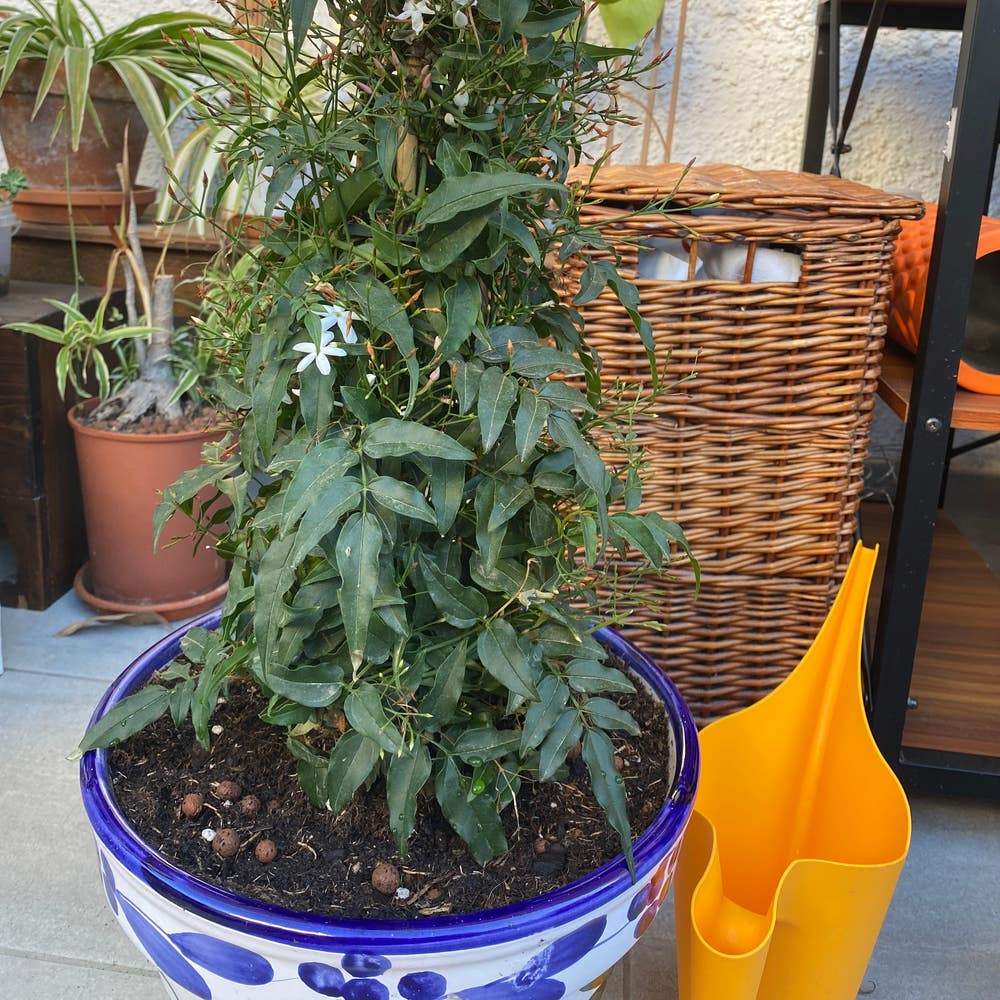
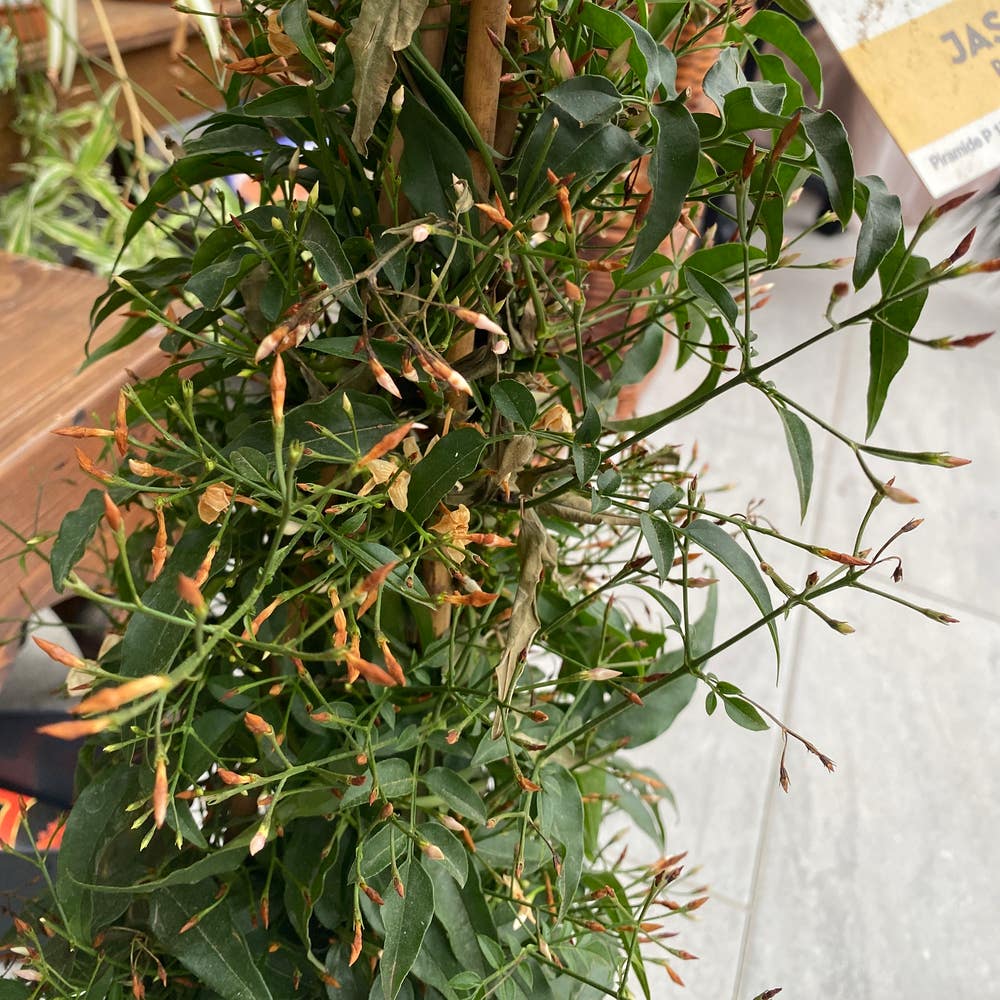
🐛 What To Do About Bugs on My Pink Jasmine?
Jasminum polyanthum
By the Greg Editorial Team
Jun 18, 2024•3 min read
This article was created with the help of AI so we can cover more plants for you. May contain errors. See one? Report it here.
Protect your Pink Jasmine's beauty 🌸 from pesky bugs with expert pest-fighting tips!
- Identify pests early: Webbing for mites, bumps for scale, fluff for mealybugs.
- Prevent with environment: Balance humidity, airflow, and plant hygiene.
- Act fast on infestations: Isolate, use insecticides responsibly, or seek professional help.
Spot the Invaders: Identifying Common Pests
🕷️ Spider Mites
Webbing on leaves and speckled foliage are the hallmarks of spider mite activity. These tiny terrors can be red, greenish, or light brown and are often too small to see without magnification. To oust them, a strong water spray or introducing predatory insects like ladybugs can help. For persistent problems, organic miticides are the next line of defense.
🦟 Scale Insects
Scale insects masquerade as harmless bumps on plant stems and leaves. They're sneaky, stationary parasites that suck the life out of your Pink Jasmine. Scraping them off manually or using horticultural oil can send them packing. Be thorough; these unwanted hitchhikers are stubborn.
🦟 Fungus Gnats and Fruit Flies
Fungus gnats and fruit flies are the aerial pests of the plant world, often indicating over-moist soil. Sticky traps and reducing soil moisture are effective first strikes. For a more aggressive approach, insecticidal soaps or a sprinkle of diatomaceous earth can clear the airspace.
🐛 Mealybugs
If you spot a cotton-like fluff on your plant, you've got mealybugs. These pests are like the uninvited guests who refuse to leave. Alcohol-dipped swabs can evict them on a small scale, while neem oil or insecticidal soap sprays are better for larger infestations. Regular inspections are crucial to catch these white menaces early.

Preventative Measures: Keeping Bugs at Bay
🌿 Environmental Controls
Creating an unfavorable environment for pests is like setting up a no-fly zone in your garden. Humidity and airflow are the air traffic controllers here. Keep humidity levels balanced—not too high, not too low—and use a fan to keep the air from going stale. Pests despise a good breeze.
🧼 Cultural Practices
Think of plant hygiene as a cleanliness crusade. Sterilize your tools, use fresh pots and potting mix, and remove fallen leaves like you're tidying up after a house party. It's not just about being neat; it's about giving pests zero reasons to crash at your place.
👀 Regular Monitoring
Vigilance is your secret weapon. Regular checks on your Pink Jasmine are like having a security system—catch those bugs before they unpack. Look for early signs of infestation; it's easier to evict one or two bugs than a whole colony.

When Bugs Won't Budge: Handling Severe Infestations
🚫 Isolation
Quarantine is your first line of defense when your Pink Jasmine is under siege by pests. Just like in a zombie flick, you want to isolate the infected to protect the healthy. Move the affected plant away from its botanical buddies to halt the bug brigade in its tracks. This isn't just about space; it's about creating a no-cross zone for those tiny terrors.
💪 Intensive Treatment Options
When the going gets tough, the tough get going—with stronger insecticides. If the usual spritzes and soaps aren't cutting it, it's time to consider the heavy hitters. Think systemic insecticides, the kind that plants absorb to turn their leafy flesh into a pest poison. But remember, with such power comes the need for responsible use. Always follow the label instructions to the letter.
If chemicals make you queasy or the situation looks dire, don't play hero—call in the pros. Sometimes, you need that expert with a PhD in pest annihilation. They'll assess the damage, prescribe the potent stuff, and maybe even share some war stories.
Remember, it's not just about saving one plant; it's about protecting your green oasis. So, suit up, plant parent. It's time to show those bugs who's boss.

⚠️ Safety First
This content is for general information and may contain errors, omissions, or outdated details. It is not medical, veterinary advice, or an endorsement of therapeutic claims.
Always consult a qualified healthcare professional before using any plant as food, medicine, or supplement.
Never eat any plant (or feed one to pets) without confirming its identity with at least two trusted sources.
If you suspect poisoning, call Poison Control (800) 222-1222, the Pet Poison Helpline (800) 213-6680, or your local emergency service immediately.
Spotted an error? Please report it here.
Keep your Pink Jasmine pest-free 🌿 with Greg's timely reminders for plant care checks and moisture management, ensuring a thriving, bug-resistant environment.