💧 Why Are My Pink Jasmine Leaves Mushy?
Jasminum polyanthum
By the Greg Editorial Team
Jun 18, 2024•4 min read
This article was created with the help of AI so we can cover more plants for you. May contain errors. See one? Report it here.
Rescue your Pink Jasmine from mushy misery 🍂 with our expert recovery and prevention guide!
- Overwatering and fungi cause mushy Pink Jasmine leaves; look for yellowing and wilting.
- Stop watering, prune, repot, and apply fungicide for immediate rescue and recovery.
- Monitor, adjust watering, and ensure drainage to prevent future mushiness.
Spotting the Trouble: Signs Your Pink Jasmine is Unhappy
💧 Overwatering Symptoms
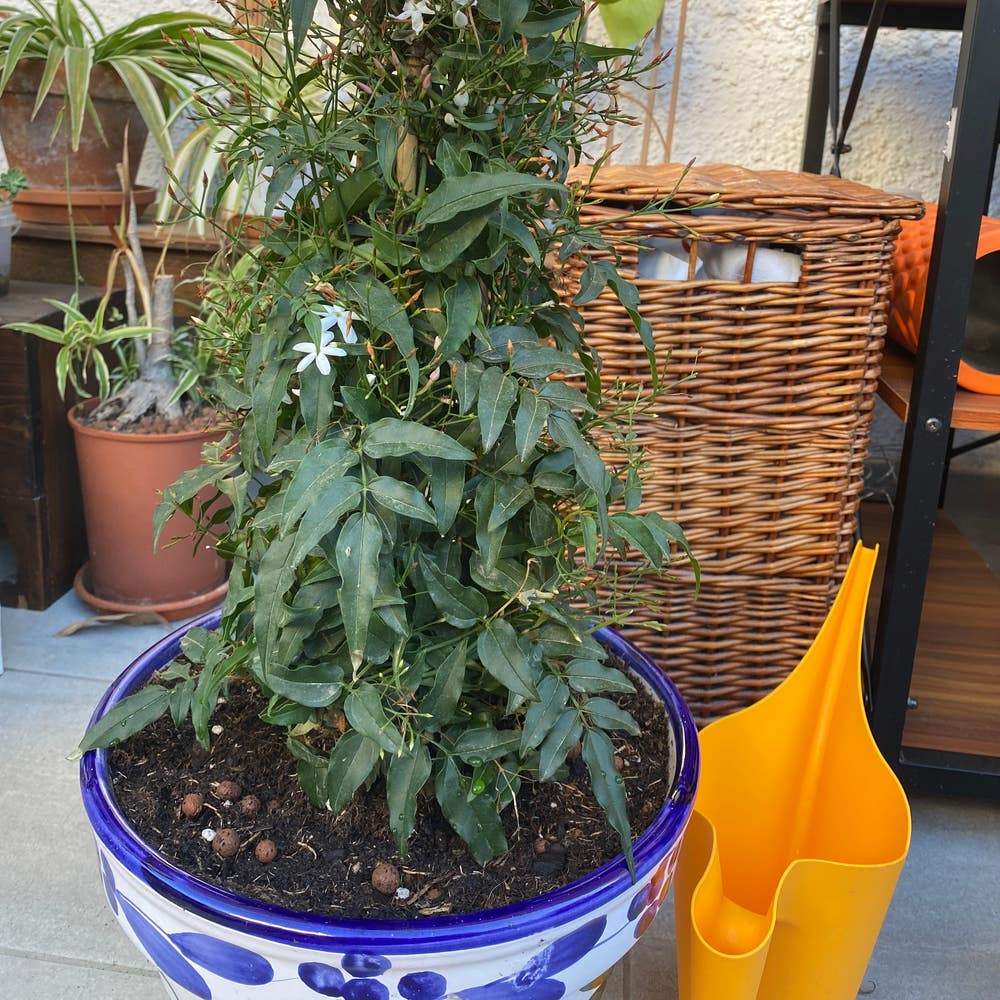
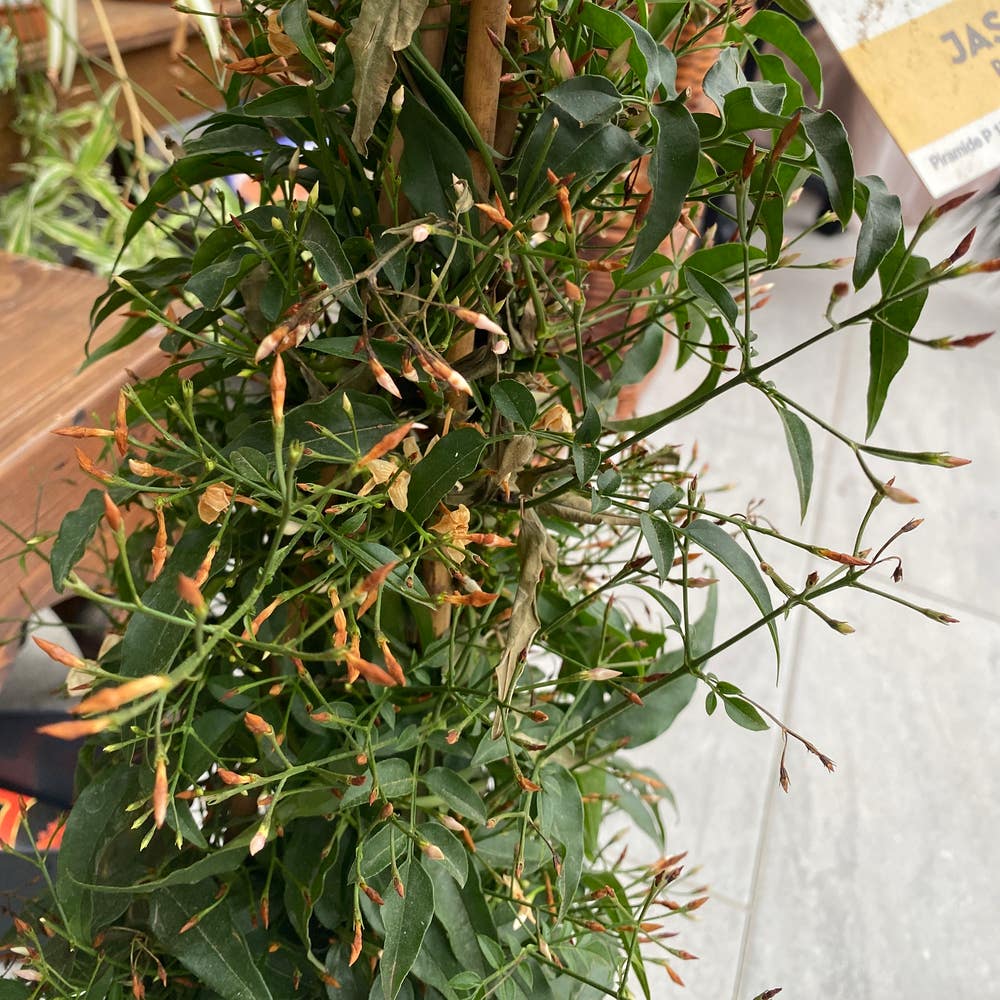
Yellowing leaves and a wilted demeanor are your Pink Jasmine's way of saying it's had too much to drink. If the stems are mushy, it's a clear distress signal. Overwatering can choke out the roots, leaving your plant looking dull and distressed.
🍄 Telltale Signs of Fungal Foes
Discoloration and unusual growths on your Pink Jasmine could point to a fungal shindig. Mold loves a wet party, so if you're heavy-handed with the watering can, you might just be the host.
🐜 Pests: Uninvited Guests Causing Grief
Keep an eye out for the usual suspects like aphids and mealybugs. These critters are notorious for turning leaves into a mushy mess. Fungus gnats buzzing around? That's a telltale sign of soil fungus thanks to excess moisture.

First Aid for Mushy Leaves
🚱 Rescuing Overwatered Pink Jasmine
Cease watering immediately to halt the progression of damage. Remove the plant from its pot to inspect the roots; healthy roots are firm and white, while rotten ones are mushy and brown. Snip off the affected roots and leaves with sterilized scissors, and repot the plant in fresh, well-draining soil.
🍄 Combating Fungal Diseases
Identify fungal issues by looking for discolored spots, wilted leaves, or a white powdery substance. Apply a fungicide suitable for Pink Jasmine, following the manufacturer's instructions meticulously. Improve air circulation around the plant and avoid wetting the foliage to prevent future outbreaks.
🐜 Evicting Pests
Inspect your Pink Jasmine for common pests such as aphids and spider mites. Use insecticidal soap or neem oil to treat infestations, ensuring thorough coverage of the plant. Regularly check for pests and treat promptly to prevent them from turning leaves into a mushy mess.

Turning Things Around: Recovery and Care
🏥 Nursing Your Plant Back to Health
After treating your Pink Jasmine for mushy leaves, vigilance is key. Monitor growth and leaf texture regularly. If leaves regain firmness and a healthy color, you're on the right track. Should any signs of distress persist, reassess your care regimen immediately.
Trim away any remaining damaged foliage to prevent the spread of disease and to redirect energy to healthy growth. Remember, pruning isn't just about aesthetics; it's a vital step in the rehabilitation process.
💧 Monitoring and Adjusting Watering Habits
Pink Jasmine has a Goldilocks complex when it comes to moisture—it craves balance. Let the soil dry out between waterings, but don't let your plant turn into a desert mirage. Stick your finger an inch into the soil; if it's dry, it's time to water. If not, give it a breather.
Seasonal changes affect watering needs. As temperatures rise or fall, so should your watering frequency. Keep an eye on the forecast; your Pink Jasmine doesn't have the luxury of checking the weather app.
Remember, recovery is a marathon, not a sprint. With consistent care and a watchful eye, your Pink Jasmine will bounce back, ready to charm with its vibrant foliage and intoxicating scent.

Keeping the Mush Away: Prevention Tactics
🚰 Ensuring Proper Drainage
Drainage holes are your Pink Jasmine's lifeline. Without them, you're basically giving your plant a one-way ticket to Soggy Town. Grab a pot with holes and pair it with a well-draining soil mix. Toss in some perlite or coarse sand to keep things airy. Mulch can be a good buddy here, moderating moisture like a pro.
🛡️ Creating an Unfriendly Environment for Fungi and Pests
Fungi and pests are like that one friend who always overstays their welcome. Keep humidity in check—too much and you're hosting a fungal fiesta. A hygrometer can be your secret weapon, letting you know when to bring in a dehumidifier or set up a pebble tray.
Water at the base of your plant to avoid giving leaves unwanted showers. Overhead watering is basically a party invite for unwanted guests. And let's talk air flow—stagnant air is about as good for your plant as it is for your last week's laundry. A gentle fan can keep the air moving without turning your plant into a windblown mess.
Regular inspections are non-negotiable. Catching those early signs of distress is like catching typos before you hit send—saves a whole lot of trouble. And remember, water wisely. Only water when the soil feels like that slightly dry sponge by your kitchen sink. Too wet and you're setting the stage for root rot's grand performance.
⚠️ Safety First
This content is for general information and may contain errors, omissions, or outdated details. It is not medical, veterinary advice, or an endorsement of therapeutic claims.
Always consult a qualified healthcare professional before using any plant as food, medicine, or supplement.
Never eat any plant (or feed one to pets) without confirming its identity with at least two trusted sources.
If you suspect poisoning, call Poison Control (800) 222-1222, the Pet Poison Helpline (800) 213-6680, or your local emergency service immediately.
Spotted an error? Please report it here.
Avoid the mushy-leaf mishap in your Pink Jasmine by letting Greg tailor your watering schedule 💧, ensuring just the right moisture balance for healthy growth.