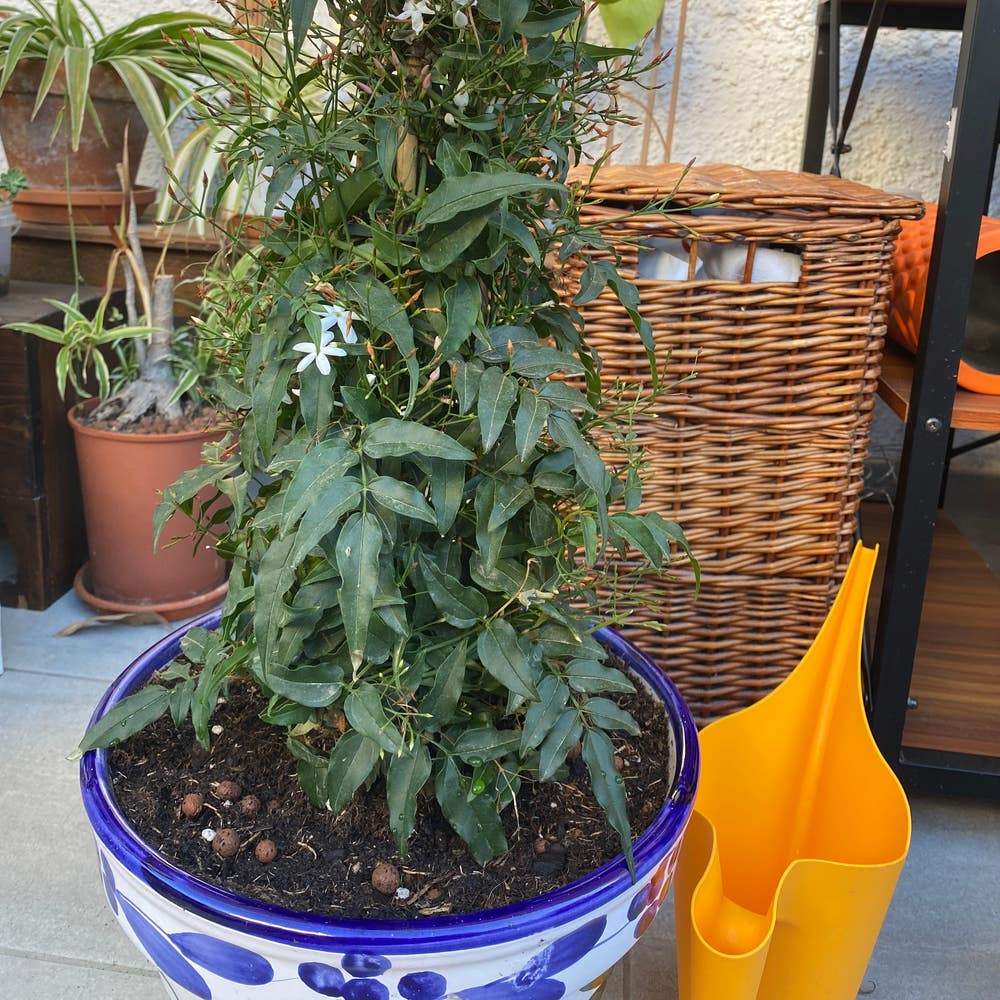
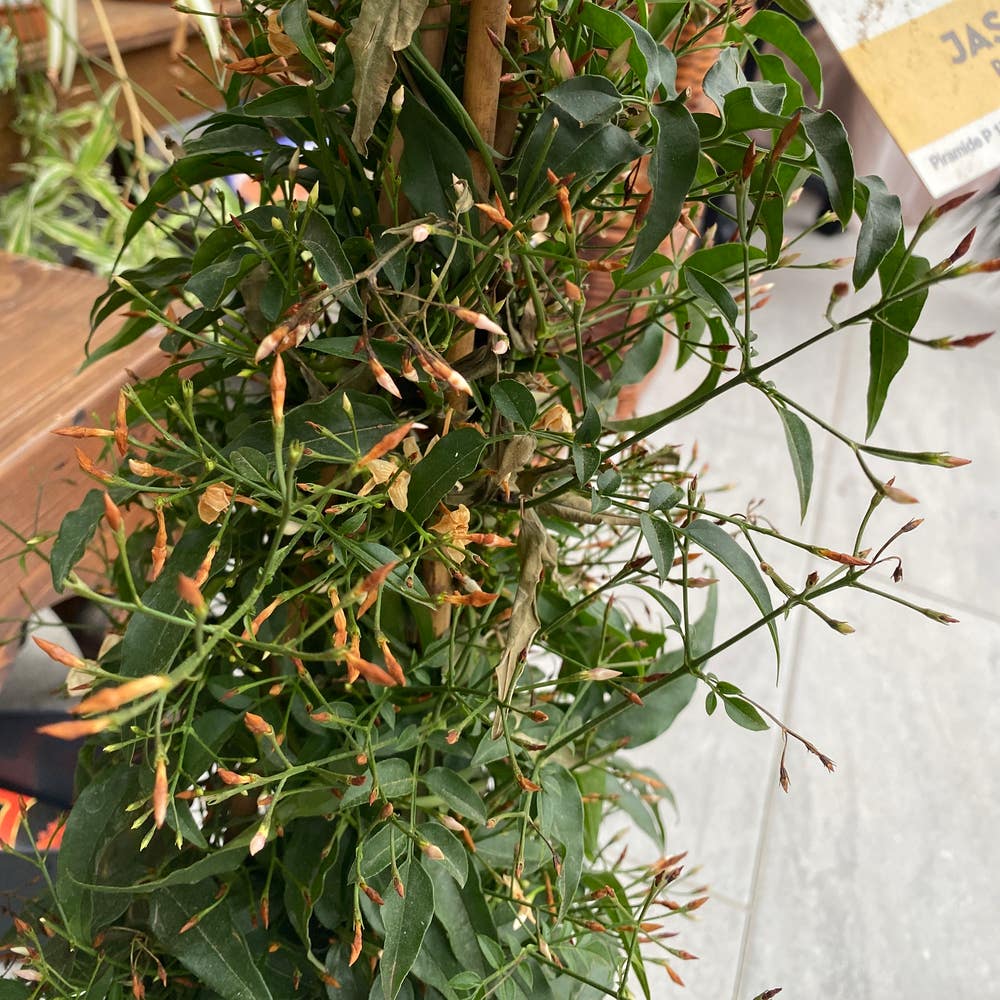
How Do I Propagate My Pink Jasmine?
Jasminum polyanthum
By the Greg Editorial Team
Jun 18, 2024•5 min read
This article was created with the help of AI so we can cover more plants for you. May contain errors. See one? Report it here.
Grow a lush Pink Jasmine oasis at home with these foolproof propagation tricks! 🌸🏡
- Choose mature shoots and cut at a 45-degree angle for best results.
- Rooting hormone boosts success; air and soil layering are effective methods.
- Ideal conditions: 68-77º F, 85% humidity, bright indirect light.
Snip & Dip: Preparing Your Pink Jasmine Cuttings
🌱 Selecting Your Champion Shoots
In the quest for propagation success, choosing the right stem is half the battle. Look for healthy, mature Pink Jasmine shoots—vibrant and firm. These will be your champions, the ones most likely to take root and flourish.
✂️ The Right Cut
Precision is key. With sterilized shears, snip your selected shoot below a leaf node—that’s where the magic happens. Aim for a 4-6 inch length, and make that cut at a 45-degree angle to maximize the area for root growth. Remember, a clean cut is a happy cut.
✨ Rooting Hormone Magic
Now, for a sprinkle of rooting hormone powder. This isn't mandatory, but it's like giving your cuttings a head start in the rooting race. Dip the stripped end of your cutting into the hormone before planting. It's a small step that can lead to big results.

Layering Love: A Gentle Approach to Multiplying Pink Jasmine
🌱 Air Layering Steps
Air layering is like giving your Pink Jasmine a high-rise apartment before it's even left its parent plant. Here's the lowdown:
- Select a healthy stem; this will be your future plant's lifeline.
- Strip away leaves around the chosen section, leaving a bare stem.
- Girdle the stem by removing a small ring of bark to expose the cambium.
- Dust with rooting hormone to encourage root growth.
- Wrap with moist sphagnum moss; it should be snug but not suffocating.
- Cover with plastic to create a mini greenhouse.
- Secure with ties; think of it as a belt for your plant's new digs.
- Wait and watch; roots should appear in a few months.
- Sever the stem below the new roots and pot up your brand spanking new Jasmine.
🌱 Soil Layering Simplified
Soil layering is more down-to-earth, literally. It's the comfort food of propagation:
- Bend a stem to the ground, making sure it's long enough to arch comfortably.
- Notch or wound the stem where it touches the soil; this is where roots will form.
- Bury the wounded section in soil, leaving the tip exposed.
- Weigh it down with a rock or a pin; think of it as an anchor.
- Keep the soil moist; treat it like a thirst-quenching drink for your plant.
- Patience is key; roots can take a couple of months to develop.
- Once rooted, cut the stem from the mother plant and voilà, a new Jasmine is born.
Remember, consistency is king. Keep an eye on moisture levels and wait for the magic to happen.

Creating the Perfect Propagation Pad
💡 Light, Temperature, and Humidity
To coax Pink Jasmine cuttings into a rooting revelry, they need the right ambiance. Bright, indirect light is the sweet spot—like a spotlight that warms without the burn. Too much direct sunlight, and you'll have crispy critters instead of thriving plants.
Temperature-wise, think of a balmy spring day—aim for a cozy 68-77º F. It's the comfort zone where roots can stretch out without getting the chills or breaking a sweat.
Humidity is the silent partner in this dance, and it's all about balance. Aiming for a relative humidity of 85% or higher sets the stage for success, but don't let it rain on your parade—keep it below rainforest levels to avoid mold gatecrashing the party.
🚰 Water Wisely
When it comes to moisture, Pink Jasmine cuttings prefer their soil like a well-wrung sponge—damp, not drenched. Overwatering is the root of all evil, leading to a soggy demise. Use the finger-test method to ensure the medium is just moist enough before adding more water.
Remember, cuttings are like Goldilocks—they want everything just right. Keep an eye on them, and adjust your care routine like a DJ tweaks a track, ensuring the vibe stays lively but not over the top.

The Waiting Game: Tracking Your Pink Jasmine's Progress
🌱 Rooting Rhythms
Patience is the name of the game when it comes to rooting Pink Jasmine cuttings. Typically, it's a several-week wait before the first signs of root development appear. During this period, it's crucial to strike a balance with your plant's environment—not too wet, not too dry, and ensure there's plenty of indirect sunlight to coax those roots out.
Spotting Success
When you're on root watch, the first white roots are like a high-five from Mother Nature. If you've opted for a transparent container, you'll have a front-row seat to the rooting show. But don't just look for roots—keep an eye out for new growth on the plant itself. New leaves are a telltale sign that your Pink Jasmine is settling into its new digs and ready to grow.
Overcoming Propagation Pitfalls
🌱 Common Propagation Problems
In the world of Pink Jasmine propagation, missteps are as common as dirt. Let's dig into the dirt and unearth solutions to keep your cuttings thriving. Overwatering is the equivalent of giving your plants a bath with their socks on – uncomfortable and unnecessary. If your Jasmine's roots are looking more brown than a well-done steak, it's time to dial back on the H2O. Yellow leaves? That's your plant's way of waving a caution flag. Check for soggy soil or unwanted pests and adjust your watering schedule accordingly.
🌿 Keeping Rot and Wilting at Bay
To prevent your Pink Jasmine from wilting like a forgotten salad, ensure your pot has a drainage hole. It's the secret escape route for excess water. When it comes to temperature, think of your cuttings as Goldilocks; they want everything just right. Airflow is your ally against fungal party crashers like gray mold. If they do crash, show them the door with a targeted fungicide strike. Remember, each problem is a chance to grow your green thumb, so embrace the challenges with the tenacity of a weed.
⚠️ Safety First
This content is for general information and may contain errors, omissions, or outdated details. It is not medical, veterinary advice, or an endorsement of therapeutic claims.
Always consult a qualified healthcare professional before using any plant as food, medicine, or supplement.
Never eat any plant (or feed one to pets) without confirming its identity with at least two trusted sources.
If you suspect poisoning, call Poison Control (800) 222-1222, the Pet Poison Helpline (800) 213-6680, or your local emergency service immediately.
Spotted an error? Please report it here.
Propagate your Pink Jasmine flawlessly 🌿 with Greg's tailored reminders for watering and root checks, ensuring your cuttings thrive from these expert tips!