Why Are There Brown Spots on My Pink Jasmine? 🟤
Jasminum polyanthum
By the Greg Editorial Team
Jun 18, 2024•5 min read
This article was created with the help of AI so we can cover more plants for you. May contain errors. See one? Report it here.
Banish brown spots 🍂 and ensure your Pink Jasmine flourishes with these essential care secrets.
- Fungal infections and overwatering cause brown spots on Pink Jasmine.
- Sunburn leads to crispy patches; adjust light exposure.
- Prevent with regular inspections, balanced moisture, and proper airflow.
Spotting the Trouble: Recognizing Brown Spots on Pink Jasmine
🕵️ Visual Cues: What Do Brown Spots Look Like?
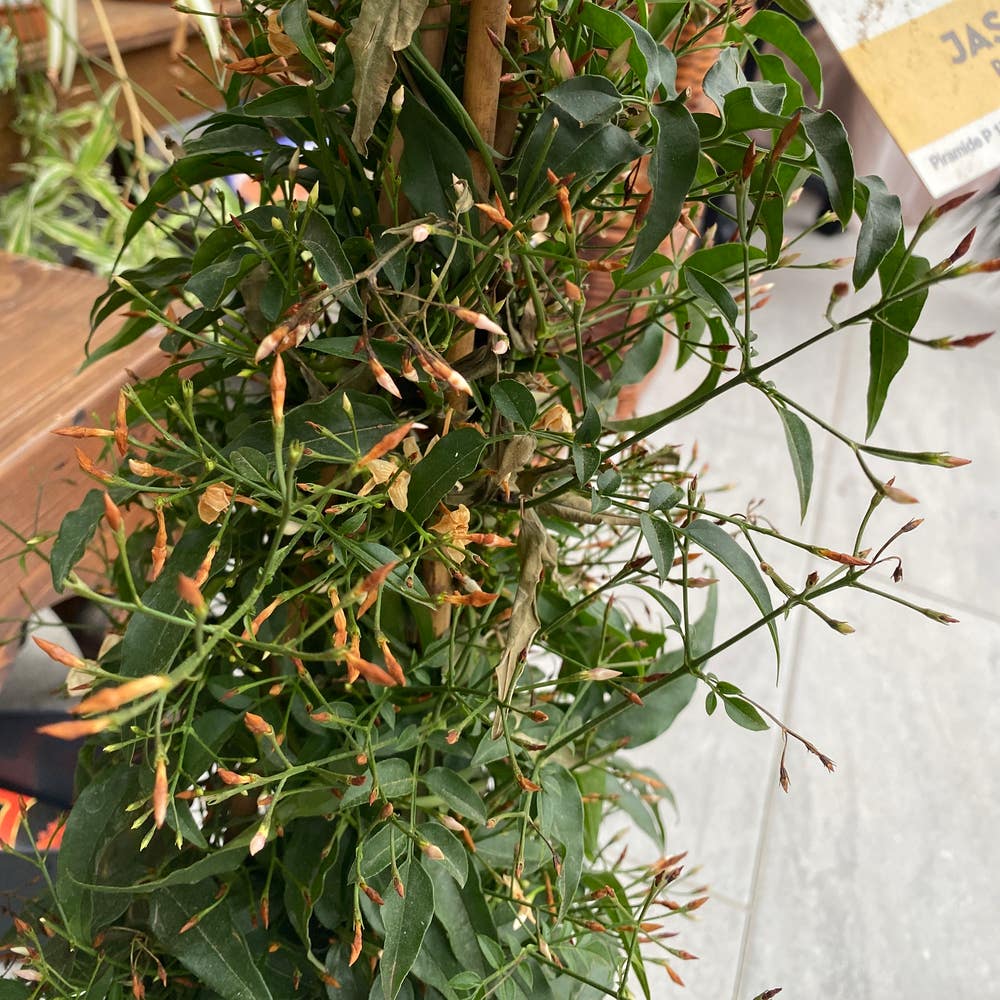
Pink Jasmine, with its delicate blooms, can sometimes fall victim to unsightly brown spots. These blemishes can vary, appearing as small, circular patches or larger, irregular splotches. Their texture might be dry and crispy or have a water-soaked look, often surrounded by a yellowish halo. It's like your plant is waving a flag, signaling distress.
Progression: How Do Brown Spots Develop and Spread?
Initially, these spots might seem like minor cosmetic flaws, but without intervention, they can spread like a bad rumor, eventually engulfing entire leaves. The progression from a few dots to a full-on outbreak can happen swiftly, especially in humid conditions. Keep an eye out for new spots on young leaves or a sudden increase in size on existing ones—it's a clear sign your Jasmine is in trouble.

The Usual Suspects: Pinpointing Causes of Brown Spots
🍄 Fungal Foes: Identifying Fungal Diseases Behind the Spots
Fungal infections are like the stealthy ninjas of the plant world, leaving a trail of brown spots in their wake. These spots often sport a colorful halo, a telltale sign of microbial mayhem. They thrive in the high humidity and still air that you might find in a bathroom with a broken fan. If your Pink Jasmine is throwing a fungal party, it's time to crash it.
💦 Thirsty Roots: The Link Between Overwatering and Brown Spots
Overwatering is the equivalent of giving your plant an all-access pass to a buffet it can't handle. The result? Brown spots with a black or brown ring around them, the plant's way of putting up a "Do Not Cross" tape to contain the infection. If your Jasmine's roots are swimming instead of sipping, it's time to dial back on the H2O.
☀️ Sun Scorch: Understanding How Too Much Sun Leads to Leaf Burn
Sunburn in plants is like a bad beach day for your leaves. Direct sunlight can lead to crispy, brown patches that scream, "I've had too much sun!" If you've just welcomed a Pink Jasmine into your home, don't throw it into the sun's embrace without a proper introduction. And remember, misting + sunlight = one unhappy plant sauna.

Nipping it in the Bud: Treating and Preventing Brown Spots
💧 Water Wisdom: Balancing Moisture to Fend Off Fungi
Overwatering is a no-go. It's the equivalent of giving your Pink Jasmine an all-access pass to Fungus Fest. To avoid this, water only when the soil feels dry beneath the surface. If you're not sure, stick a finger in; if it comes out clean, it's time to hydrate. Remember, moderation is key—too much, and you'll drown the roots; too little, and you're just teasing them.
🌥️ Shady Solutions: Adjusting Light Exposure to Prevent Sunburn
Sunlight can be a frenemy. While Pink Jasmine loves the light, too much can lead to leaf burn. If your plant's leaves are throwing shade at your sunlight management, it's time to rethink your placement strategy. Provide adequate shade during the hottest parts of the day, or consider diffusing direct sunlight with a sheer curtain.
🐜 Pest Patrol: Keeping an Eye Out for Critters That Cause Chaos
Pests are the ninjas of the plant world—silent, sneaky, and potentially deadly. Regular inspections are your best defense. Spot a bug? Show it the door with a gentle wipe using soapy water or isopropyl alcohol. And if you're dealing with a full-blown infestation, it might be time to break out the organic or chemical reinforcements—just suit up and ventilate the area before you go in guns blazing.
Remember, prevention is better than cure. Keep your Pink Jasmine's environment clean, ensure proper airflow, and avoid creating a sauna with excessive moisture. And when it comes to fertilizer, think diet, not all-you-can-eat buffet. Overfeeding can lead to nutrient imbalances, making your plant more susceptible to issues like those dreaded brown spots.

Keeping Your Jasmine Jovial: Ongoing Care Tips
👀 Routine Checks: Regular Inspections for Early Detection
Vigilance is your Pink Jasmine's best pal. Like checking your phone's notifications, make inspecting your plant a daily ritual. Look for early signs of trouble—discoloration, wilting, or pests. Catching issues early can mean the difference between a quick fix and a plant funeral.
🌿 Environmental Harmony: Creating Optimal Growing Conditions
Strive for the Goldilocks zone—conditions that are just right. Your Pink Jasmine craves bright, indirect light and consistent temperatures. Avoid the extremes: no scorching sunbaths or chilly drafts. Keep humidity around 40-50%, like a gentle morning mist, to prevent stress and pests.
💪 Vigilance and Response: When to Act on Signs of Trouble
When trouble knocks, answer swiftly. Adjust your care routine with the precision of a barista crafting the perfect espresso. Less water in winter, more shade in summer. Spot pests? Evict them with the urgency of a bouncer dealing with a troublemaker. Remember, proactive care beats reactive despair.
⚠️ Safety First
This content is for general information and may contain errors, omissions, or outdated details. It is not medical, veterinary advice, or an endorsement of therapeutic claims.
Always consult a qualified healthcare professional before using any plant as food, medicine, or supplement.
Never eat any plant (or feed one to pets) without confirming its identity with at least two trusted sources.
If you suspect poisoning, call Poison Control (800) 222-1222, the Pet Poison Helpline (800) 213-6680, or your local emergency service immediately.
Spotted an error? Please report it here.
Eradicate brown spots 🍂 on your Pink Jasmine with ease using Greg's custom alerts for watering and sun exposure, ensuring a thriving and spotless plant.