How Can You Tell If A Pink Jasmine Is Dying?
Jasminum polyanthum
By the Greg Editorial Team
Jun 18, 2024•4 min read
This article was created with the help of AI so we can cover more plants for you. May contain errors. See one? Report it here.
Spot and save a dying Pink Jasmine with this guide to vital signs and rescue tips. 🌺
- Yellow or crispy leaves? Check watering habits for over or under-watering.
- 🌡️ Stable temperatures (60-75°F) help prevent Pink Jasmine stress.
- Pests and fungus? Inspect regularly and treat promptly to save your plant.
Spotting Trouble: What Your Pink Jasmine is Telling You
🍂 Leaves Losing Their Luster
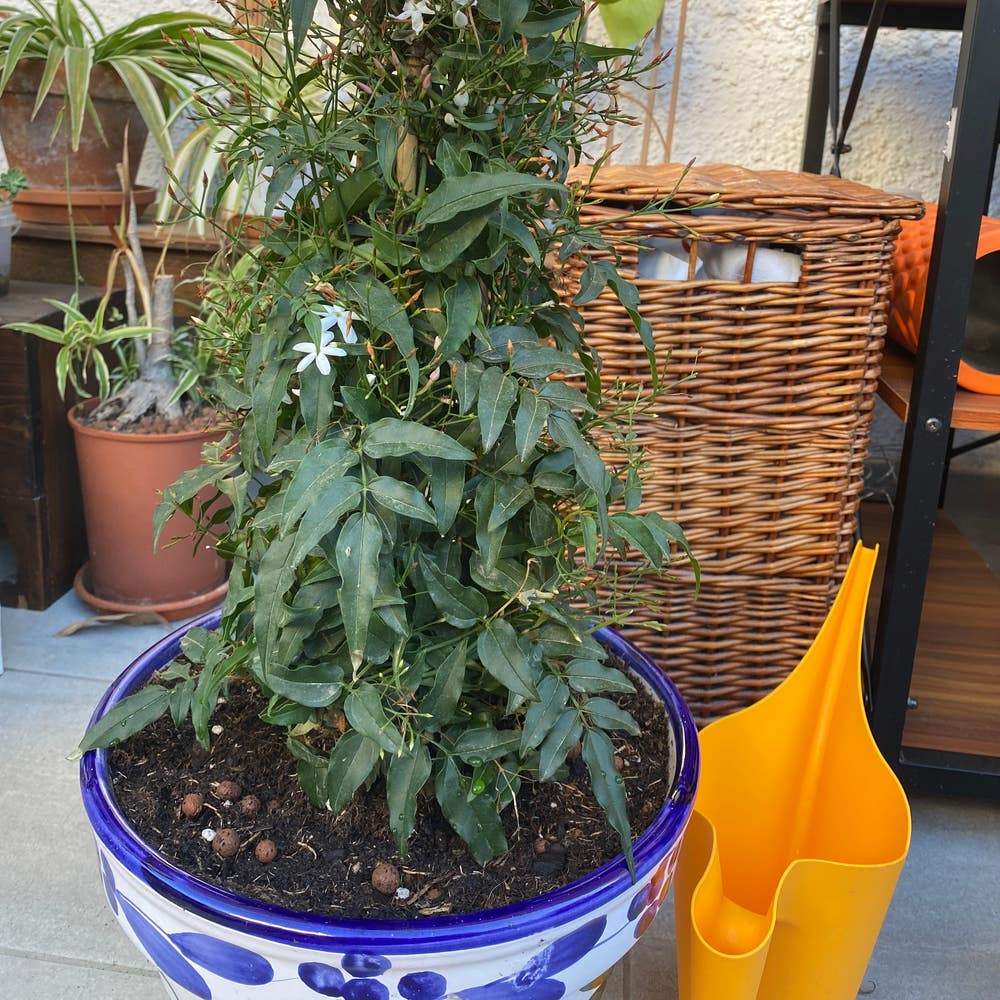
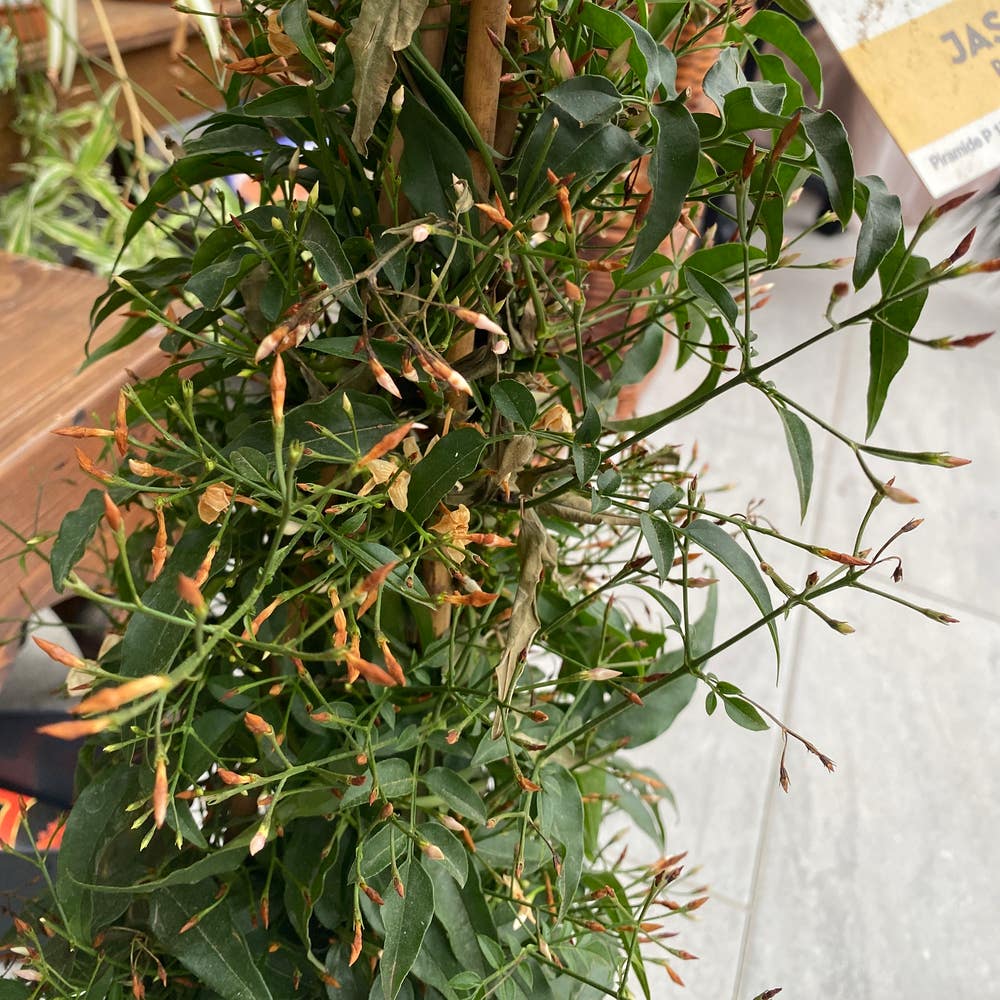
Yellow leaves often wave the flag of over-watering. If your Pink Jasmine's leaves are more mellow yellow than vibrant green, it's time to reevaluate your watering habits. Ensure the soil is well-draining and cut back on the H2O.
Dull or crispy leaves might scream underwatering. Touch the soil; if it's as dry as a stand-up comedian's wit, it's time to quench your plant's thirst. But remember, soggy is just as bad as parched.
😓 Droopiness Drama
When leaves droop, they're not just being dramatic; they're communicating. Too much water, and your Pink Jasmine's leaves will hang down like a teenager slouched in a chair. Too little, and they'll droop like they're too tired to stand up straight. Check the soil before you act.
Temperature swings can also cause your plant to throw a fit. If your home's temperature fluctuates more than your mood before coffee, consider finding a more stable spot for your plant.
🐜 Pests: Uninvited Guests
Spider mites and other pests are like uninvited guests at a party—they show up unannounced and wreak havoc. Look for webbing or yellowing leaves that might indicate these tiny crashers. Treat with insecticidal soap or neem oil to show them the door.
Fungal issues like powdery mildew or brown spots can also pop up if you're overdoing the hydration. Good air circulation and affected leaf removal are your first line of defense. If your plant's leaves are losing their luster, it's time to play plant detective.

The Rescue Mission: Turning Things Around for Your Pink Jasmine
💧 Water Woes: Finding the Balance
In the quest to revive your Pink Jasmine, water is your magic elixir—but only when dosed correctly. Overzealous watering leads to soggy despair, while neglect turns your plant into a parched relic. Here's how to strike the perfect moisture balance:
- Check the soil before watering—only proceed if the top inch feels dry.
- Adjust your watering schedule with the seasons: less in winter, more in summer.
- Observe the leaves. If they perk up after watering, you're on the right track.
🌡️ Temperature Tantrums: Keeping Cool and Carried Away
Pink Jasmine is no fan of the dramatics of temperature swings. To keep your plant from throwing a fit:
- Maintain a steady temperature, ideally between 60-75°F (15-24°C).
- Shield your Jasmine from drafts and direct blasts from heating or cooling vents.
- Mist the leaves if your home turns into a desert during winter heating.
🐜 Pest Control: Evicting the Intruders
Pests are the party crashers of the plant world, and Pink Jasmine is on their VIP list. To show these freeloaders the door:
- Inspect regularly for signs of pests, such as sticky residue or discolored leaves.
- Isolate the affected plant to prevent a full-blown infestation.
- Treat with neem oil or insecticidal soap, ensuring thorough coverage.
Remember, vigilance is key. Regular checks and prompt action can save your Pink Jasmine from a pest-induced downfall.

Special Cases: When Pink Jasmine Faces Unique Challenges
🔥 Scorched Leaves: Too Much Sun, Too Little Love
Leaf scorch in Pink Jasmine is akin to a plant sunburn. Signs include dull, white-patched leaves or, in severe cases, brown, crispy areas. These damaged leaves won't revert to green. To prevent further damage, relocate your Pink Jasmine to a spot with bright, indirect sunlight.
🍄 Fungus Among Us: Mold and Mildew
Mold and mildew are the party crashers of the plant world. Discoloration or powdery spots on your Pink Jasmine's leaves are the red flags. Excess moisture is often the party host for these fungi. Adjust your watering habits to be less generous and improve air circulation around your plant.
🕵️ Root Rot: The Silent Killer
Root rot is stealthy, often going unnoticed until it's too late. Yellowing leaves and a mushy, blackened stem are distress signals. If you suspect root rot, it's surgery time: remove the plant, cut away the rotted roots, and repot in sterile soil with a clean pot. Going forward, water sparingly and ensure proper drainage to prevent a relapse.

⚠️ Safety First
This content is for general information and may contain errors, omissions, or outdated details. It is not medical, veterinary advice, or an endorsement of therapeutic claims.
Always consult a qualified healthcare professional before using any plant as food, medicine, or supplement.
Never eat any plant (or feed one to pets) without confirming its identity with at least two trusted sources.
If you suspect poisoning, call Poison Control (800) 222-1222, the Pet Poison Helpline (800) 213-6680, or your local emergency service immediately.
Spotted an error? Please report it here.
Detect and defeat 🛠 Pink Jasmine woes with Greg's custom care plans, ensuring your blooms bounce back beautifully without the guesswork.