🚫 How to Get Rid of Pink Jasmine
Jasminum polyanthum
By the Greg Editorial Team
Oct 09, 2024•6 min read
This article was created with the help of AI so we can cover more plants for you. May contain errors. See one? Report it here.
Safeguard your garden and local ecosystems by tackling invasive Pink Jasmine effectively! 🌱
- 🌱 Pink Jasmine is invasive, rapidly dominating gardens and outcompeting native plants.
- 🔍 Identify it by glossy leaves and fragrant pink flowers to manage effectively.
- 🛠️ Control methods include manual removal, herbicides, and biological solutions for sustainability.
Plant Classification
Criteria for Classifying as Invasive 🌱
Pink Jasmine is notorious for its rapid spread. This plant can quickly cover large areas, making it a formidable presence in gardens and natural landscapes alike.
Its competitive nature allows it to outcompete native plants for essential resources like sunlight, water, and nutrients. This aggressive growth can lead to significant challenges for local flora.
Moreover, Pink Jasmine has a profound ecological impact. It alters habitat structures, displacing native species and disrupting the delicate balance of local ecosystems.
Understanding these criteria is crucial for anyone looking to manage or remove this invasive species effectively. By recognizing its characteristics, you can take proactive steps to protect your garden and the surrounding environment.
Identification
Key Identifying Features 🌸
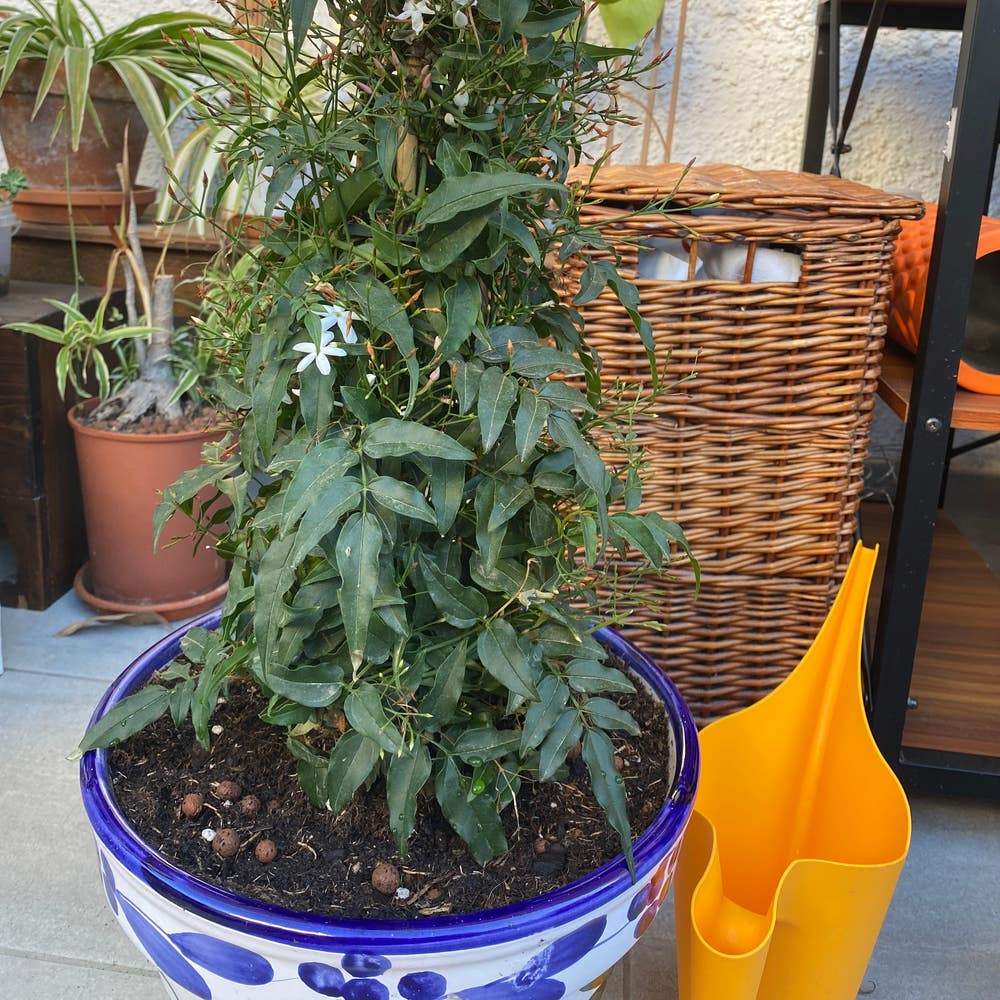
Pink Jasmine is a vigorous climbing vine, capable of reaching lengths up to 20 feet. Its rapid growth can quickly dominate spaces, making identification crucial.
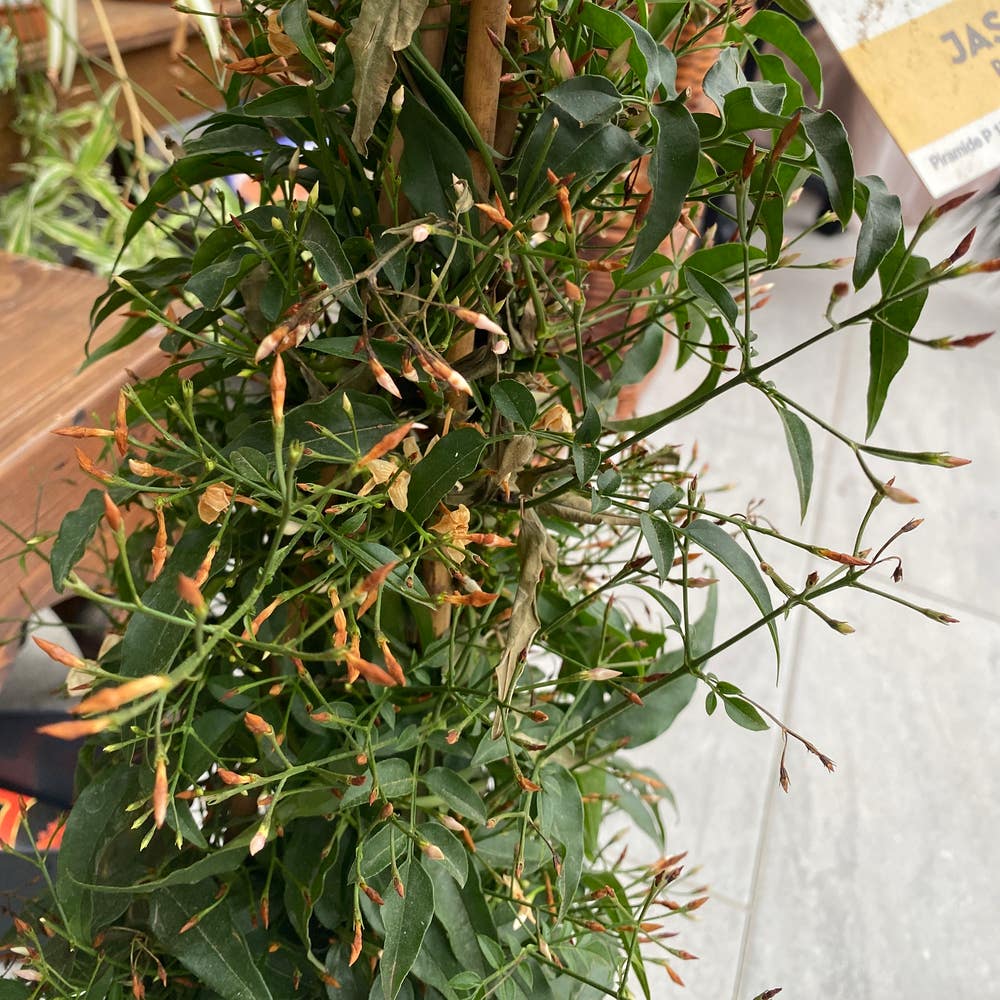
The leaves are opposite and pinnate, typically featuring 5 to 9 glossy green leaflets. This distinctive foliage is a key characteristic to look for.
During spring and summer, Pink Jasmine showcases fragrant pink flowers that bloom in clusters. These blooms not only attract attention but also signal the plant's presence.
The fruit consists of small, round berries that contain seeds. These berries contribute to the plant's ability to spread rapidly.
Look-Alike Plants 👀
When identifying Pink Jasmine, it's essential to distinguish it from other jasmine species. Common Jasmine and Star Jasmine are often confused with it.
Key differences include flower color, leaf shape, and growth patterns. For instance, Common Jasmine has white flowers, while Star Jasmine features star-shaped blooms, making them easier to differentiate.
Understanding these distinctions can help prevent misidentification, which is vital for effective management.
With these identifying features in mind, you can better recognize Pink Jasmine in your surroundings. This knowledge is the first step in addressing its invasive nature.
Growth Habits and Spread
🌱 Typical Growth Patterns
Pink Jasmine is notorious for its rapid growth. Under optimal conditions, it can stretch several feet in just one season.
Its adaptability is equally impressive. This invasive vine thrives in various soil types, even in less-than-ideal conditions.
🌼 Reproductive Strategies
Pink Jasmine employs two main reproductive strategies. First, it produces seeds that birds and water can easily disperse.
Second, it can root from stem cuttings, allowing for quick colonization. This dual approach makes it particularly challenging to control.
Understanding these growth habits and reproductive strategies is crucial for effective management. By recognizing how Pink Jasmine spreads, you can take proactive steps to mitigate its impact.
Ecological Impact
Effects on Native Communities 🌱
Pink Jasmine is notorious for displacing native species. Its aggressive growth outcompetes local flora, leading to a significant reduction in biodiversity.
This invasive plant alters habitat structures, changing the availability of light and nutrients for other plants. As it spreads, it can create a monoculture, leaving little room for native species to thrive.
Impact on Wildlife and Ecosystems 🦋
The disruption of food sources is another critical concern. Pink Jasmine alters habitats that support native wildlife, making it harder for them to find food and shelter.
Additionally, it changes soil composition and health, affecting nutrient cycling and soil structure. This can lead to long-term ecological consequences that ripple through the ecosystem.
Understanding these impacts is essential for effective management and control of Pink Jasmine. By recognizing its ecological footprint, we can take steps to mitigate its spread and protect our native environments.
Control and Management
👐 Manual Removal Techniques
Manual removal is a straightforward yet effective way to tackle Pink Jasmine.
- Hand-pulling: Ensure you remove the entire root system to prevent regrowth.
- Cutting: Regularly cut back to ground level to weaken the plant and reduce its vigor.
🧪 Chemical Control Options
For those who prefer chemical methods, herbicides can be a powerful ally.
- Herbicides: Use systemic herbicides specifically designed to target woody plants.
- Application timing: Apply during active growth periods for maximum effectiveness.
🦠 Biological Control Methods
Exploring biological control methods can provide sustainable solutions.
- Introduction of natural predators: Research potential insects or pathogens that specifically target Pink Jasmine to help manage its spread.
🚫 Preventive Measures
Prevention is key in managing invasive species like Pink Jasmine.
- Regular monitoring: Keep an eye out for new growth; early detection can prevent establishment.
- Plant selection: Avoid planting Pink Jasmine in your gardens or landscapes to reduce the risk of infestation.
⏰ Importance of Early Detection
Acting quickly can make a significant difference.
- Quick action can prevent widespread infestation and ultimately reduce management costs.
By employing these control and management strategies, you can effectively combat Pink Jasmine and protect your local ecosystem. Next, let’s delve into the legal status surrounding this invasive species.
Legal Status
📜 Laws and Regulations
Understanding the legal landscape surrounding Pink Jasmine is crucial for responsible management. Local regulations often dictate the cultivation and sale of invasive species, so it’s essential to check your area’s specific laws.
Some regions may even require you to report sightings of invasive plants. This helps authorities track and manage their spread effectively.
🛠️ Requirements for Removal
If you own land, knowing the best practices for managing invasive plants is vital. Guidelines typically recommend thorough removal methods, ensuring that you tackle the entire root system to prevent regrowth.
Regular maintenance and monitoring are also key. Staying vigilant can help you catch new growth before it becomes a larger issue.
By being proactive, you contribute to the health of local ecosystems and help preserve native flora. This not only benefits the environment but also enhances the beauty of your landscape.
As we delve deeper into the potential benefits of Pink Jasmine, it’s important to balance its ornamental appeal with the pressing need for ecological responsibility.
Potential Benefits
Historical or Current Uses 🌸
Pink Jasmine is often celebrated for its fragrant flowers, making it a popular choice in gardens. Its sweet scent can transform outdoor spaces, adding a touch of elegance and charm.
In some cultures, Pink Jasmine holds significant traditional value. It’s used in various practices, from religious ceremonies to decorative purposes, showcasing its versatility beyond mere aesthetics.
Emphasis on Negative Impacts ⚠️
However, it’s essential to recognize the darker side of Pink Jasmine. While it may beautify gardens, its invasive nature poses serious ecological threats.
The rapid spread of Pink Jasmine disrupts local ecosystems, outcompeting native plants and diminishing biodiversity. This duality highlights the need for careful consideration when choosing plants for landscaping.
In summary, while Pink Jasmine has its merits, the ecological and economic consequences of its invasiveness are substantial. Awareness and proactive management are crucial to mitigate its impact on native flora and fauna.
As we delve deeper into understanding this plant, it’s vital to balance appreciation with responsibility.
⚠️ Safety First
This content is for general information and may contain errors, omissions, or outdated details. It is not medical, veterinary advice, or an endorsement of therapeutic claims.
Always consult a qualified healthcare professional before using any plant as food, medicine, or supplement.
Never eat any plant (or feed one to pets) without confirming its identity with at least two trusted sources.
If you suspect poisoning, call Poison Control (800) 222-1222, the Pet Poison Helpline (800) 213-6680, or your local emergency service immediately.
Spotted an error? Please report it here.
Take charge of your garden's health by managing Pink Jasmine effectively, and let Greg guide you with tailored tips to keep your landscape thriving and free from invasives! 🌿 Protect your plants with Greg's expert advice!