🌸 Pink Jasmine Is Not an Annual
Jasminum polyanthum
By the Greg Editorial Team
Oct 09, 2024•3 min read
This article was created with the help of AI so we can cover more plants for you. May contain errors. See one? Report it here.
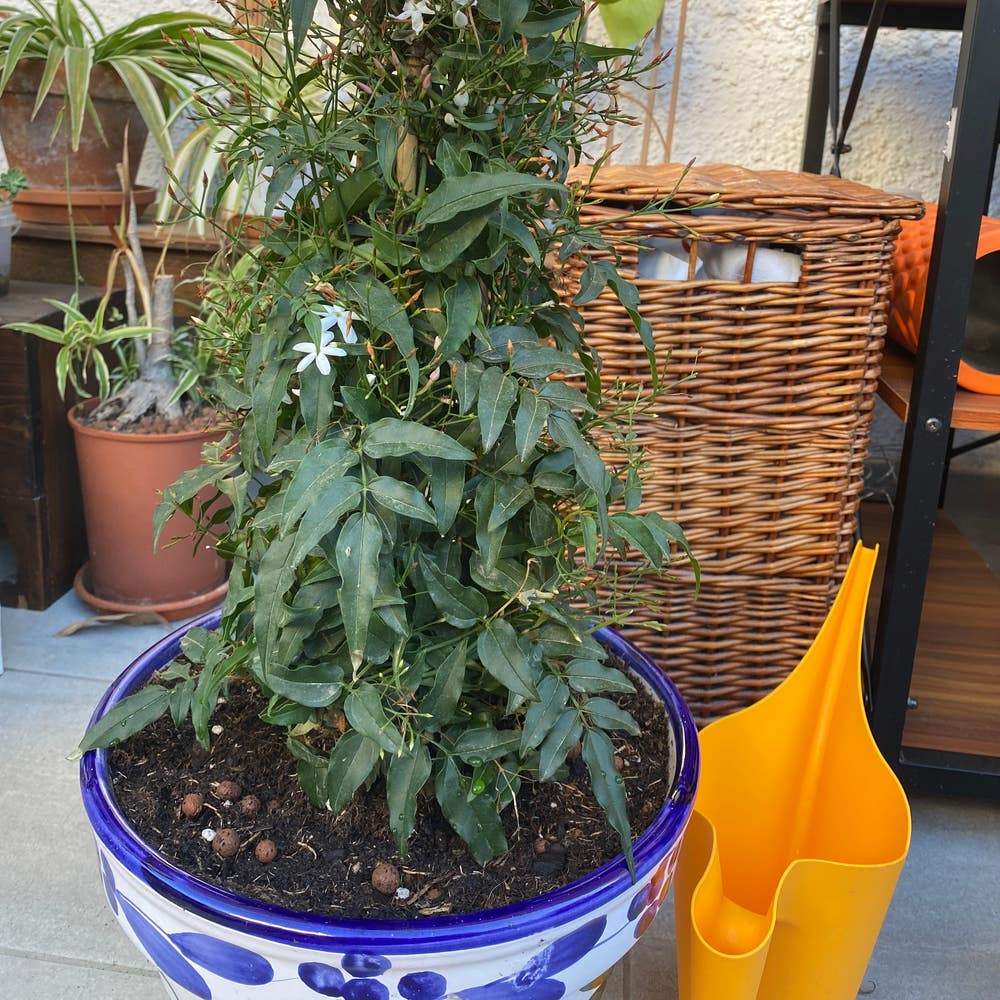
Elevate your garden with Pink Jasmine 🌿, a resilient perennial that thrives and enchants season after season!
- 🌸 Pink Jasmine is a perennial, thriving year after year, unlike annuals.
- 🌱 It can grow up to 20 feet, enhancing garden aesthetics with its climbing nature.
- 🌿 Proper care ensures longevity, maximizing beauty and fragrance in your garden.
Pink Jasmine as a Perennial
🌱 Genetic Characteristics
Pink Jasmine, scientifically classified as Jasminum polyanthum, showcases remarkable adaptations for long-term survival. Its classification as a perennial is rooted in its ability to thrive year after year, thanks to its resilient genetic makeup.
The climbing vine nature of Pink Jasmine supports its perennial growth. This characteristic allows it to reach impressive heights, often climbing up to 20 feet, which not only enhances its aesthetic appeal but also aids in its survival by accessing sunlight.
🌿 Physiological Traits Supporting Perennial Classification
One of the key physiological traits of Pink Jasmine is its deep and extensive root system. This robust root structure enables efficient nutrient absorption, crucial for sustaining its growth over multiple seasons.
Additionally, the leaf structure of Pink Jasmine is specifically adapted for photosynthesis. These leaves maximize sunlight capture, ensuring the plant remains vigorous and healthy throughout its lifespan.
📈 Long-Term Lifecycle and Growth Patterns
Pink Jasmine typically enjoys a lifespan of several years, characterized by continuous growth. This longevity allows it to establish itself firmly in gardens, providing beauty and fragrance season after season.
The plant exhibits active growth primarily in spring and summer. During these warmer months, it flourishes, while in colder months, it enters a state of dormancy, reducing its activity significantly.
🔄 Lifecycle Comparison with Annuals
When comparing Pink Jasmine to annuals, its reproductive strategies stand out. Unlike annuals that complete their lifecycle in one season, Pink Jasmine optimizes seed set timing and conditions for sustained growth.
Moreover, Pink Jasmine focuses on quality over quantity in flowering and seed production. This approach not only enhances its resilience but also has implications for garden planning, making it a valuable addition to perennial schemes.
❗ Misconceptions and Exceptions
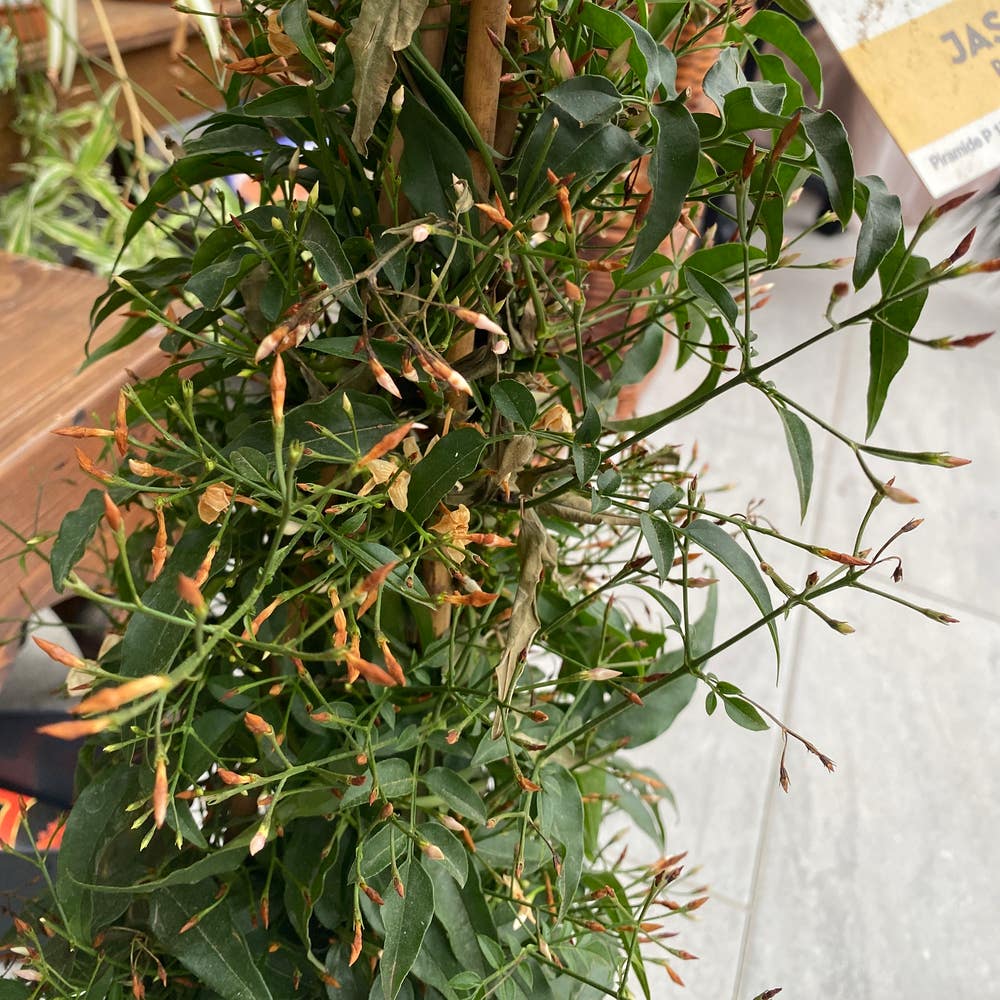
There are conditions where Pink Jasmine may be mistakenly treated as an annual. Environmental stress and mismanagement can lead to this misunderstanding, causing gardeners to overlook its perennial traits.
Regional variations also play a significant role in its classification. Climate adaptability and local gardening practices can influence how Pink Jasmine is perceived and cared for, leading to common mistakes in its treatment.
🌼 Garden Design and Planning
Using Pink Jasmine in perennial gardens offers numerous advantages. Its aesthetic appeal and long-term investment potential make it a favorite among gardeners looking for lasting beauty.
To effectively integrate Pink Jasmine into garden design, consider companion planting and space considerations. This thoughtful planning can enhance the overall garden experience and ensure the plant thrives.
⏳ Maximizing Longevity
To manage Pink Jasmine as a perennial effectively, focus on best practices for soil health and watering techniques. These foundational care strategies are essential for promoting longevity and vitality.
Enhancing growth and flowering can be achieved through proper pruning strategies and pest management. Seasonal considerations for care and maintenance are also crucial, particularly in preparing for both active growth and dormancy.
Incorporating Pink Jasmine into your garden not only enriches the landscape but also fosters a deeper connection with nature. As you plan your garden, remember the unique traits of this perennial gem, ensuring it thrives for years to come.
⚠️ Safety First
This content is for general information and may contain errors, omissions, or outdated details. It is not medical, veterinary advice, or an endorsement of therapeutic claims.
Always consult a qualified healthcare professional before using any plant as food, medicine, or supplement.
Never eat any plant (or feed one to pets) without confirming its identity with at least two trusted sources.
If you suspect poisoning, call Poison Control (800) 222-1222, the Pet Poison Helpline (800) 213-6680, or your local emergency service immediately.
Spotted an error? Please report it here.
Celebrate the everlasting beauty of Pink Jasmine 🌿 by using Greg's personalized care reminders to keep your perennial thriving year after year!