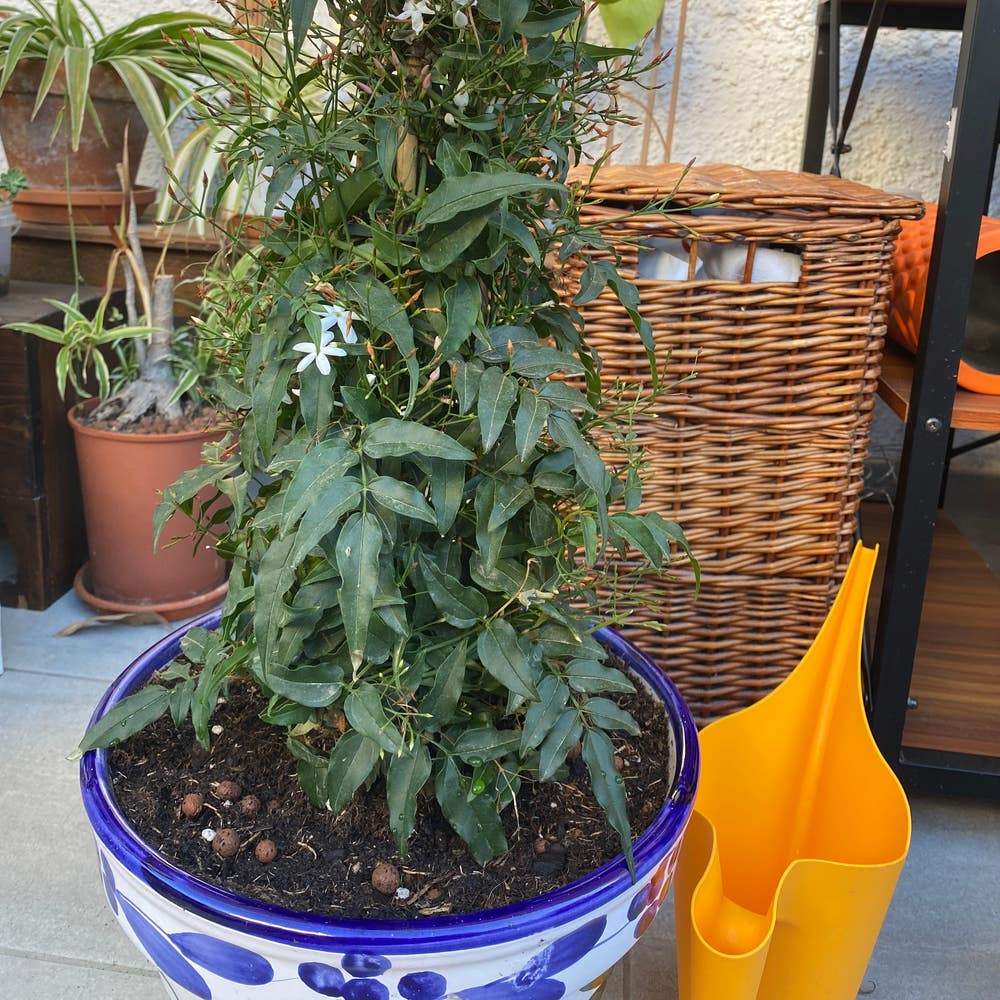
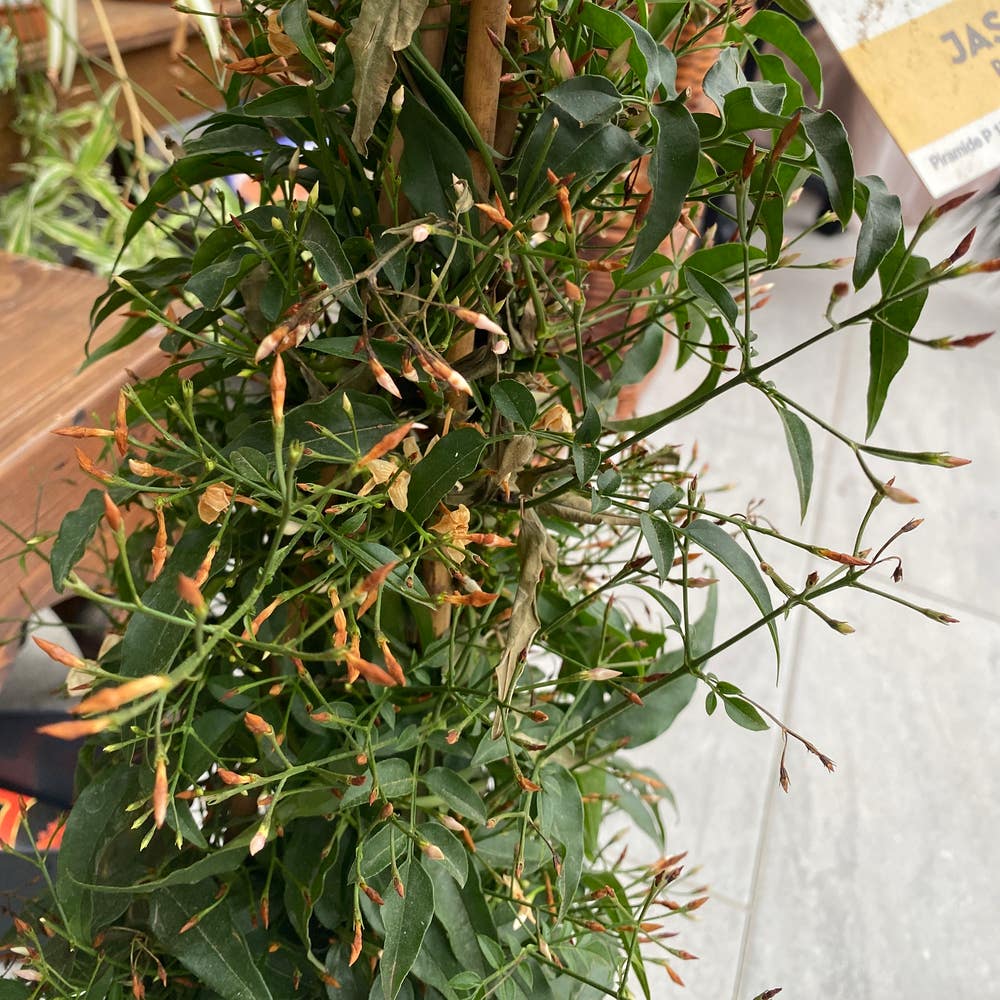
🌸 Where Can Pink Jasmine Grow? Zones 8a-11b
Jasminum polyanthum
By the Greg Editorial Team
Oct 09, 2024•5 min read
This article was created with the help of AI so we can cover more plants for you. May contain errors. See one? Report it here.
Master Pink Jasmine's temperature needs 🌡️ to create a thriving garden filled with fragrant blooms!
- 🌱 Pink Jasmine thrives in USDA Zones 8a-11b, ideal for warmer climates.
- ☀️ Requires at least six hours of sunlight daily for optimal blooming.
- 🌊 Well-draining soil and consistent moisture are crucial for healthy growth.
Temperature Tolerance of Pink Jasmine
❄️ Cold Tolerance Specifics
Pink Jasmine can withstand surprisingly low temperatures, tolerating conditions as frigid as 10°F (-12°C). However, frost can be detrimental, especially during the flowering phase, potentially damaging delicate blooms and stunting growth.
🔥 Heat Tolerance Specifics
On the flip side, Pink Jasmine thrives in heat, with a maximum tolerance of up to 100°F (38°C). Yet, extreme heat can stress the plant, leading to reduced flowering and overall vitality if not managed properly.
🌡️ Impact of Temperature Extremes on Growth
Temperature fluctuations can significantly influence the health of Pink Jasmine. Regular monitoring of local climate conditions is crucial for ensuring successful growth and vibrant blooms.
Understanding these temperature tolerances will help you create the perfect environment for your Pink Jasmine, setting the stage for lush growth and beautiful flowers. Next, let’s explore the ideal growing regions for this lovely plant.
Ideal Growing Regions for Pink Jasmine
🌍 Examples of US States in Suitable Zones (8a-11b)
Pink Jasmine thrives in specific regions across the United States, particularly in warmer climates.
- California: The coastal regions and southern parts provide the perfect environment for this fragrant vine.
- Florida: Southern and central areas offer the warmth and humidity that Pink Jasmine loves.
- Texas: Southern regions and parts of the Gulf Coast create ideal conditions for growth.
🌱 Factors Contributing to Ideal Growing Conditions
To ensure your Pink Jasmine flourishes, consider these essential factors:
Soil Requirements
Pink Jasmine prefers well-draining soil types. This prevents waterlogging, which can harm the roots.
Sunlight Needs
Full sun exposure is crucial for optimal growth. Aim for at least six hours of direct sunlight daily to encourage vibrant blooms.
Moisture Levels
Consistent moisture is key, but be cautious not to overwater. Maintaining a balance will help your plant thrive without the risk of root rot.
Understanding these factors will set you up for success in growing Pink Jasmine. With the right conditions, this plant can become a stunning addition to your garden, filling the air with its delightful fragrance.
As you explore the best growing regions, keep in mind how microclimates can also play a significant role in your plant's health.
Microclimates and Their Effects
🌱 How Microclimates Can Extend Growing Range
Microclimates are localized areas where the climate differs from the surrounding region. Urban areas and bodies of water can create warmer conditions, making them ideal for growing Pink Jasmine.
In cities, buildings and pavement absorb heat, leading to warmer temperatures. Similarly, areas near lakes or oceans benefit from moderated temperatures, providing a more stable environment for this delicate plant.
🌊 Examples of Microclimates That Benefit Pink Jasmine
Urban Heat Islands
These are regions within cities that experience higher temperatures due to human activity. The concentration of buildings and infrastructure can create a perfect haven for Pink Jasmine, allowing it to thrive where it might otherwise struggle.
Coastal Microclimates
Coastal areas enjoy milder temperatures thanks to the ocean's influence. The consistent warmth and humidity near the coast can significantly enhance the growth of Pink Jasmine, making it a popular choice for gardens in these regions.
Understanding these microclimates can help gardeners maximize their chances of successfully cultivating Pink Jasmine. By recognizing local conditions, you can create an environment that supports this beautiful plant.
As we explore the suitability of different states for Pink Jasmine, keep in mind how these microclimates can play a crucial role in your gardening success.
State-Level Suitability Analysis
List of States Suitable for Pink Jasmine (Zones 8a-11b) 🌺
Pink Jasmine thrives in warmer climates, making several states ideal for its growth. Here are the top contenders:
- California: Particularly in coastal regions and the southern parts, where the climate is just right.
- Florida: Southern and central regions provide the warmth and humidity Pink Jasmine loves.
- Texas: Southern areas and parts of the Gulf Coast offer a suitable environment.
- Louisiana: The warm, humid conditions are perfect for this fragrant plant.
- Arizona: While it can get hot, certain areas meet the temperature needs for Pink Jasmine.
List of States Unsuitable for Pink Jasmine and Reasons 🚫
Not every state can support Pink Jasmine's growth. Here are the ones that fall short:
- Northern States: States like Maine and North Dakota face cold temperatures and frost risks that can damage the plant.
- Mountainous Regions: Areas such as Colorado experience high elevations, leading to lower temperatures that are not conducive to Pink Jasmine.
Discussion of Regional Variations Within States 🌍
Even within suitable states, conditions can vary significantly.
For instance, California boasts diverse climates, from coastal breezes to inland heat.
Local conditions, such as soil type and microclimates, play a crucial role in determining whether Pink Jasmine will flourish.
Understanding these nuances can make all the difference in your gardening success.
As you explore the potential for growing Pink Jasmine, consider how these factors might influence your specific location.
This knowledge will help you create the best environment for your plants to thrive.
⚠️ Safety First
This content is for general information and may contain errors, omissions, or outdated details. It is not medical, veterinary advice, or an endorsement of therapeutic claims.
Always consult a qualified healthcare professional before using any plant as food, medicine, or supplement.
Never eat any plant (or feed one to pets) without confirming its identity with at least two trusted sources.
If you suspect poisoning, call Poison Control (800) 222-1222, the Pet Poison Helpline (800) 213-6680, or your local emergency service immediately.
Spotted an error? Please report it here.
Cultivating Pink Jasmine can elevate your garden's charm 🌼, and with Greg's tailored care reminders, you'll create the perfect environment for this stunning plant to thrive!