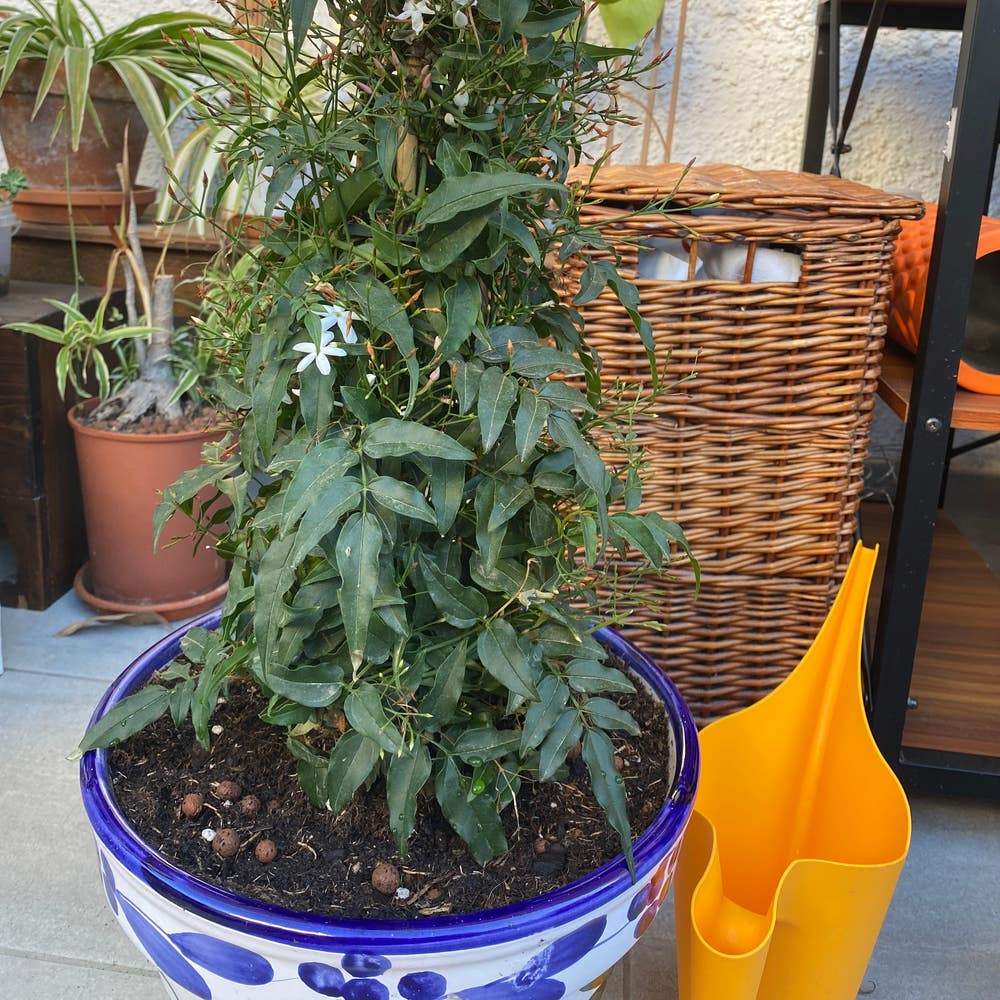
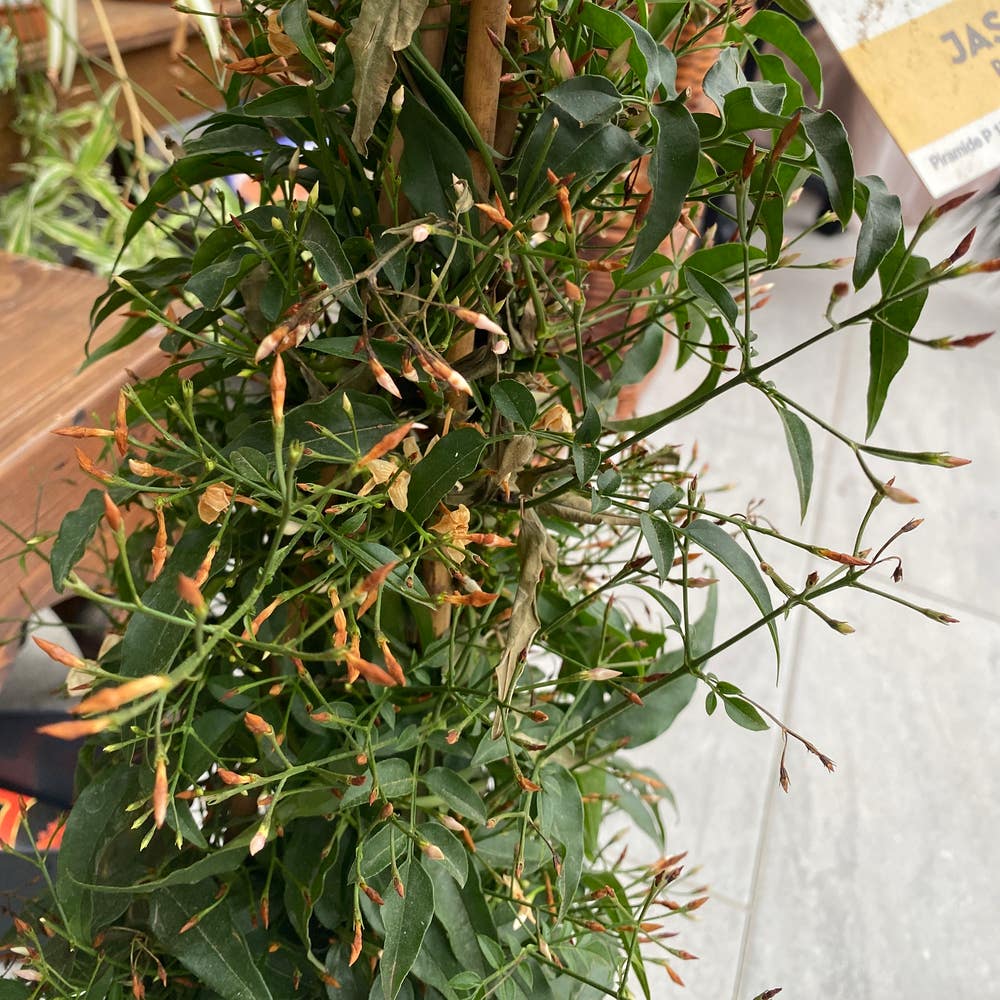
How Much Should I Water My Pink Jasmine?
Jasminum polyanthum
By the Greg Editorial Team
Jun 18, 2024•4 min read
This article was created with the help of AI so we can cover more plants for you. May contain errors. See one? Report it here.
Nurture your Pink Jasmine to perfection 🌺 with our fail-safe watering strategies—no more wilt or water-woes!
- Lukewarm water for roots, gentle pour at base to avoid foliage.
- Adjust watering to seasons, more in spring/summer, less in fall/winter.
- Consider filtered/rainwater for Pink Jasmine's health and better moisture retention.
Plant Care 101
Choosing the Right Plants for Your Space
Watering Tips for Healthy Plants
Soil and Fertilizer Basics
Dealing with Common Pests and Diseases
Pruning and Trimming Techniques
Propagation Methods for New Plants
Creating a Plant Care Schedule

How to Water Your Pink Jasmine
💦 The Right Way to Drench Your Plant
Watering your Pink Jasmine isn't rocket science, but it does require a bit of finesse. Best practices include using lukewarm water to avoid shocking the plant's roots, especially during colder months. Aim for a gentle pour, targeting the base rather than drenching the foliage, which can invite unwanted guests like fungal diseases.
A watering can with a long spout offers precision, minimizing splash-back and ensuring the water reaches the soil rather than just the surface. Common mistakes? Overzealous watering or using a hose with too much force. Both can unsettle the soil and harm delicate root systems.
🚰 Ensuring Proper Drainage
Drainage is the unsung hero in the plant care saga. Without it, you're setting the stage for root rot – a silent assassin in the plant world. Ensure your Pink Jasmine's pot has adequate drainage holes; if not, grab a drill and get to work. No drainage equals a death sentence for those roots.
Soil mix is key. A concoction of potting soil with a generous helping of perlite or vermiculite ensures water flows freely. Remember, waterlogged soil is a no-go. If you're mixing your own, think of it as making the perfect cocktail – it's all about balance. Too much organic matter and you'll have a soggy mess; too little, and your Pink Jasmine will be parched.

Tailoring Watering to Your Environment
💧 Environmental Factors That Dictate Thirst
Your Pink Jasmine's thirst is as dynamic as the weather. Light intensity ramps up its need for water, so a spot bathed in sunshine will have your plant reaching for the watering can more often. Temperature swings play a big role too—higher temps mean more frequent drinks. And while Pink Jasmine isn't fussy about humidity, it's still a piece of the puzzle; drier air might nudge you to water a tad more.
🏡 Adapting to Your Home's Microclimate
Every home is unique, and so is every corner within it. Your plant doesn't care for the average humidity or temperature—it's all about the microclimate it lives in. That sunny windowsill that's perfect in winter might turn into a scorching desert in summer. Stay alert and ready to shuffle your Pink Jasmine around to keep it from throwing a fit.
🍂 Seasonal Adjustments for Pink Jasmine
As the seasons change, so should your watering routine. Spring growth spurts and summer heat waves call for a more generous pour, while in the fall and winter, your plant's water needs dial back. Overwatering is just as much a faux pas as underwatering—soggy soil is a no-go, and dry spells should be just long enough for the soil to recover from its last drink. Keep an eye out for droopy leaves or a too-light pot, both telltale signs that you need to tweak your approach.

Advanced Tips for Pink Jasmine Hydration
💦 Mulching and Moisture Retention
Mulch isn't just a pretty topping; it's a moisture magician for your Pink Jasmine. It keeps the soil damp longer, reducing the need for frequent watering. Opt for organic materials like straw or bark, which break down over time to enrich the soil.
Remember, timing is everything. Add mulch in spring to retain moisture during hot months, and pull it back slightly in winter to prevent excess moisture from chilling the roots.
🚰 Water Quality and Plant Health
Your Pink Jasmine is a bit of a diva when it comes to water quality. Tap water can be a cocktail of chemicals that might not sit well with your plant. If you notice your Jasmine's leaves throwing a fit—think spots or yellowing—it might be time to switch to filtered or rainwater.
Keep an eye on your plant after watering. Signs of distress could indicate it's time to reassess what's in your water. A simple switch could bring your Jasmine from lackluster to lush.
⚠️ Safety First
This content is for general information and may contain errors, omissions, or outdated details. It is not medical, veterinary advice, or an endorsement of therapeutic claims.
Always consult a qualified healthcare professional before using any plant as food, medicine, or supplement.
Never eat any plant (or feed one to pets) without confirming its identity with at least two trusted sources.
If you suspect poisoning, call Poison Control (800) 222-1222, the Pet Poison Helpline (800) 213-6680, or your local emergency service immediately.
Spotted an error? Please report it here.
Nurture your Pink Jasmine to perfection with custom watering reminders 🌱 from Greg, adapting seamlessly to your home's climate.