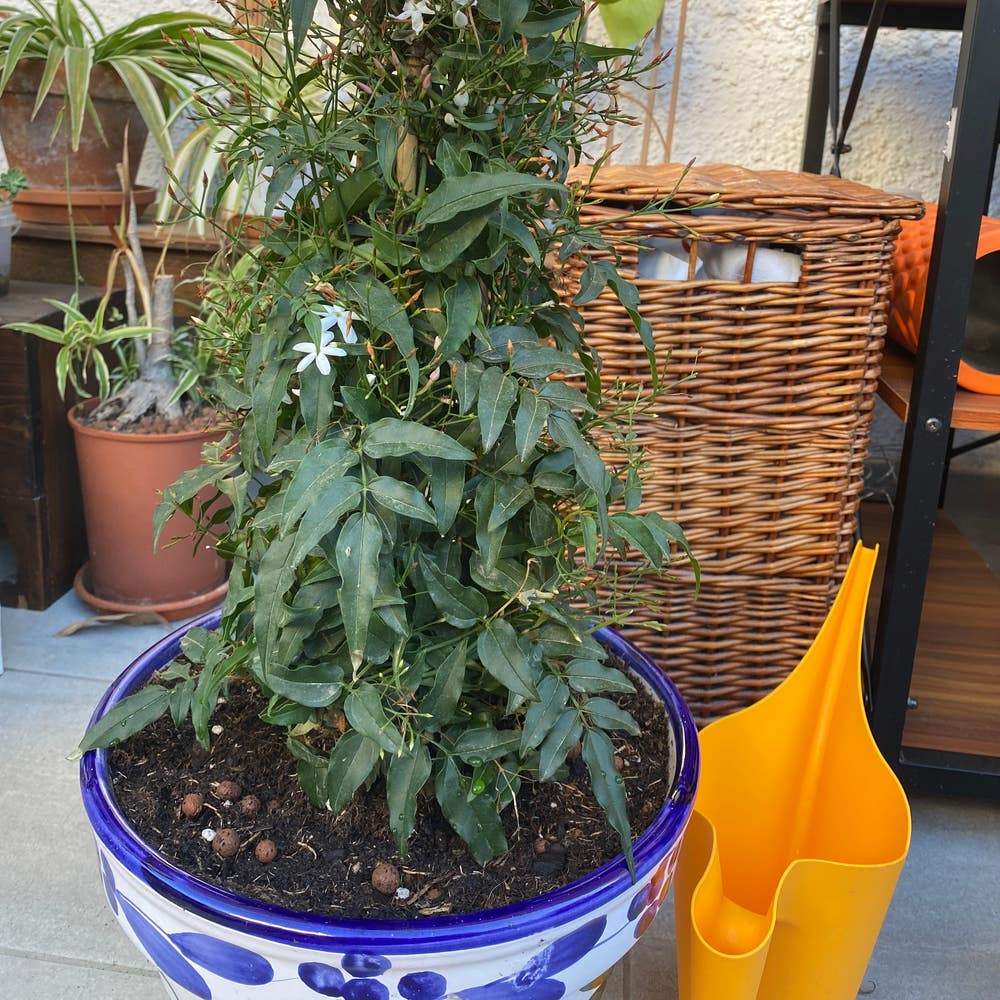
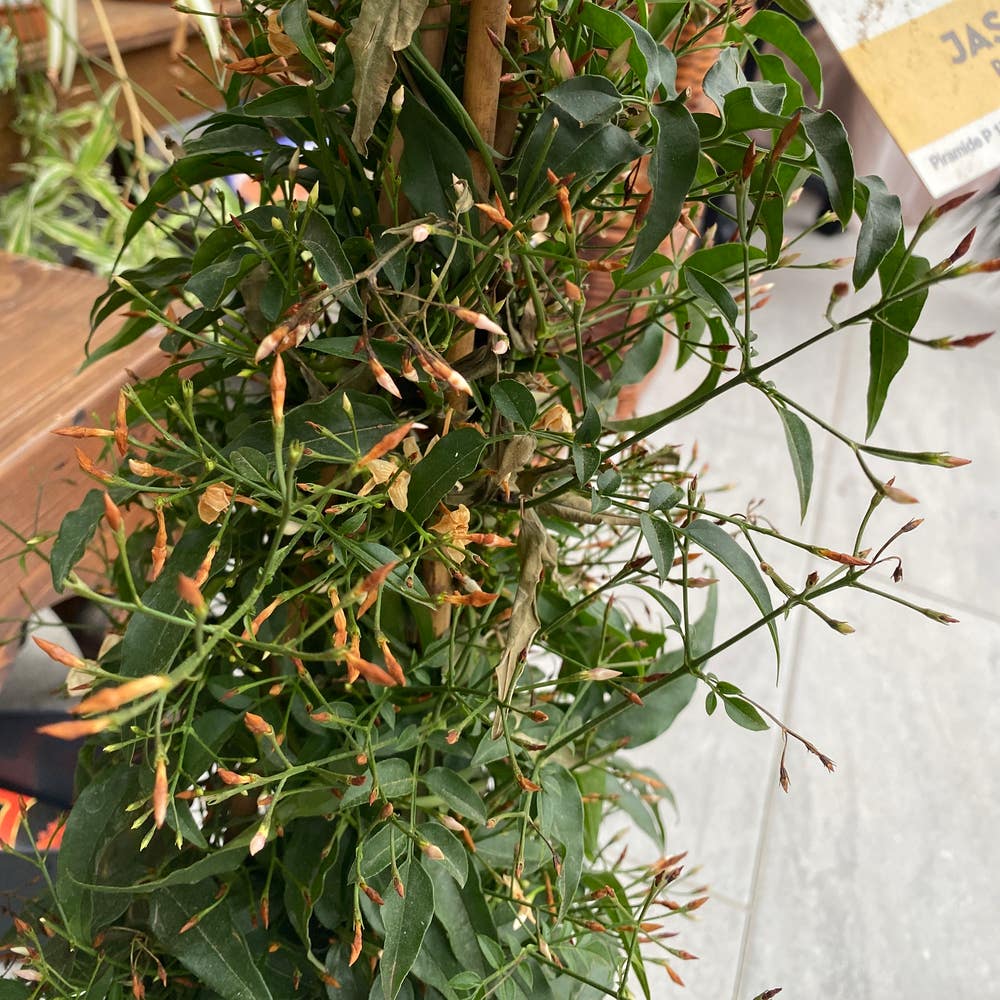
Why Is My Pink Jasmine Dropping Leaves?
Jasminum polyanthum
By the Greg Editorial Team
Jun 18, 2024•6 min read
This article was created with the help of AI so we can cover more plants for you. May contain errors. See one? Report it here.
Unravel the mystery of your Pink Jasmine's leaf drop and revive its splendor with expert tips! 🌿🔍
- 💧 Over or underwatering can lead to leaf drop; check soil moisture.
- 🌡️🌞 Proper light and temperature are key to Pink Jasmine health.
- 🐛🍄 Watch for pests and diseases like spider mites and powdery mildew.
Spot the Symptoms: When Your Pink Jasmine Needs Help
🚰 Yellowing Leaves: The Telltale Sign
Yellow leaves can scream overwatering. If your Pink Jasmine's leaves are more yellow than a rubber duck, it's time to reassess your watering habits. Ensure the soil is well-draining; if it's soggy days after watering, you're giving your plant a bath, not a drink.
🏜️ Wilting and Curling: Plant SOS
When leaves wilt or curl, your Pink Jasmine might be thirstier than a marathon runner. Give it a good soak, but remember, you're hydrating, not drowning. The soil should feel like a wrung-out sponge – moist, not wet.
💧 Soil Check: The Root of the Issue
Visible changes in soil condition are like reading tea leaves for plant health. If the soil looks like the surface of the moon – dry and cracked – it's underwatering time. But if it smells like a swamp and you've got mushy stems, you've overdone it.
🔍 Spotting Pests and Diseases
Be a detective; inspect your plant for freeloading pests or signs of fungal fashion like powdery mildew. If your Pink Jasmine is sporting what looks like a dusting of flour or has leaves with more spots than a Dalmatian, it's time for some plant first aid.
🌞 Environmental Check-Up
Lastly, don't forget the ambiance. Your Pink Jasmine isn't just picky about water; it craves the right light and temperature too. If it's dropping leaves like they're hot, maybe they are – check for sunburn or adjust the thermostat to keep your green buddy comfortable.

Thirsty or Drowning? Watering Woes Decoded
💧 Too Much Love: Signs of Overwatering
Yellow leaves and a general sense of plant malaise often signal overwatering. If your Pink Jasmine's leaves drop at the slightest touch, it's time to reassess your watering habits. A sniff test can be telling; a foul odor from the soil indicates that your plant is more waterlogged than a sunken ship.
🏜️ Parched Plants: Recognizing Underwatering
Conversely, leaves that are crispy and dry scream underwatering. If your Pink Jasmine has the look of a plant left in the Sahara with no oasis in sight, it's begging for hydration. Wilting and slow growth are the plant's way of saying, "I'm not just being dramatic; I need a drink!"
🚰 Finding the Balance: Ideal Watering Practices for Pink Jasmine
The trick is to water your Pink Jasmine like it's a delicate dance, not a rain dance. Check the soil moisture; if it's dry down to an inch, it's time to water. Remember, consistency is key—don't turn your watering schedule into a rollercoaster. And always ensure proper drainage; your plant's roots shouldn't be swimming. If you find your pot heavier than your last relationship, it's probably holding too much water. On the flip side, a pot lighter than your wallet post-holidays needs a drink.

Biotic Troublemakers: Pests and Diseases
🐜 Pests on the Prowl
Spider mites suck the life out of Pink Jasmine, leaving behind telltale yellowing leaves. Aphids and whiteflies aren't far behind, turning lush greenery into their personal snack bar. To spot these freeloaders, look for drooping foliage, bite marks, or a sticky residue.
To evict these pests, consider unleashing predatory mites, the bouncers of the plant world, or go for neem oil and insecticidal soap. Remember, the best offense is a good defense—keep your Pink Jasmine robust to avoid these unwanted guests.
🍄 Fungal Foes and Other Illnesses
Powdery mildew and root rot are the Pink Jasmine's silent saboteurs, often revealed by discolored or wilted leaves. Fusarium wilt, a particularly nasty fungus, can also take hold, causing leaves to drop prematurely.
For these fungal party poopers, prevention is key. Ensure your plant isn't waterlogged and has good air circulation. If they crash the party, treat with fungicides or natural remedies like garlic spray, but only as a last resort. Regular health checks can catch these issues before they turn your Pink Jasmine's world upside down.

The Comfort Zone: Environmental Factors Affecting Leaf Health
🌡️ Temperature Tantrums
Fluctuations in temperature can send your Pink Jasmine into a state of shock, much like a sudden cold snap would have you reaching for a sweater. Aim for a steady range that doesn't swing wildly; think of it as setting a thermostat for plant comfort.
🌬️ Drafts and Sunlight: Positioning Your Pink Jasmine Right
Drafts are the silent assassins of the plant world, so place your Pink Jasmine where the air is as still as a library. When it comes to sunlight, this plant is a bit of a Goldilocks—it needs that bright, indirect light, but direct rays are a no-go. Less than a foot away from a window should hit the sweet spot without causing a sunburn.
💦 Humidity Hints: Keeping the Air Just Right
Your Pink Jasmine craves humidity like a baker needs flour. Too dry, and you'll see more leaf drop than a tree in autumn. Aim for a humidity level that feels comfortable to you, likely between 40-60%. If your indoor air is drier than a stand-up comedian's wit, consider a humidifier or a pebble tray to keep things moist.
Nourishment Know-How: Feeding Your Pink Jasmine
💡 The Nutrient Balance
Pink Jasmine is not just another pretty face; it's a nutrient connoisseur. It craves a balanced diet, but not all soils are created equal. If your jasmine's leaves are turning yellow, it might be time to consider a fertilizer boost. A thick layer of organic mulch can work wonders, slowly breaking down and enriching the soil.
🚰 Signs of Deficiency
Leaves are the tattletales of the plant world. Yellowing leaves can signal a nitrogen deficiency, while lack of blooms might point to insufficient phosphorus. Potted plants are especially vulnerable, as they can't forage for nutrients beyond their confined soil.
🍽️ Fertilizing Finesse
Timing is everything. Feed your Pink Jasmine in spring or late winter in milder climates. A balanced NPK fertilizer is your go-to, but don't just throw it on and hope for the best. Overfeeding is as harmful as underfeeding. Use a half dilution every two weeks during the growing season, and remember, winter is a no-feed zone. Slow-release granules can be a lifesaver for the forgetful gardener, providing a steady nutrient supply without the risk of overdoing it.
⚠️ Safety First
This content is for general information and may contain errors, omissions, or outdated details. It is not medical, veterinary advice, or an endorsement of therapeutic claims.
Always consult a qualified healthcare professional before using any plant as food, medicine, or supplement.
Never eat any plant (or feed one to pets) without confirming its identity with at least two trusted sources.
If you suspect poisoning, call Poison Control (800) 222-1222, the Pet Poison Helpline (800) 213-6680, or your local emergency service immediately.
Spotted an error? Please report it here.
Prevent your Pink Jasmine from shedding its beauty by letting Greg orchestrate 🎼 your watering and fertilizing schedule, ensuring vibrant growth without the guesswork.