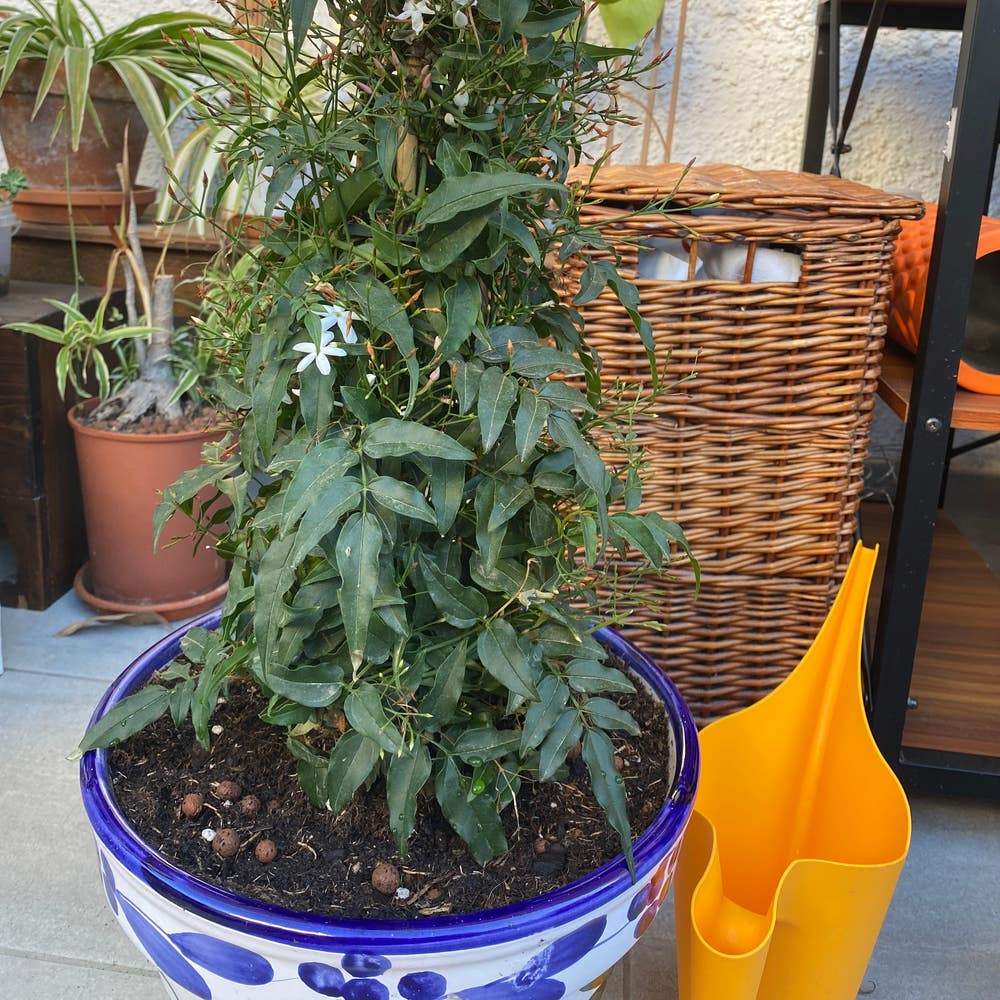
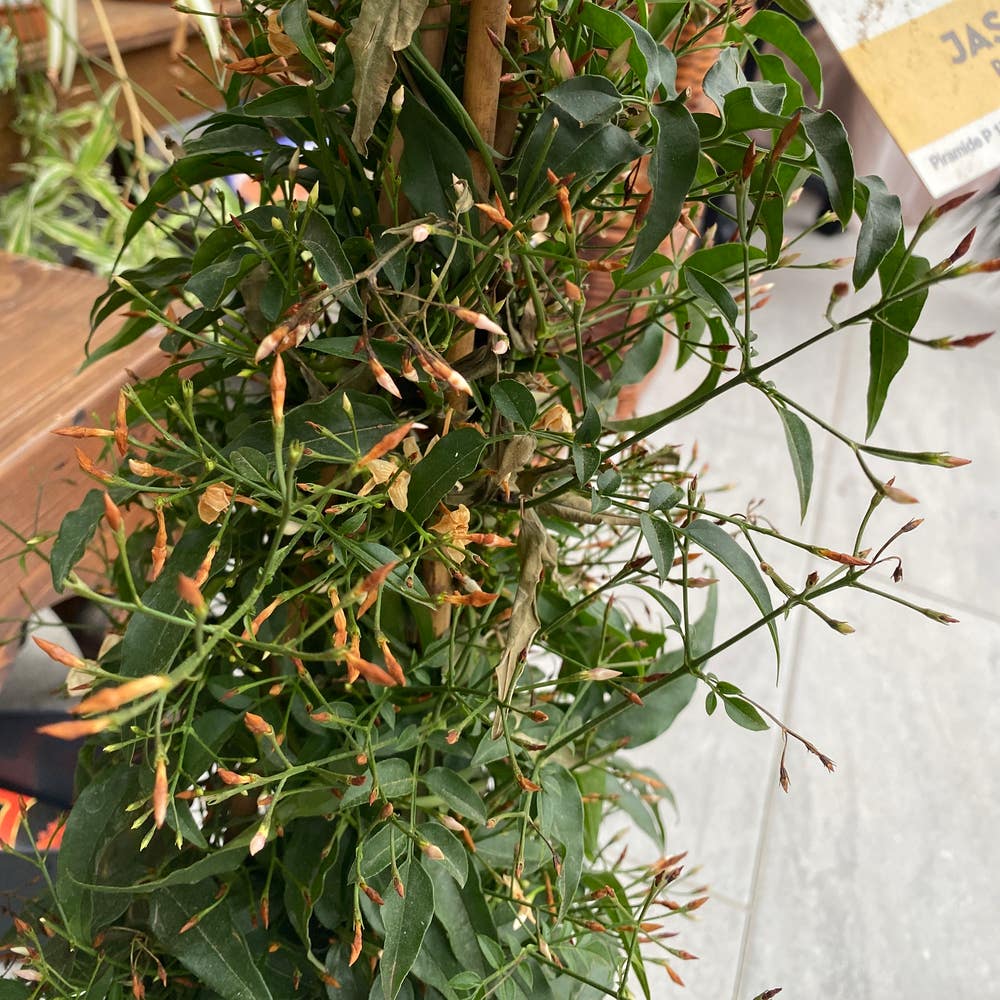
How to Know When to Repot a Pink Jasmine?
Jasminum polyanthum
By the Greg Editorial Team
Jun 18, 2024•4 min read
This article was created with the help of AI so we can cover more plants for you. May contain errors. See one? Report it here.
Discover the secret to a thriving Pink Jasmine 🌺—knowing when and how to repot is key!
- Roots circling or poking out? Time to repot your Pink Jasmine.
- 🌱 Choose terracotta, plastic, or ceramic based on moisture needs.
- Repot in spring or fall, ensuring a pot 2 inches larger for growth.
Spotting the Tell-Tale Signs It's Time to Repot
🌱 Root Check: Circling and Poking Out
If your Pink Jasmine's roots are staging a breakout, circling the topsoil or poking through drainage holes, it's time for a jailbreak to a bigger pot. Visible roots aren't just quirky aesthetics; they're a cry for help.
💧 Water Woes: Fast Drainage and Dry Spells
When water races through the pot faster than a kid down a waterslide, leaving the soil dry, it's a sign. Overwatering isn't the fix here; your plant's roots are likely too cramped to retain moisture properly.
📏 Growth Gaps: When Your Jasmine Stops Growing
A Pink Jasmine hitting a growth plateau isn't just taking a breather; it's likely root-bound. If your plant's growth has slowed to a snail's pace or stopped altogether, consider it a green light for repotting.

Choosing a New Home for Your Pink Jasmine
🏡 Material Matters: Terracotta vs. Plastic vs. Ceramic
Terracotta is the go-to for many green thumbs. Its porous nature lets roots breathe and helps prevent overwatering by wicking away excess moisture. But beware, it can dry out faster, so if you're a forgetful waterer, you might want to think twice.
Plastic pots are lightweight champions, often cheaper, and retain moisture longer. This could be a double-edged sword though; they can turn into mini swamps if you're heavy-handed with the watering can.
Ceramic pots are the stylish middle-ground. They usually have a glaze that slows down moisture loss, but not as much as plastic. They can be heavier and pricier, but let's be honest, they look pretty slick on a windowsill.
📏 Size It Up: Finding the Perfect Pot Size
Go for a pot that's about 2 inches larger in diameter than the current one. This gives your jasmine room to grow without drowning in a sea of soil. Too big, and the soil stays wet for too long; too small, and you'll be repotting again before you know it.
🚰 Drainage Decisions: Ensuring Proper Water Flow
Drainage holes are non-negotiable. Pink Jasmine doesn't like wet feet. Make sure the new pot has holes in the bottom, and if you're feeling extra, pop it on a tray with pebbles to elevate it. This helps avoid waterlogging and root rot, which is pretty much a death sentence for your fragrant friend.

The Repotting Rundown
⏰ Timing it Right: When to Make the Move
Spring is the prime time for repotting, as plants kick into their growth phase. If you've missed the window, early fall is your next best bet. Don't wait until your Pink Jasmine is bursting out of its pot; slow growth or a quick-drying potting mix are your cues.
🔄 Step-by-Step: Gently Transitioning to the New Pot
Gently coax your Pink Jasmine out of its current pot, being mindful not to damage the roots. If it's stubborn, a tap on the pot's bottom or a slide of a chopstick around the edge can help. Once out, place it in the new pot with a fresh layer of soil beneath, ensuring the root crown sits at the same level as before.
🌱 Soil Selection: Mixing the Ideal Home for Roots
Choose a potting mix that's well-draining and rich in nutrients. If you're feeling fancy, mix in some perlite or sand to improve drainage. Remember, Pink Jasmine doesn't like wet feet, so getting the soil right is like setting up a good drainage system in a house – it prevents a whole lot of future problems.

After the Move: Caring for Your Repotted Jasmine
💧 Watering Wisdom: Hydration without the Shock
After repotting, water immediately—think of it as a welcome drink in its new abode. But don't drown the poor thing; aim for moist, not soggy. Over the next few weeks, keep the soil consistently damp to help your jasmine recover from the move.
☀️ Positioning and Light: Settling into a New Spot
Your Pink Jasmine's post-move spot should have bright, indirect light. Direct sunlight? Not so much, especially right after repotting. It's like stepping out into a blizzard with just a T-shirt on—shock to the system. Gradually introduce it to more light to avoid any sunburnt leaves.
🕵️ Monitoring and Maintenance: Watching for Growth and Health
Play plant detective—keep an eye out for droopy leaves or stunted growth, signs your jasmine might be in distress. Regular check-ups are key. And don't rush to fertilize; let it settle in and get comfortable first. Remember, it's not just about keeping it alive, it's about helping it thrive.
⚠️ Safety First
This content is for general information and may contain errors, omissions, or outdated details. It is not medical, veterinary advice, or an endorsement of therapeutic claims.
Always consult a qualified healthcare professional before using any plant as food, medicine, or supplement.
Never eat any plant (or feed one to pets) without confirming its identity with at least two trusted sources.
If you suspect poisoning, call Poison Control (800) 222-1222, the Pet Poison Helpline (800) 213-6680, or your local emergency service immediately.
Spotted an error? Please report it here.
Ensure your Pink Jasmine thrives by using Greg to time repotting perfectly 🌿, complete with pot-sizing assistance and care reminders.