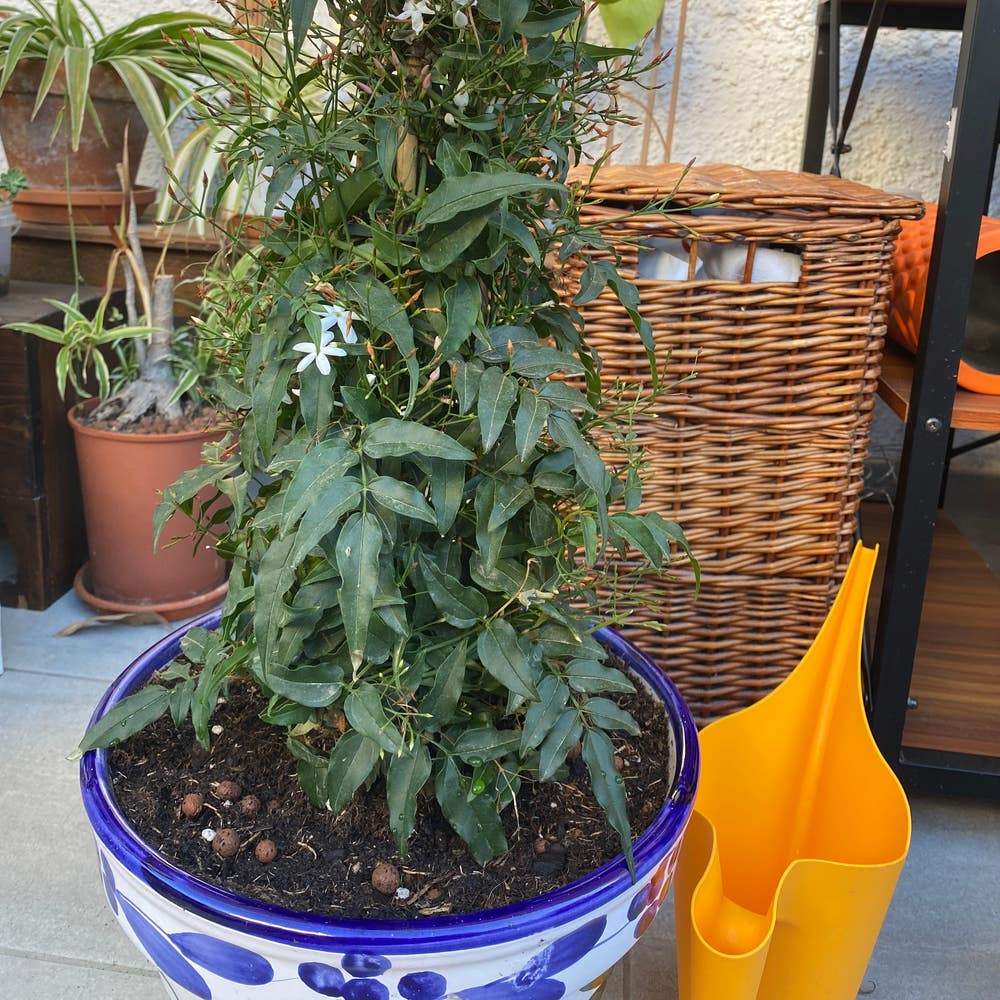
🌡 What Is A Good Temperature Range For My Pink Jasmine?
Jasminum polyanthum
By the Greg Editorial Team
Jun 18, 2024•3 min read
This article was created with the help of AI so we can cover more plants for you. May contain errors. See one? Report it here.
Discover the secret to lush Pink Jasmine blooms 🌸 by dialing in the perfect temperature range!
- Day 60-75°F, Night 55-65°F ideal for Pink Jasmine growth and bloom.
- Consistent temperature prevents stress, look for leaf discoloration and wilting.
- Moderate humidity (40-60%) complements temperature for plant health.
Nailing the Perfect Temperature for Pink Jasmine
🌡️ Daytime and Nighttime Temperature Sweet Spots
Pink Jasmine thrives in daytime temperatures of 60-75°F (15-24°C). As the sun sets, it prefers a slight chill, with nighttime temperatures dipping to 55-65°F (13-18°C). This mimics its natural habitat, encouraging robust growth and flowering.
🌬️ Seasonal Temperature Adjustments
Seasons change, and so do Pink Jasmine's needs. In summer, it can handle a bit more heat, but don't let it swelter. Come winter, it's not a snowbird; keep it away from the cold, aiming for the higher end of its comfort zone.
🌡️ The Role of Consistency in Temperature
Consistency isn’t just a virtue; it’s a necessity for Pink Jasmine. Fluctuating temperatures can turn your plant into a botanical drama queen. Steady temps mean less stress and more flowers, so keep those conditions as even as your morning coffee routine.

Recognizing When Your Pink Jasmine is Too Hot or Too Cold
🌡️ Telltale Signs of Temperature Stress
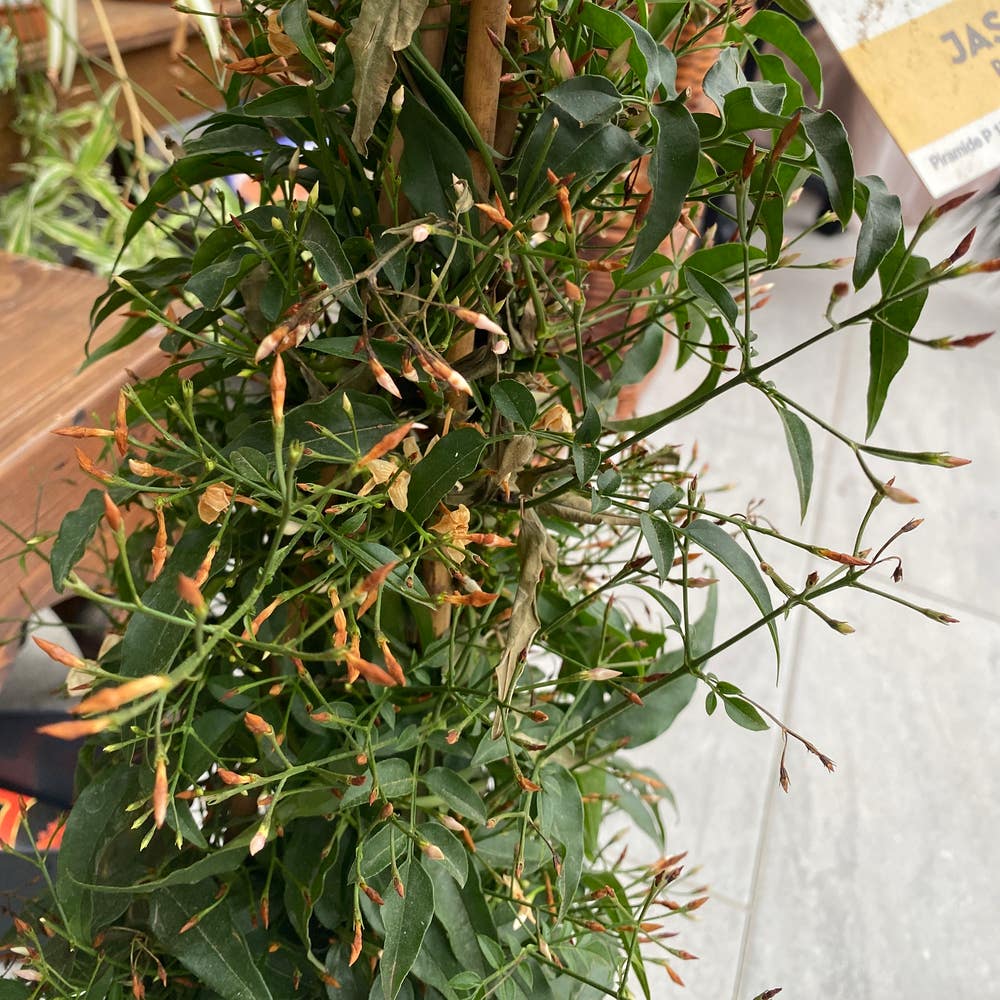
Leaf discoloration and wilting are the Pink Jasmine's way of waving a white flag. If you spot leaves turning a sickly yellow or taking on a darker hue, it's time for a temperature intervention. Stunted growth is another cry for help; your plant is basically saying, "I'm not comfy!"
🌸 How Temperature Extremes Affect Flowering
Pink Jasmine blooms might be shy if the thermostat's off. Too hot, and flowers might bail before the party starts. Too cold, and it's like the plant is conserving energy for a bloom apocalypse that never comes. Optimal temperatures are essential for that floral fanfare.

Troubleshooting Temperature Stress in Pink Jasmine
🌡️ Common Culprits of Temperature Fluctuations
Drafts are the silent assassins of stable temperatures. Your Pink Jasmine might as well be on a rollercoaster when placed near an open window or under the relentless blast of an A/C unit. Heat sources are equally guilty, turning your plant's cozy corner into a desert at noon and an icebox by midnight.
🛠️ Quick Fixes to Stabilize Temperature
Insulation is your first line of defense. Seal the drafts, and you seal the deal on temperature stability. Consider relocating your plant away from those fickle vents and radiators. If the sun is turning your Pink Jasmine into a crispy critter, draw the blinds to diffuse the light. And remember, a reliable thermostat isn't just for your comfort—it's a plant lifesaver. Keep that temperature dialed in, and you'll keep your Pink Jasmine from throwing a fit.

The Humidity Factor (Briefly)
🌧️ How Humidity Interacts with Temperature
Maintaining moderate humidity is as crucial for Pink Jasmine as getting the temperature right. These plants thrive in a Goldilocks zone of moisture—not too dry, not too damp.
💦 Humidity's Role in Pink Jasmine Health
Pink Jasmine's leaves can turn into crispy critters if the air is too dry, or they might become a breeding ground for fungal nightmares in excessive moisture. Aim for a humidity level between 40-60% to keep your plant from throwing a fit.
🌡 Achieving Humidity Harmony
Don't just wing it; use a hygrometer to monitor humidity levels. If your air is drier than a stand-up comedian's wit, consider a humidifier or a pebble tray. But remember, we're not creating a rainforest—balance is key.
🌿 Humidity Hacks
Grouping plants can create a mini oasis of shared humidity, a simple yet effective trick. And if you're cranking up the heat, remember to give your Pink Jasmine a humidity boost to compensate. It's about creating a cozy, consistent environment for those delicate blooms.
⚠️ Safety First
This content is for general information and may contain errors, omissions, or outdated details. It is not medical, veterinary advice, or an endorsement of therapeutic claims.
Always consult a qualified healthcare professional before using any plant as food, medicine, or supplement.
Never eat any plant (or feed one to pets) without confirming its identity with at least two trusted sources.
If you suspect poisoning, call Poison Control (800) 222-1222, the Pet Poison Helpline (800) 213-6680, or your local emergency service immediately.
Spotted an error? Please report it here.
Keep your Pink Jasmine flourishing 🌡 by maintaining the perfect 60-75°F range with Greg's reminders, ensuring your blooms are as stunning as they should be!