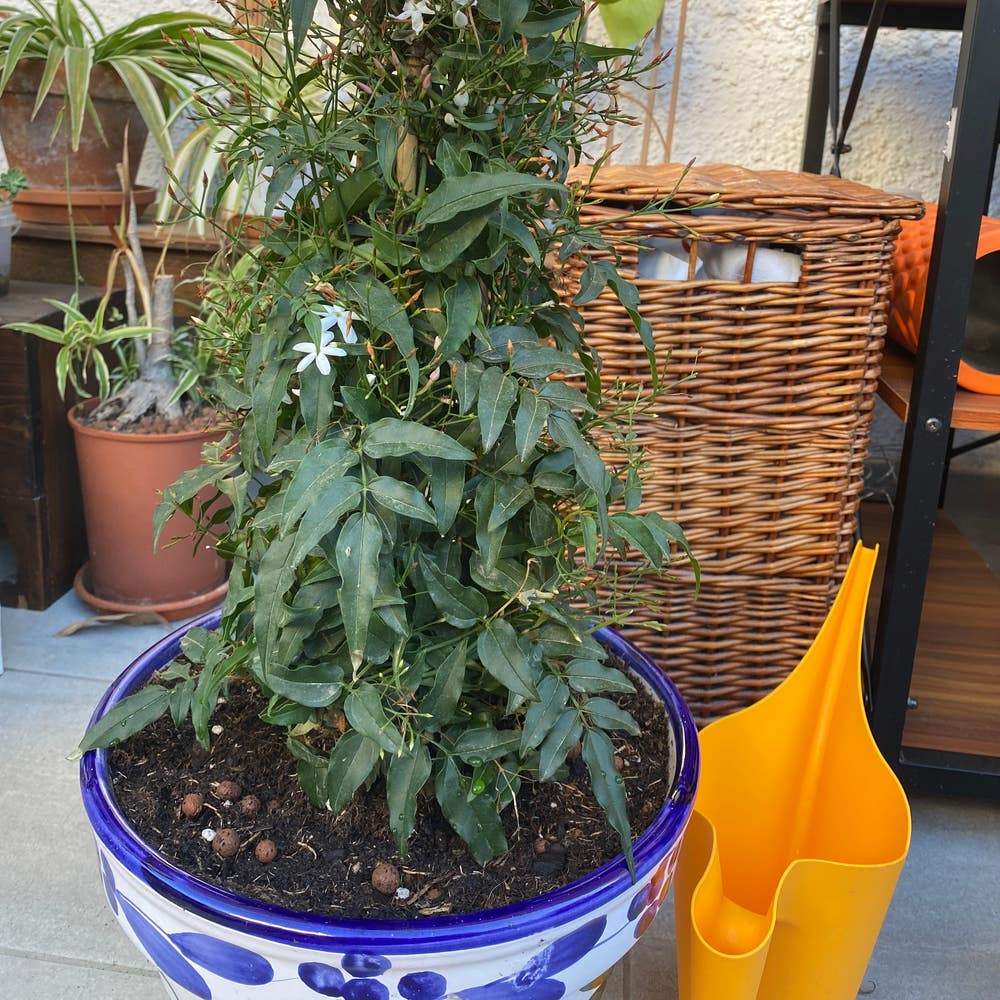
Fertilizing My Pink Jasmine
Jasminum polyanthum
By the Greg Editorial Team
Jun 18, 2024•4 min read
This article was created with the help of AI so we can cover more plants for you. May contain errors. See one? Report it here.
Nurture a stunning Pink Jasmine display 🌸 with our tailored fertilizing secrets for peak blooms.
- Phosphorus boosts blooms; choose fertilizers with higher phosphorus for Pink Jasmine.
- 🌱 Organic vs. Synthetic: Organic for gradual growth, synthetic for quick feeding.
- Timing and frequency matter; fertilize in spring and adjust to prevent overfeeding.
Picking the Perfect Fertilizer for Fabulous Flowers
💪 Understanding the Phosphorus Factor
Phosphorus is the Pink Jasmine's secret weapon for a fragrant bloom fest. This nutrient acts like a pep talk, urging the plant to show off its floral prowess. Look for a fertilizer with a higher phosphorus ratio—think the middle number on the label—to get those blooms going.
🌱 Organic vs. Synthetic: What's Best for Your Blooms?
Organic fertilizers are like a slow-cooked meal for Pink Jasmine—nutrient release is gradual, fostering a strong root system and healthy growth. They're less likely to cause harm with overuse, but patience is key; results aren't instant.
Synthetic options, on the other hand, are the plant equivalent of an energy drink. They deliver a quick, potent nutrient hit that can boost blooming in the short term. However, they're also more likely to lead to overfeeding issues, so a careful hand is required.
When it comes down to it, whether you go organic or synthetic, it's all about the balance of nutrients and how they're delivered to your Pink Jasmine. Keep an eye on the N-P-K ratio and remember: more phosphorus, less nitrogen, and a watchful eye can lead to a blooming bonanza.

Timing is Everything: When to Fertilize for Peak Blooms
⏰ Kickstarting Growth in Spring
Spring heralds a new beginning for your Pink Jasmine, and with it comes the need for a nutrient boost. Early spring fertilization lays the groundwork for the floral spectacle to come. It's like hitting the gas pedal at the start of a race—timing is crucial.
🌸 Adjusting for the Flowering Frenzy
As buds begin to form, it's time to shift gears. Modify your fertilization approach to focus on phosphorus, which encourages those buds to burst into full bloom. Think of it as fine-tuning an instrument before the big concert—precision is key.

The Right Way to Feed Your Fragrant Beauty
💧 Mixing and Applying: A Step-by-Step Guide
Mixing your Pink Jasmine's fertilizer is not a haphazard sprinkle of this and that. It's a precise science. Organic compost is your friend, and a yearly application in late winter or early spring is like a spa day for your plant. If you're itching to do more, a balanced fertilizer with equal parts nitrogen, phosphorus, and potassium (like 10-10-10) during spring can kickstart flowering and growth.
Remember, less is more. Overzealous application can lead to fertilizer burn, so think of it as seasoning food—just enough to enhance, not overpower. When applying, be gentle. Disturbing the roots is a no-go.
📅 Frequency Matters: How Often to Fertilize
Creating a fertilization schedule is like setting up a diet plan for your plant. Regular, smaller meals are better than a feast followed by a famine. After the initial compost application, if you choose to use additional fertilizer, do so sparingly and evenly throughout the growing season.
Overfeeding is a real danger, so follow package directions to a T. It's tempting to shower your Pink Jasmine with love, but too much of a good thing can lead to a bloated, unhappy plant. Aim for a steady supply of nutrients rather than a deluge, and you'll be rewarded with continuous, show-stopping blooms.

Troubleshooting: Signs Your Pink Jasmine is Over-Fed
🚩 Spotting Trouble: From Leaf Burn to Wilting
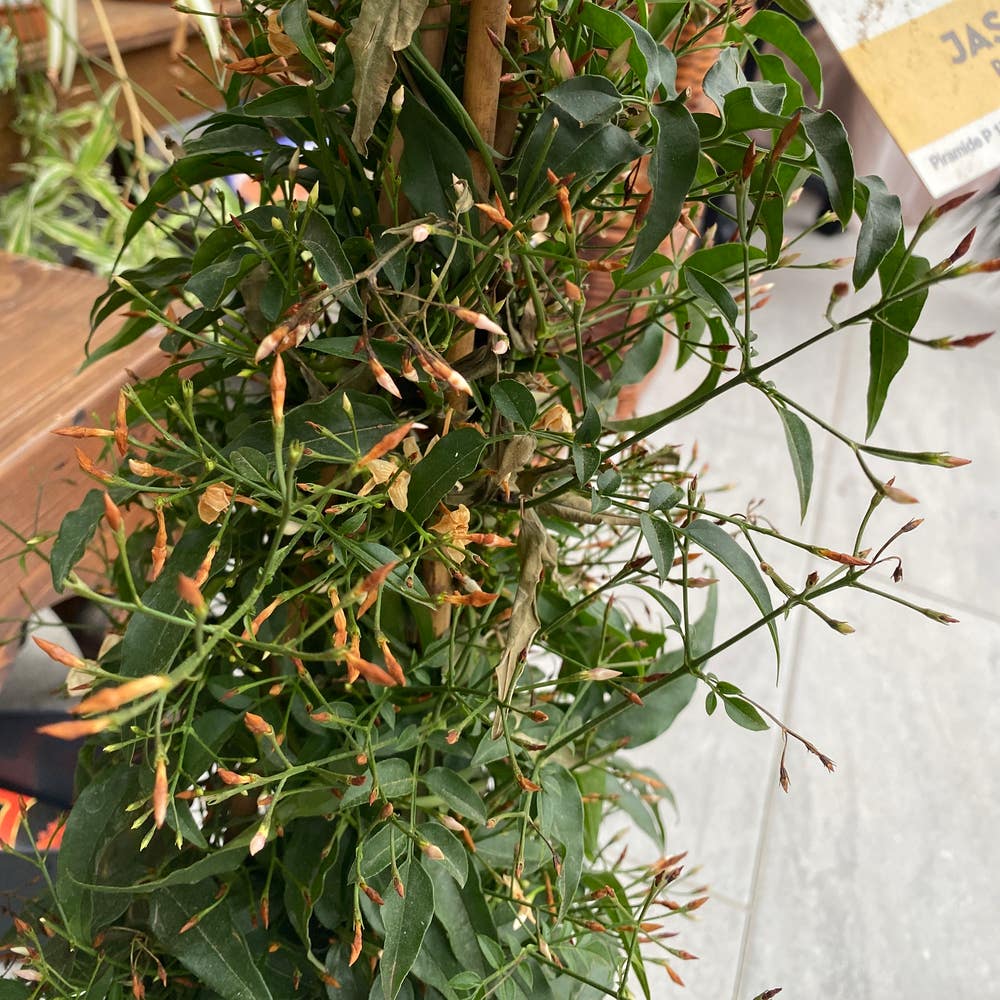
Yellowing leaves waving the white flag of surrender? Burnt tips on foliage? These are your Pink Jasmine's cry for help, signaling an over-fertilization faux pas. A white crust on the soil isn't a badge of honor; it's a telltale sign you've gone overboard with the nutrient love. When the roots look like they've been in a bar brawl, with browning or blackening, it's time to dial it back.
🛠️ The Recovery Plan: Bouncing Back from Over-Fertilization
Caught in the act of overzealous plant parenting? Cease all fertilization stat. Give your Pink Jasmine a breather and flush the soil with water to leach out the excess nutrients. It's like a detox for your plant. Going forward, stick to the recommended dosage and frequency. Remember, it's a plant, not a contestant in a growth competition. Monitor for signs of recovery and adjust care as needed. Your Pink Jasmine's comeback story starts now.
⚠️ Safety First
This content is for general information and may contain errors, omissions, or outdated details. It is not medical, veterinary advice, or an endorsement of therapeutic claims.
Always consult a qualified healthcare professional before using any plant as food, medicine, or supplement.
Never eat any plant (or feed one to pets) without confirming its identity with at least two trusted sources.
If you suspect poisoning, call Poison Control (800) 222-1222, the Pet Poison Helpline (800) 213-6680, or your local emergency service immediately.
Spotted an error? Please report it here.
Ensure your Pink Jasmine flourishes with perfect blooms by using Greg to avoid over-fertilization 🌺, aligning with a phosphorus-focused feeding plan from our guide.