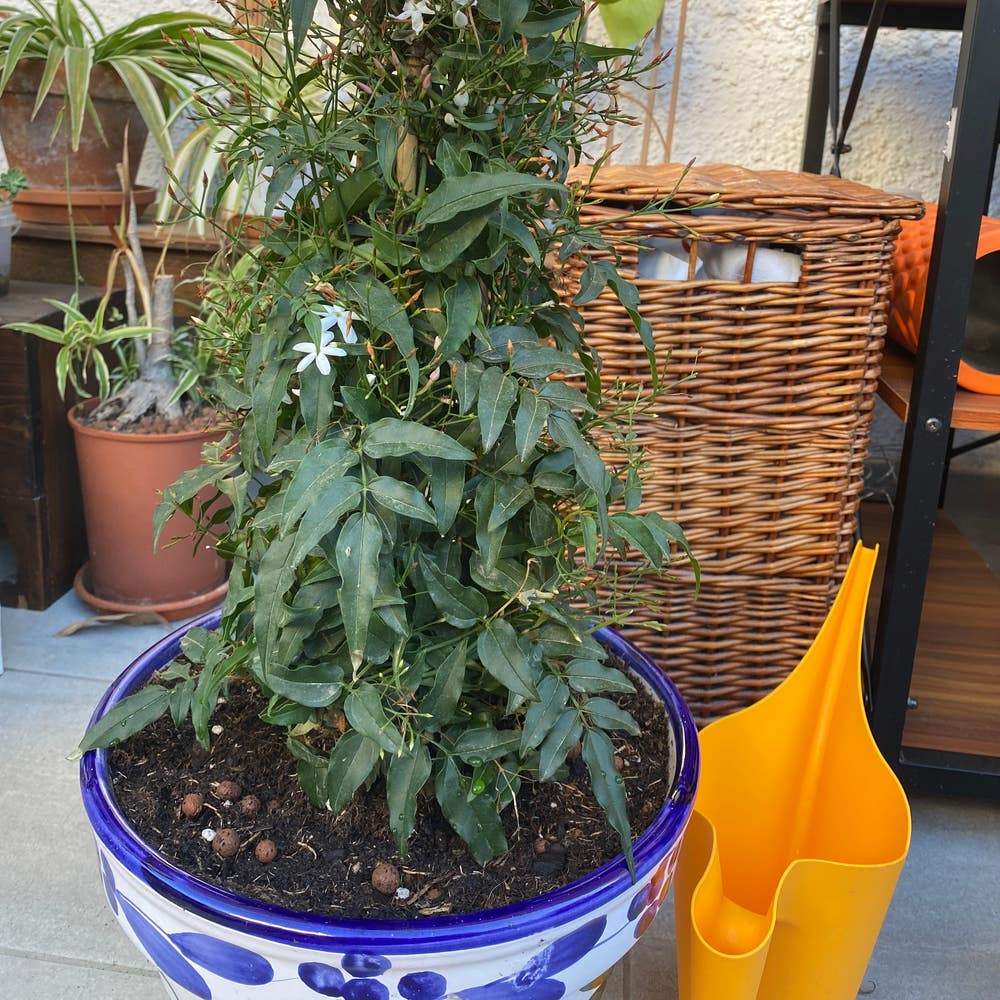
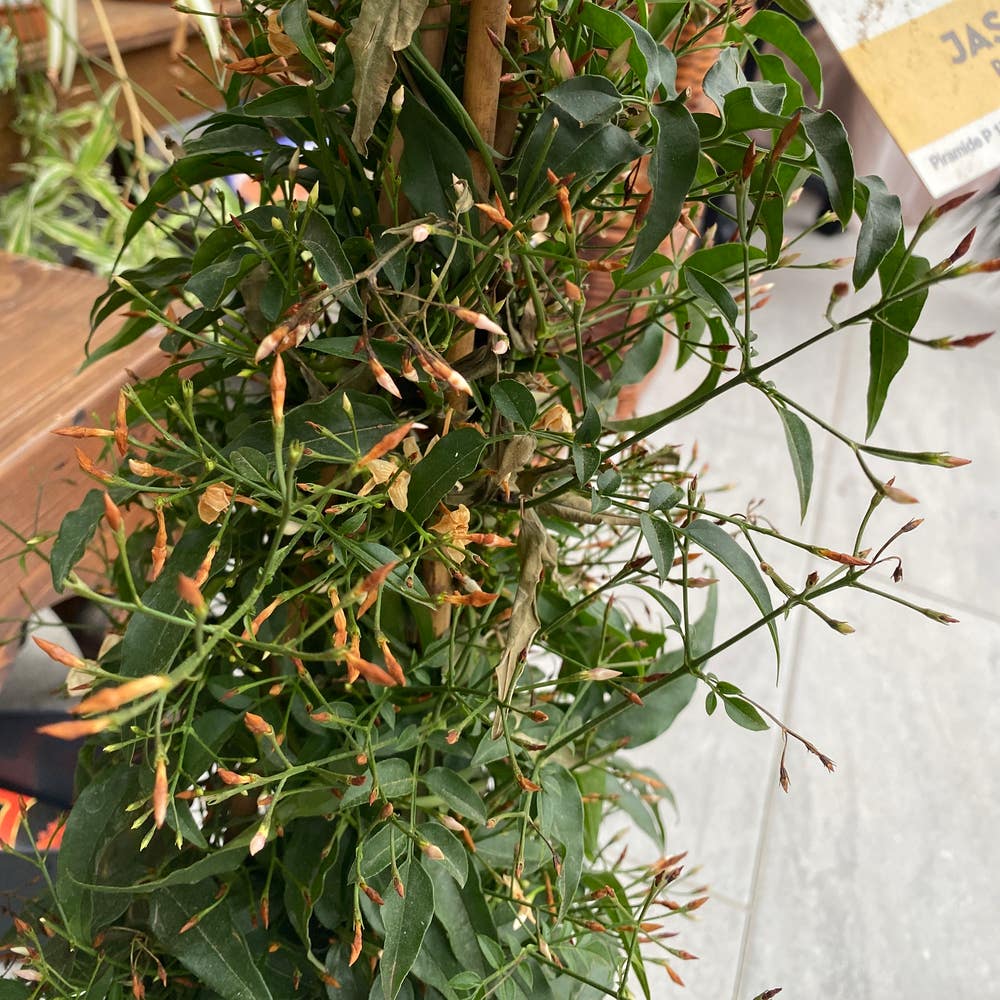
Black Spots on My Pink Jasmine Leaves
Jasminum polyanthum
By the Greg Editorial Team
Jun 18, 2024•4 min read
This article was created with the help of AI so we can cover more plants for you. May contain errors. See one? Report it here.
Banish black spots 🌑 from your Pink Jasmine and keep its leaves pristine with these essential care tips! 🌿
- Fungal and bacterial infections cause black spots on Pink Jasmine.
- Treat with fungicides or bactericides, and remove affected leaves promptly.
- Prevent with good airflow, morning watering, and avoiding wet leaves.
Spotting the Trouble: Identifying Black Spots on Pink Jasmine
🕵️ What You're Looking For
Black spots on Pink Jasmine leaves are like unwanted guests at a garden party. They can appear as small, dark blemishes, often on the underside of leaves. Look for spots with dark margins or concentric rings—these are the telltale signs of a fungal or bacterial crasher.
Not Just Dirt: Recognizing Symptoms
It's easy to mistake these spots for a bit of soil or an innocent shadow, but don't be fooled. If the spots can't be wiped away and are accompanied by yellowing leaves, it's a sign that your plant is sending an SOS. Unlike the harmless speckles from pests or the brown patches from sunburn, these black spots are the plant's way of crying out for help.

Uncovering the Culprits: Causes of Black Spots
🍄 Fungal Foes
Fungi are the undercover agents of the plant world, launching stealth attacks that leave behind their signature: black spots. These spots often show up as circular brown lesions with a yellow halo, the classic mark of a fungal infection. Sooty mold and various leaf spot diseases are the usual suspects, thriving in the damp and the dark, turning your Pink Jasmine's leaves into their personal canvases.
🦠 Bacterial Bullies
Not to be outdone, bacterial diseases also throw their hat in the ring. They create spots that look water-soaked or slimy, sometimes with a distinct odor if things really go south. High humidity and poor air circulation are their best friends, providing the perfect environment for bacteria like Pseudomonas leaf spot to party on your plant's leaves.
Remember, vigilance is key. Keep an eye out for the early signs of these plant pathogens and act before they turn your Pink Jasmine into a polka-dotted spectacle.

Nipping It in the Bud: Treating Black Spots
🍄 Fungicide to the Rescue
When black spots invade your Pink Jasmine, it's time for a strategic strike. Fungicides are your first line of defense. Opt for products containing chlorothalonil or mancozeb for their robust action. Apply as directed—this isn't a free-for-all. Consistency is key, so maintain a regular treatment schedule.
For the eco-conscious, neem oil stands as a natural alternative, pulling double duty against pests. Alternatively, a homemade mix of baking soda, water, and a dash of horticultural oil can alter the leaf's pH to deter fungi. Remember, precision is crucial; measure your ingredients carefully.
🦠 Battling Bacteria
Bacterial infections require a different game plan. Here, bactericides come into play. The goal is to act swiftly—think of it as a race against the bacteria. Isolate the infected plant to prevent a garden-wide epidemic.
Copper-based bactericides are a go-to, offering a less harsh approach while still packing a punch. As with fungicides, follow the label diligently. Overuse can be detrimental, so wield these weapons judiciously.
Early intervention is paramount. At the first sign of trouble, remove affected leaves with sterilized shears. This isn't just pruning; it's an act of preservation. Dispose of the clippings properly—composting is not an option here.
Remember, treating black spots on Pink Jasmine isn't just about the now; it's about ensuring future blooms remain unblemished. Stay vigilant, and your plant will thank you with its vibrant display.

Keeping It Clean: Prevention Strategies
🌬️ Cultural Practices for Plant Health
Airflow is your Pink Jasmine's best friend. Cramped conditions are a no-go; give your plants room to breathe and you'll stave off those pesky black spots. Leaf wetness? Not on your watch. Pruning isn't just for aesthetics; it's a strategic move to reduce moisture and keep fungal invaders at bay.
💧 Smart Watering Habits
Watering is a morning ritual. Get it done early to allow leaves to dry out, reducing the nightclub vibe that fungi love. Keep the soil's thirst quenched but not drowned; think moist, not swampy. Overhead watering is the enemy – aim at the soil, not the leaves, to keep them as dry as possible.
🧼 Sanitation and Plant Care
Cleanliness is next to godliness, and that applies to your garden too. Remove fallen leaves like you're clearing out junk mail – promptly and without mercy. Sterilize your tools with the zeal of a surgeon to prevent spreading any plant pathogens. And when it comes to pots and planting media, think sterile, think pristine. It's like setting up a clean room for your Pink Jasmine.
⚠️ Safety First
This content is for general information and may contain errors, omissions, or outdated details. It is not medical, veterinary advice, or an endorsement of therapeutic claims.
Always consult a qualified healthcare professional before using any plant as food, medicine, or supplement.
Never eat any plant (or feed one to pets) without confirming its identity with at least two trusted sources.
If you suspect poisoning, call Poison Control (800) 222-1222, the Pet Poison Helpline (800) 213-6680, or your local emergency service immediately.
Spotted an error? Please report it here.
Prevent black spots on your Pink Jasmine with Greg's timely watering reminders 💧, ensuring your plant stays healthy and thriving by avoiding over-moist conditions!