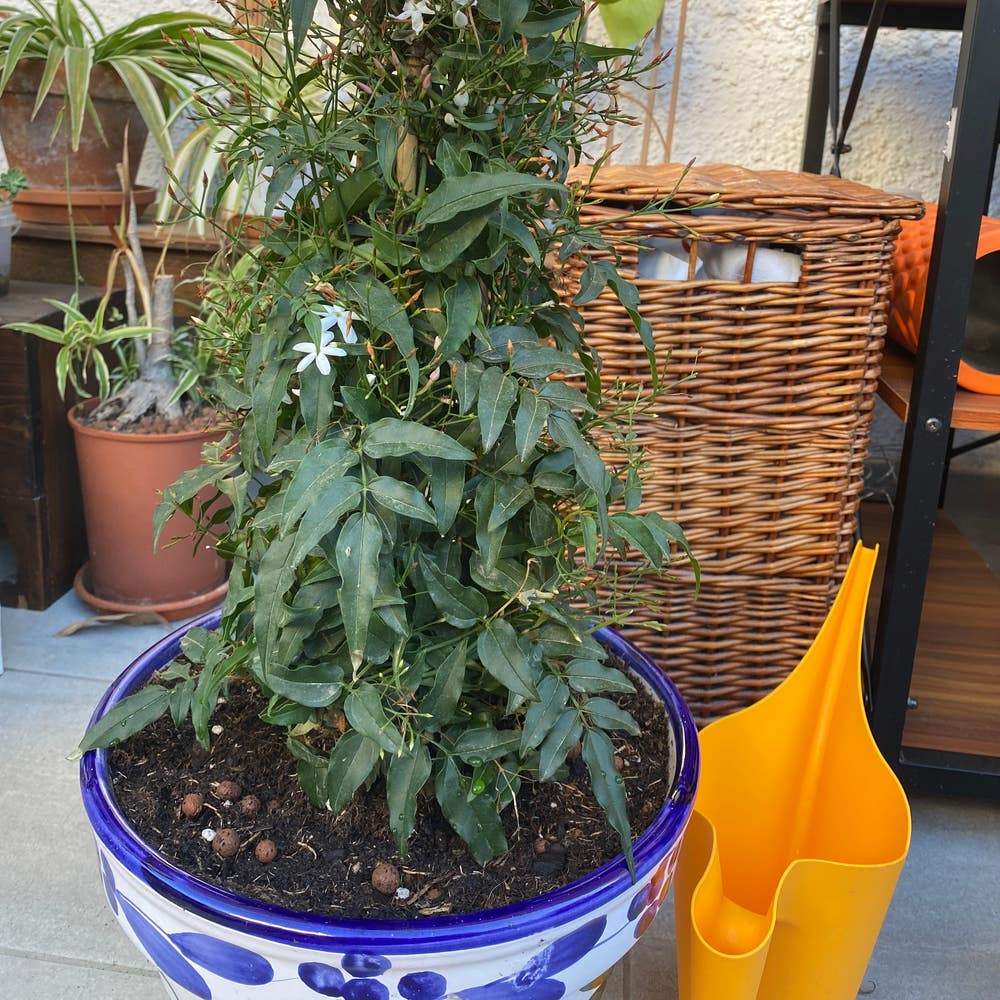
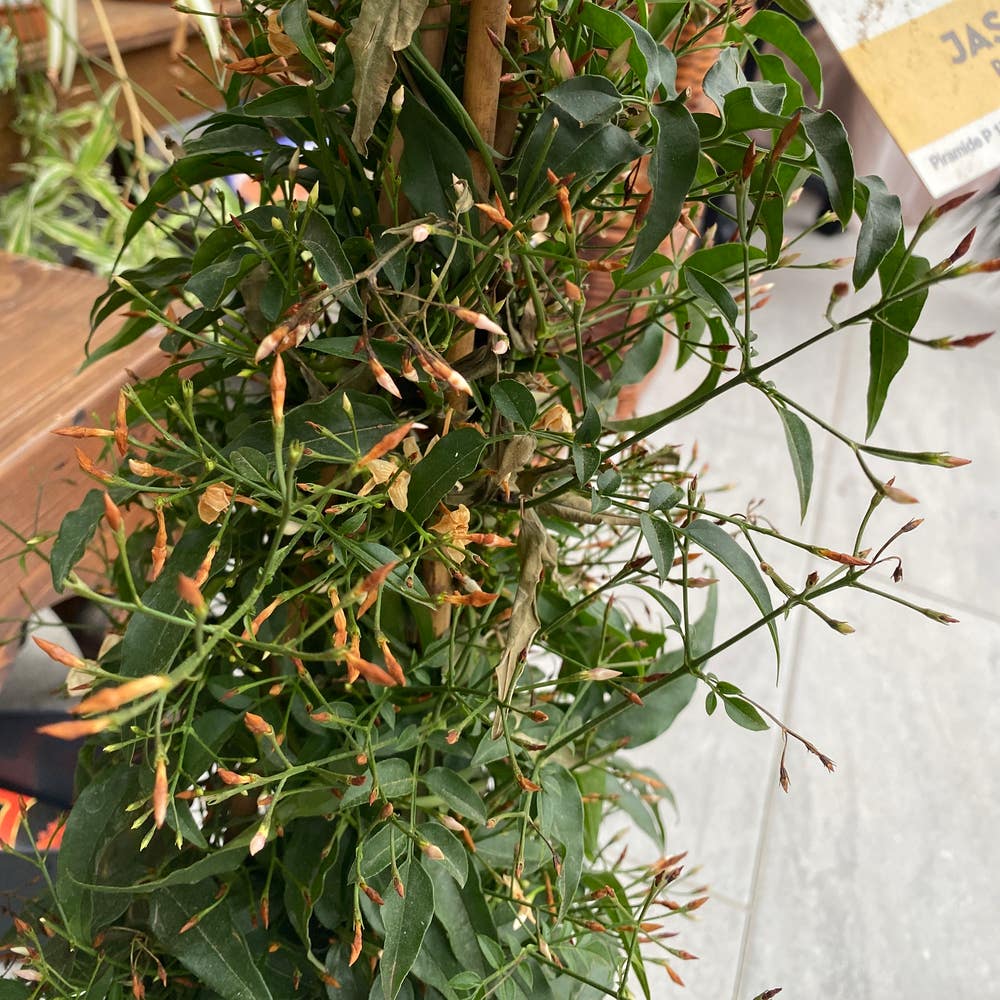
Why Are My Pink Jasmine Leaves Droopy? 😔
Jasminum polyanthum
By the Greg Editorial Team
Jun 18, 2024•3 min read
This article was created with the help of AI so we can cover more plants for you. May contain errors. See one? Report it here.
Rescue your Pink Jasmine from droopiness 🌿 and keep it thriving with these key care strategies!
- Under/overwatering causes droopiness, find the watering sweet spot.
- 🌡️🌞 Bright, indirect light and stable temperature prevent droopy leaves.
- Nutrient balance is key, use slow-release fertilizer for health.
Pinpointing the Culprits Behind Droopy Leaves
🚰 Underwatering Woes
Thirsty Pink Jasmine leaves can appear limp and lifeless. They may also curl inward, trying to conserve moisture. If the soil feels like a desert, it's a clear sign your plant needs water.
To hydrate your plant, water deeply until excess drains out—think of it as a satisfying gulp rather than a mere sip. Be cautious not to flood; your plant isn't looking to swim.
🚱 Overwatering Mishaps
Leaves that are yellow and dropping hint at overwatering. A soggy, waterlogged soil is a no-go for Pink Jasmine's roots.
Adjust your watering routine by checking the soil moisture before giving it a drink. Aim for damp, not drenched, to keep your plant's feet happy.
🌞 Light and Temperature: Getting It Just Right
Droopy leaves can also result from too much direct sunlight or fluctuating temperatures. Think of your plant as preferring a stable environment, not a roller coaster ride.
Find a spot with bright, indirect light and a consistent temperature to maintain perkiness. Your Pink Jasmine will thank you with upright leaves.
🍽️ Nutrient Needs and Deficiencies
A lack of nutrients can lead to weak, droopy leaves. Your Pink Jasmine might be silently begging for a balanced diet.
Incorporate a balanced, slow-release fertilizer to provide a steady supply of nutrients. It's like a multivitamin for your plant, ensuring it has the strength to stand tall.

Reviving Droopy Leaves
🚑 Immediate First Aid for Your Pink Jasmine
When your Pink Jasmine starts to slouch, spring into action. First, give the soil a feel; if it's dry, it's time to water. But hold your horses—don't drown it in your panic. Moderation is key. If the soil's soggy, let it dry out. Move your plant to a bright spot but avoid direct sunlight that can scorch its delicate leaves.
🌱 Long-Term Care for Lasting Perkiness
For the long haul, consistency is your new best friend. Establish a routine—water when the top inch of soil feels dry, prune any damaged leaves to redirect energy, and keep an eye out for pests. They're sneaky little buggers that can cause droopiness. If you spot any, show them the door with insecticidal soap or neem oil. Remember, your plant's not just for decoration; it's a living thing that craves attention and care.

Keeping Your Pink Jasmine Perky: Prevention Tactics
💧 The Watering Sweet Spot
Finding the watering sweet spot for Pink Jasmine is like cracking a safe – it takes patience and attention to detail. Water when the top inch of soil is dry, but before your plant starts belting out the blues with droopy leaves. Remember, it's a balancing act; too much and you'll drown the roots, too little and you'll dehydrate them.
🌞 The Ideal Light and Temperature Balance
Pink Jasmine is as picky about its sunbathing as a Hollywood starlet. It craves bright, indirect light and a consistent temperature that doesn't swing more than a jazz band. Keep it away from drafts and direct AC blasts, and you'll avoid the droop.
🍽️ Nutritional Vigilance
When it comes to feeding, Pink Jasmine isn't a glutton. It needs a yearly repotting with fresh soil, which usually suffices for nutrients. If you're a helicopter plant parent, resist the urge to over-fertilize. Think of it as a well-balanced diet – everything in moderation.

⚠️ Safety First
This content is for general information and may contain errors, omissions, or outdated details. It is not medical, veterinary advice, or an endorsement of therapeutic claims.
Always consult a qualified healthcare professional before using any plant as food, medicine, or supplement.
Never eat any plant (or feed one to pets) without confirming its identity with at least two trusted sources.
If you suspect poisoning, call Poison Control (800) 222-1222, the Pet Poison Helpline (800) 213-6680, or your local emergency service immediately.
Spotted an error? Please report it here.
Keep your Pink Jasmine's leaves perky 🌿 by letting Greg guide you to the sweet spot in watering and lighting, ensuring your plant thrives without the guesswork.