What Do I Do About Pink Jasmine Root Rot?
Jasminum polyanthum
By the Greg Editorial Team
Jun 18, 2024•5 min read
This article was created with the help of AI so we can cover more plants for you. May contain errors. See one? Report it here.
Rescue your beloved Pink Jasmine from root rot and ensure its vibrant future with these key insights 🌺💪.
- Yellow leaves and mushy roots signal Pink Jasmine root rot.
- Immediate pruning and fungicide can save your Pink Jasmine.
- Prevent with well-draining soil, proper pot, and vigilant care.
Spotting the Red Flags: Symptoms of Root Rot in Pink Jasmine
🚩 Visual Distress Signals
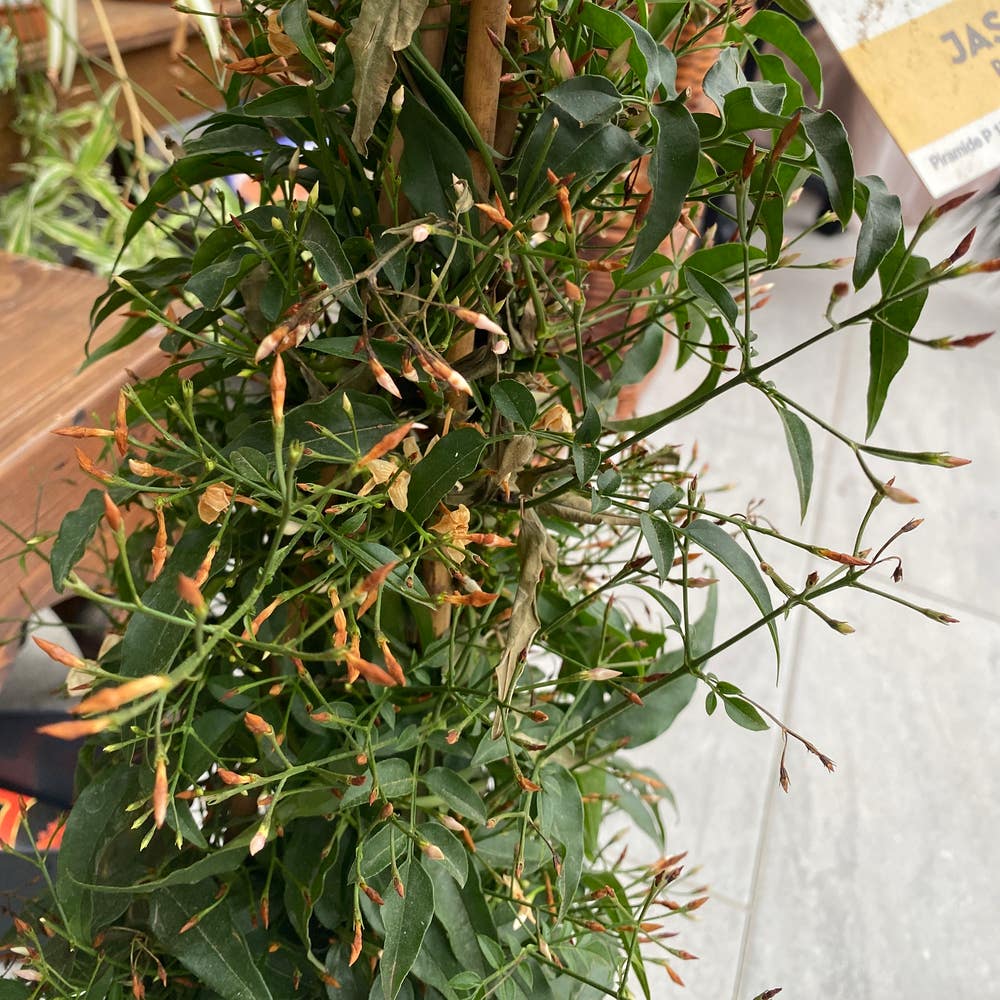
Yellowing leaves on your Pink Jasmine are warning flags; they're not just going through a phase. Wilting is the plant's way of saying, "I'm not okay." And if the soil smells like last week's forgotten leftovers, that's a red alert for root rot.
🕵️♂️ Root Inspection 101
To check your Pink Jasmine's roots without causing a scene, gently remove the plant from its pot. Mushy, discolored roots spell trouble. In contrast, healthy roots should be firm and a vibrant white, not dressed in shades of decay.

First Response: Treating Root Rot in Pink Jasmine
🌱 Immediate Actions to Take
When you spot the dreaded root rot in your Pink Jasmine, act fast. First, stop watering immediately—your plant is not in the mood for a swim. Isolate it from its green buddies to prevent an outbreak. Gently unpot the plant and brace yourself for a root inspection. Healthy roots are firm and white, while rotten ones are mushy and brown—like a bad apple, they need to go. With sterilized shears, prune the affected roots; cleanliness is crucial, so disinfect those shears before and after. Let the roots have some air, then repot in fresh, well-draining soil. Hold off on the water; let the plant settle first.
🌿 Aftercare and Recovery
Post-trim, consider a copper-based fungicide—it's like an antiseptic for your plant's wounds. Follow the label's instructions like it's a treasure map. When choosing new soil, think breathable and supportive, like the perfect pair of running shoes for your plant's roots. Ensure the pot has drainage holes; it's non-negotiable. Moving forward, keep your tools clean and your plant's environment tidy—think of it as hygiene for horticulture. Monitor your Pink Jasmine like a hawk and adjust your care routine to prevent a repeat performance.

Water Wisdom: Balancing Moisture to Prevent Root Rot
💧 The Goldilocks Principle: Not Too Much, Not Too Little
Finding the ideal watering frequency for Pink Jasmine is like tuning a guitar – it needs to be just right. Overwatering leads to a soggy, root-rot inviting mess, while underwatering turns your plant into a parched, wilting wallflower. To hit the sweet spot, water when the top inch of soil feels dry to the touch.
Adjust your watering schedule with the seasons. Pink Jasmine drinks more during the growth season and less when it's taking a winter snooze. If leaves start to yellow or drop, it's your cue to reassess your watering rhythm.
🌱 Soil and Drainage Mastery
Choosing the right soil mix is crucial for Pink Jasmine's health. A well-draining, airy mix prevents waterlogging, a root rot red carpet. Mix in some perlite or sand to keep the roots breathing easy.
Pot drainage is non-negotiable. Ensure your pot has adequate drainage holes to let excess water escape. If your plant's feet are constantly wet, it's only a matter of time before root rot waltzes in. If you're second-guessing your pot's drainage, it's time for an upgrade.

The Best Offense is a Good Defense: Preventative Measures
🌱 Pot and Environment Selection
Selecting the right pot for your Pink Jasmine is like choosing a comfortable pair of shoes; it needs to fit well and offer support. Pot size matters; too large, and the soil stays wet longer than necessary, inviting root rot. Too small, and the roots can't breathe or grow properly. Opt for a pot that's just right, with ample drainage holes to prevent water from pooling at the bottom.
Materials also play a role. Terracotta pots are porous, allowing soil to dry more evenly, while plastic pots retain moisture longer. Consider your watering habits and choose accordingly.
Creating a hostile environment for root rot pathogens is your next line of defense. Ensure your Pink Jasmine isn't sitting in a stagnant, humid corner. Air circulation is crucial; think of it as giving your plant room to breathe. Avoid placing your plant in a location where it's subjected to constant temperature fluctuations, as this can stress the plant and make it more susceptible to diseases.
🕵️ Ongoing Vigilance
Routine checks are your secret weapon in the fight against root rot. Inspect your Pink Jasmine regularly for signs of distress, such as yellowing leaves or a general lack of vigor. Don't wait for a full-blown crisis; at the first hint of trouble, investigate and address potential issues.
Maintenance is key. Keep the area around your plant clean and free of debris, which can harbor harmful bacteria and fungi. Sanitize your tools before and after use to prevent the spread of disease.
Rotate your Pink Jasmine periodically to promote even growth and prevent the buildup of moisture in one area. This isn't just for symmetry; it's a strategic move against root rot.
By implementing these preventative measures, you're not just avoiding root rot; you're cultivating a thriving, resilient Pink Jasmine.
⚠️ Safety First
This content is for general information and may contain errors, omissions, or outdated details. It is not medical, veterinary advice, or an endorsement of therapeutic claims.
Always consult a qualified healthcare professional before using any plant as food, medicine, or supplement.
Never eat any plant (or feed one to pets) without confirming its identity with at least two trusted sources.
If you suspect poisoning, call Poison Control (800) 222-1222, the Pet Poison Helpline (800) 213-6680, or your local emergency service immediately.
Spotted an error? Please report it here.
Swiftly tackle Pink Jasmine root rot and prevent it from returning with custom care alerts 🛎 from Greg, ensuring your blooms stay vibrant and healthy.