🌸 Step-by-Step Guide to Understanding Pink Jasmine Lifecycle
Jasminum polyanthum
By the Greg Editorial Team
Oct 09, 2024•5 min read
This article was created with the help of AI so we can cover more plants for you. May contain errors. See one? Report it here.
Cultivate stunning pink jasmine 🌸 from seed to bloom with this essential growth guide for every gardener!
- 🌱 Pink jasmine germinates in 2-3 weeks with optimal warmth and moisture.
- ☀️ Indirect sunlight is vital for successful seed germination and healthy growth.
- 🌼 Flowers appear 1-2 years after planting, attracting pollinators and enhancing your garden.
Germination Stage
🌱 Duration of Germination
The germination period for pink jasmine typically spans 2-3 weeks. To kickstart this process, aim for a temperature range of 70°F to 80°F (21°C to 27°C) and ensure the soil remains consistently moist but not waterlogged.
🌿 Conditions for Successful Germination
For optimal germination, use a well-draining potting mix. This helps prevent root rot and promotes healthy growth.
💡 Light Requirements
Provide indirect sunlight to avoid overheating the seeds. Too much direct light can hinder their development.
💧 Seed Preparation
Enhance germination by soaking the seeds in water for 24 hours before planting. This simple step can significantly improve your success rate.
By understanding these initial stages, you're setting the foundation for a thriving pink jasmine plant. Next, we’ll explore the exciting seedling stage, where your efforts begin to take shape.
Seedling Stage
🌱 Characteristics of Seedlings
During the seedling stage, pink jasmine showcases small, tender leaves that exhibit a light green hue. This vibrant color signals healthy growth as the plant establishes its roots and initial foliage.
⏳ Duration of the Seedling Stage
This stage lasts approximately 4-6 weeks, a crucial period for development. You'll know your seedlings are ready to transition when they develop 2-3 sets of true leaves, indicating they're on the right track.
As you nurture your seedlings, remember that this phase sets the foundation for future growth. Providing the right care now will lead to a thriving plant in the subsequent stages.
Next, we’ll explore the vegetative growth stage, where your pink jasmine will really start to take off!
Vegetative Growth Stage
🌱 Description of Vegetative Growth
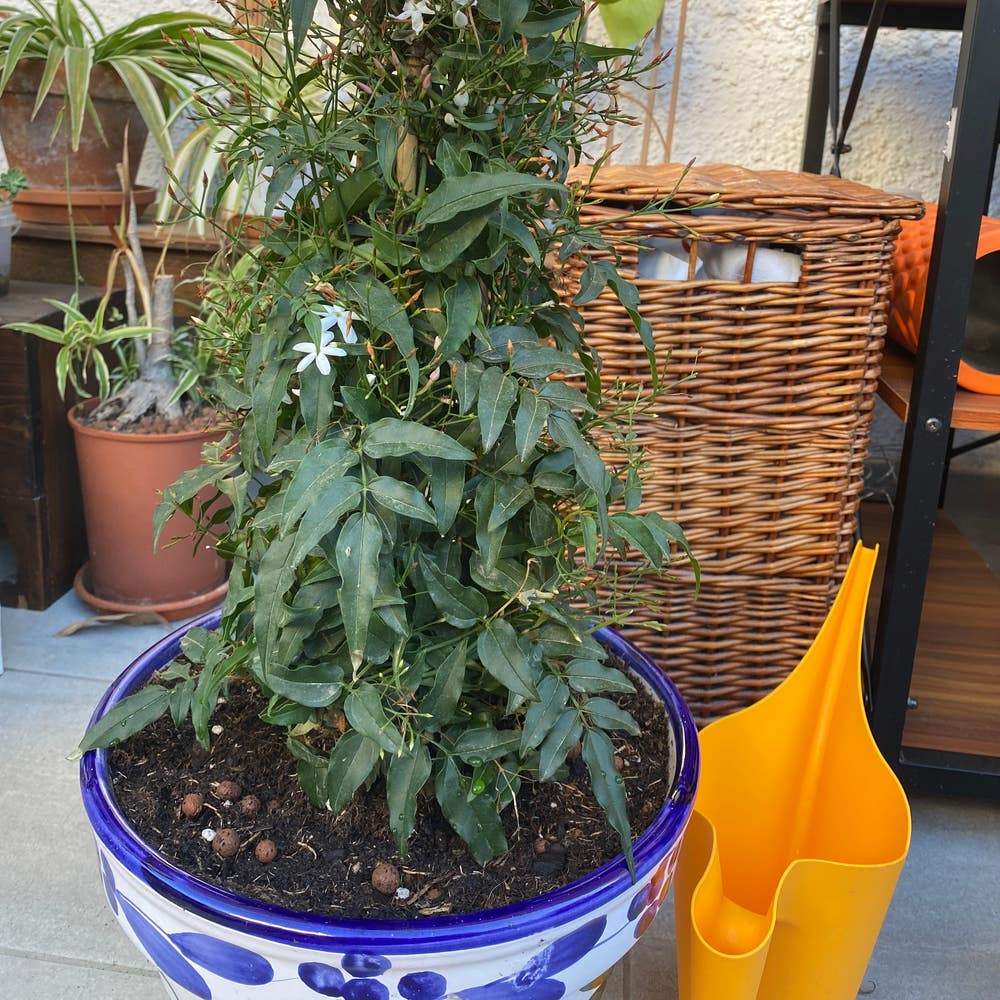
During the vegetative growth stage, Pink Jasmine experiences rapid stem elongation and leaf development. You’ll notice the leaves transform into dark green, glossy structures, each capable of reaching up to 3 inches long.
⏳ Duration and Conditions for Optimal Growth
This stage typically lasts between 1 to 2 years, influenced by environmental factors.
Ideal Conditions
- Sunlight: Ensure your plant receives full sun to partial shade, aiming for at least 6 hours of sunlight daily.
- Watering: Regular watering is crucial; keep the soil moist but avoid waterlogging.
- Fertilization: Feed your plant monthly with a balanced fertilizer during the growing season to support its vigorous growth.
By providing these optimal conditions, you’ll set the stage for a thriving Pink Jasmine plant. As it grows, you’ll witness its climbing habit develop, making it a beautiful addition to your garden.
Next, we’ll explore the flowering and seed production stage, where the plant truly begins to showcase its beauty.
Flowering and Seed Production
🌸 Timing of Flowering
Pink jasmine typically begins to flower 1-2 years after planting. The peak blooming season occurs in late winter to early spring, filling your garden with delightful scents.
🌼 Characteristics of Flowers
The flowers are small and tubular, showcasing a beautiful range from white to pale pink. Their highly fragrant aroma attracts a variety of pollinators, including bees and butterflies, making your garden a lively ecosystem.
🌱 Process of Seed Production
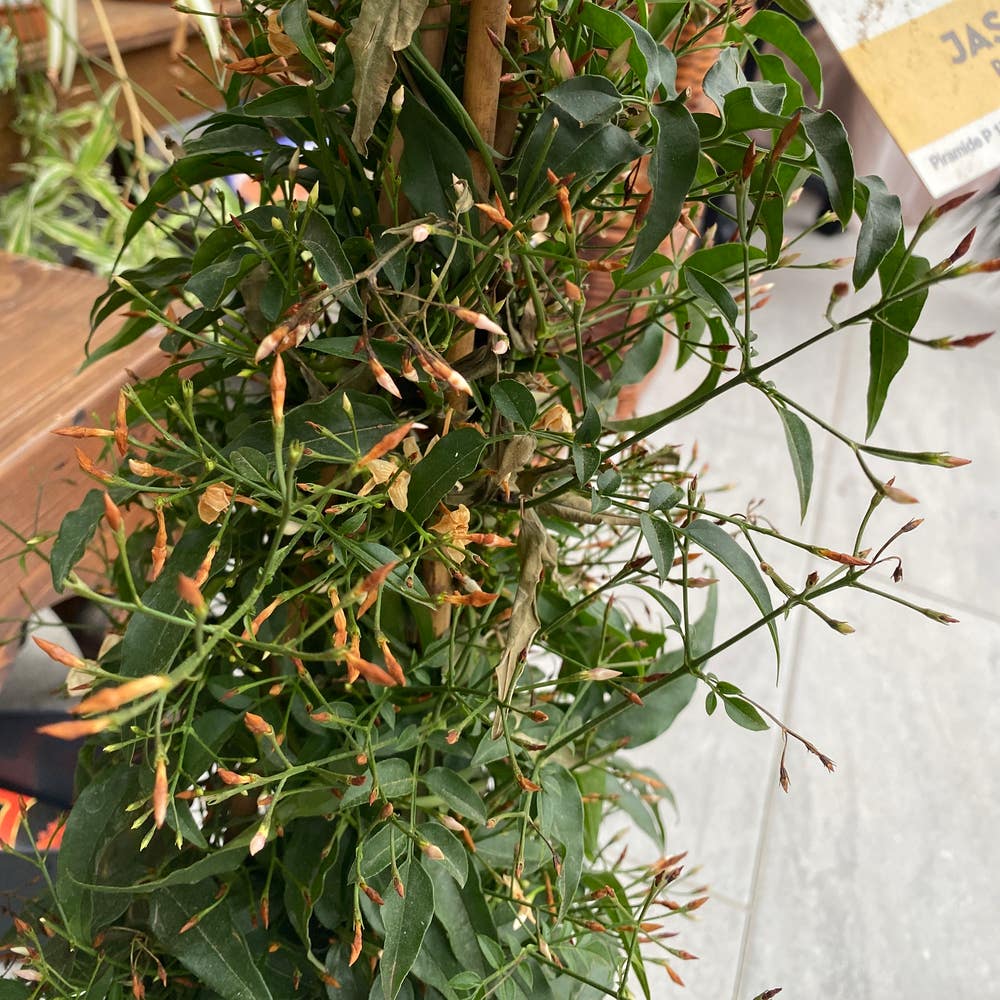
After successful pollination, seed formation takes place within 2-3 months. The seeds are small and dark, nestled within pods that develop after flowering.
⏳ Duration and Conditions for Seed Maturation
Seeds take about 3-4 months to mature after flowering. To support this process, warm temperatures and adequate moisture are essential, ensuring the seeds develop properly.
As you observe the flowering and seed production stages, you'll notice how vibrant and dynamic pink jasmine can be. This phase not only enhances the beauty of your garden but also sets the stage for future growth and propagation. Next, we’ll explore the growth rate and maturation of this stunning plant.
Growth Rate and Maturation
🌱 How Fast Does Pink Jasmine Grow?
Pink jasmine is a vigorous grower, capable of reaching up to 10 feet per year under optimal conditions. Factors like climate and soil quality significantly influence its growth rate.
- Climate: Warmer climates typically promote faster growth.
- Soil Quality: Nutrient-rich, well-draining soil enhances overall growth.
⏳ How Long Until Fully Grown?
The timeframe for pink jasmine to reach full maturity is generally between 3 to 5 years. Indicators of maturity include a full vine length of up to 20 feet and an abundance of flowers.
🔄 Notable Changes Throughout the Lifecycle
As pink jasmine progresses through its lifecycle, it undergoes several visual and care-related changes.
Visual Changes at Each Stage
- Germination: Small seedlings emerge from the soil.
- Seedling: True leaves develop, and the plant begins to climb.
- Vegetative: Rapid stem elongation and leaf expansion occur.
- Flowering: Fragrant blooms make their appearance.
- Seed Production: Seed pods form after successful flowering.
Changes in Care Needs
Care requirements evolve as the plant matures:
- Initial Care: During germination, maintain higher moisture levels and protect from direct sunlight.
- Mature Care: Regular pruning is essential to encourage bushier growth and remove any dead or diseased stems.
Environmental Adaptations
Pink jasmine showcases remarkable adaptability throughout its lifecycle:
- Climbing Habit: The plant naturally seeks sunlight by climbing on nearby structures.
- Resilience: Once established, it thrives in various soil types and can tolerate some drought.
Understanding these growth patterns and care needs will help you nurture your pink jasmine effectively. As we transition to the next stage, let's explore the flowering and seed production process.
⚠️ Safety First
This content is for general information and may contain errors, omissions, or outdated details. It is not medical, veterinary advice, or an endorsement of therapeutic claims.
Always consult a qualified healthcare professional before using any plant as food, medicine, or supplement.
Never eat any plant (or feed one to pets) without confirming its identity with at least two trusted sources.
If you suspect poisoning, call Poison Control (800) 222-1222, the Pet Poison Helpline (800) 213-6680, or your local emergency service immediately.
Spotted an error? Please report it here.
Master the lifecycle of pink jasmine 🌼 with Greg's tailored care reminders, ensuring your plant flourishes from seed to stunning bloom!