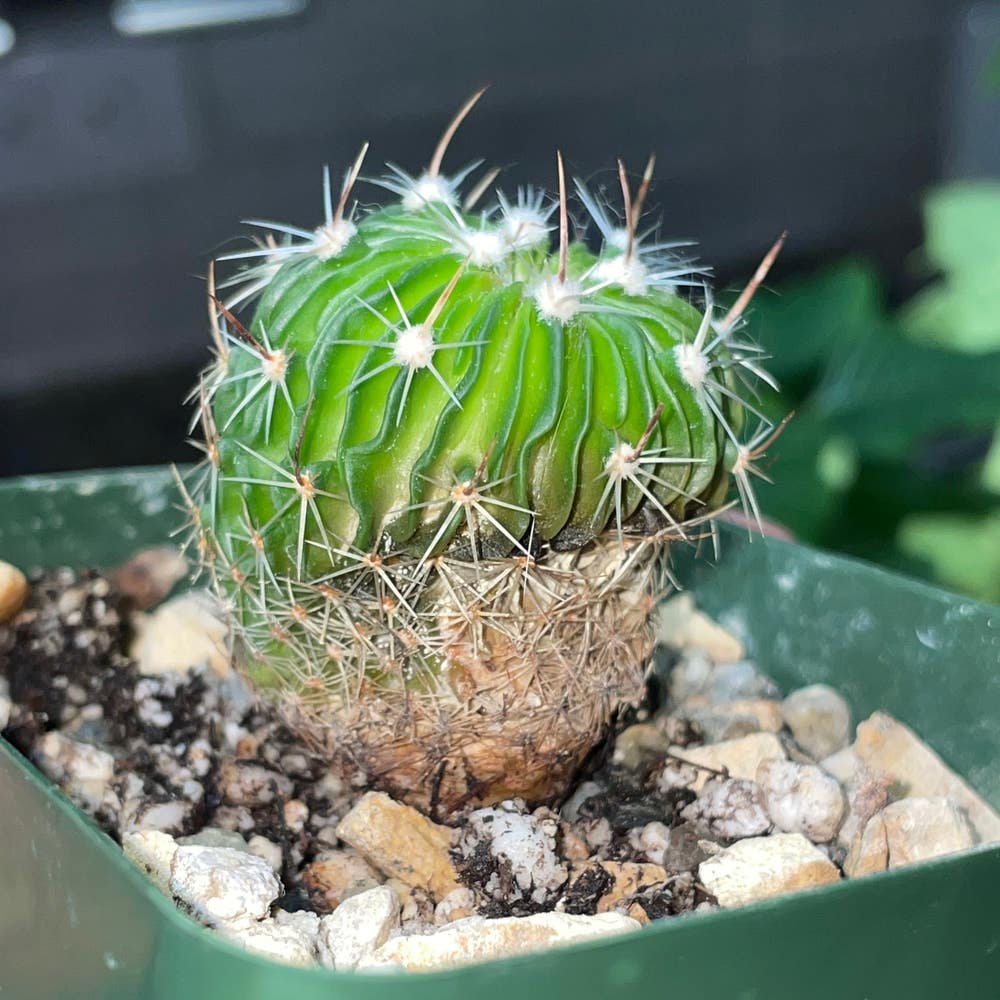
What's Eating Your Hooked Cactus? 🐞
Thelocactus conothelos
By the Greg Editorial Team
Sep 30, 2024•5 min read
This article was created with the help of AI so we can cover more plants for you. May contain errors. See one? Report it here.
Safeguard your Hooked Cactus from pesky herbivores 🌿 with these essential tips for a flourishing garden! 🌵
- 🦌 Identify common herbivores like deer and rabbits that threaten your hooked cactus.
- 🔍 Look for signs of damage such as droppings and gnaw marks to assess threats.
- 🌱 Use organic repellents like cayenne pepper to protect your cactus naturally.
Common Herbivores and Their Impact
🦌 Deer
Signs of presence and damage caused
Look for hoof prints near your cactus; these tracks indicate deer activity. Additionally, you may notice leaves and young shoots stripped clean, a clear sign of their browsing habits.
Beneficial vs. harmful interaction
Deer interactions are generally harmful. They can decimate cactus populations, leading to significant plant loss.
Deterrent methods
To keep deer at bay, consider installing 8-foot tall fences. These barriers can effectively prevent access. You can also use commercial deer repellents or plant strong-smelling herbs nearby for an organic approach.
🐇 Rabbits
Signs of presence and damage caused
Rabbits leave small, round droppings near the cactus. You might also see clean cuts on leaves and stems, indicating they’ve been munching.
Beneficial vs. harmful interaction
Rabbits are generally harmful to your cactus. Their feeding can lead to significant plant damage.
Deterrent methods
Low barriers, about 2-3 feet high, can effectively deter rabbits. You can also spray cayenne pepper around the cactus as an organic repellent.
🐿️ Squirrels
Signs of presence and damage caused
Look for nests in nearby trees as evidence of squirrel activity. Scratching and gnawing on the cactus indicate they’re causing bark damage.
Beneficial vs. harmful interaction
Squirrels are generally harmful. Their activities can lead to structural damage to your cactus.
Deterrent methods
Bitter-tasting sprays can serve as effective chemical deterrents. Additionally, scare tactics like hanging reflective objects can help keep squirrels away.
🐦 Birds
Signs of presence and damage caused
Pecking marks on fruits and flowers are a telltale sign of bird activity. You may also find droppings containing seeds near your cactus.
Beneficial vs. harmful interaction
Bird interactions are mixed. While some birds help pollinate, others consume fruits, potentially harming your cactus.
Deterrent methods
Covering fruits with bird netting is an easy way to protect them. You can also hang shiny objects to deter birds from getting too close.
🐭 Rodents (mice, voles, etc.)
Signs of presence and damage caused
Look for small burrows near the base of the cactus. Gnaw marks on roots and stems indicate rodent activity.
Beneficial vs. harmful interaction
Rodents are generally harmful. Their feeding can lead to root damage and overall plant decline.
Deterrent methods
Setting traps around your garden can help manage rodent populations. You can also use peppermint oil around the base as an organic repellent.
🦡 Groundhogs/Woodchucks
Signs of presence and damage caused
Large burrows near the cactus are a clear sign of groundhog activity. Chewed stems indicate significant damage to the lower parts of the plant.
Beneficial vs. harmful interaction
Groundhogs are generally harmful. They can severely damage or even kill your cactus.
Deterrent methods
Deep barriers can prevent groundhogs from burrowing. Additionally, consider using commercial repellents specifically designed for these animals.
Understanding these common herbivores and their impacts is crucial for protecting your hooked cactus. By implementing effective deterrent methods, you can create a thriving environment for your plants. Next, let’s explore general strategies for protection against these herbivores.
General Strategies for Protection
🛡️ Preventive Measures for Protecting Hooked Cactus
Regular monitoring is essential for safeguarding your Hooked Cactus. Check for signs of animal activity, such as tracks or droppings, to catch potential threats early.
Strategic planting can also help deter herbivores. Consider using companion plants that emit strong scents or have textures that animals find unappealing.
⚠️ Reactive Solutions for Managing Animal Interactions
When you notice damage, immediate action is crucial. Identifying the source of the problem quickly can prevent further harm to your cactus.
Integrated pest management combines various methods for effective control. This approach allows you to tailor your strategy based on the specific herbivores affecting your plants.
🌱 Balancing Ecosystem Health While Protecting Plants
Understanding the role of herbivores in the ecosystem is vital. While some animals can be harmful, others contribute positively, such as pollinators.
Promoting beneficial interactions while minimizing harm is key. Strive for a balanced ecosystem that supports both your cactus and the wildlife around it.
By implementing these strategies, you can protect your Hooked Cactus while fostering a healthy environment. Next, let’s explore seasonal considerations that affect herbivore activity.
Seasonal Considerations
🐾 Seasonal Variations in Animal Attraction
As the seasons change, so does the activity around your Hooked Cactus. In spring, animals awaken from hibernation, leading to increased foraging behavior.
During summer, the cactus enters its peak fruiting season, making it a magnet for various herbivores. This is when you'll likely see the most damage, as animals are drawn to the succulent fruits and tender shoots.
⏰ Timing of Plant Vulnerability
Understanding when your cactus is most vulnerable is crucial. Young shoots and fruits are particularly susceptible during their early growth stages.
This is the time to be vigilant, as herbivores are actively seeking out these nutritious parts of the plant. Regular monitoring can help you catch any issues before they escalate.
By being aware of these seasonal patterns, you can better protect your Hooked Cactus and ensure its health throughout the year. This knowledge sets the stage for effective management strategies, which we’ll explore next.
Toxicity and Safety
🦙 Toxic Effects of Hooked Cactus on Animals
The Hooked Cactus can be a double-edged sword for herbivores. Its spines and sap contain irritants that can deter many animals from munching on it.
Some herbivores may attempt to nibble, but the unpleasant taste often leads them to think twice. This natural defense mechanism helps the cactus survive in the wild.
🐾 Implications for Herbivores Consuming the Plant
Understanding which animals might be affected by the cactus is crucial for managing interactions. While some animals may experience discomfort, others might not be deterred at all.
Monitoring local wildlife can provide insights into which species are likely to approach your cactus. This knowledge allows you to implement effective deterrent strategies, ensuring your Hooked Cactus remains safe and thriving.
As you navigate the challenges of protecting your cactus, remember that knowledge is power. By understanding the toxicity and safety aspects, you can create a balanced ecosystem where both your plants and local wildlife can coexist harmoniously.
Next, we’ll explore seasonal considerations that can impact your cactus and its interactions with herbivores.
⚠️ Safety First
This content is for general information and may contain errors, omissions, or outdated details. It is not medical, veterinary advice, or an endorsement of therapeutic claims.
Always consult a qualified healthcare professional before using any plant as food, medicine, or supplement.
Never eat any plant (or feed one to pets) without confirming its identity with at least two trusted sources.
If you suspect poisoning, call Poison Control (800) 222-1222, the Pet Poison Helpline (800) 213-6680, or your local emergency service immediately.
Spotted an error? Please report it here.
Safeguard your hooked cactus from herbivores with Greg's personalized monitoring and deterrent tips, ensuring your plant thrives in a healthy ecosystem! 🌵