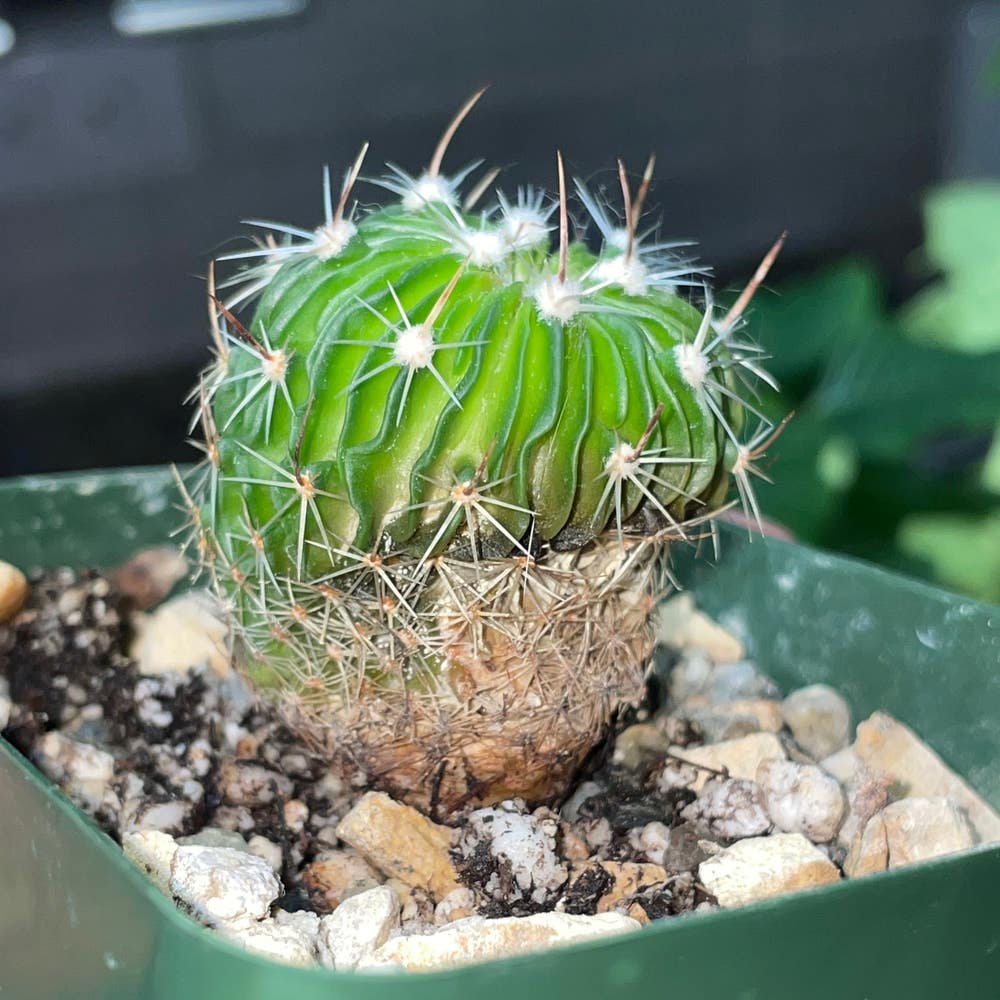
Propagating Hooked Cactus: The Ultimate Guide
Thelocactus conothelos
By the Greg Editorial Team
Jun 18, 2024•4 min read
This article was created with the help of AI so we can cover more plants for you. May contain errors. See one? Report it here.
Master Hooked Cactus propagation 🌵 and cultivate a mini desert oasis at home with ease.
- Choose vibrant stems or offsets with roots for successful cactus propagation.
- Perfect soil blend and pot choice are crucial for healthy root growth.
- Monitor light, water, and temperature to avoid common propagation issues.
Choosing Your Propagation Path
🌱 Stem Cuttings
To kick off with stem cuttings, select stems that scream health—vibrant and firm. Snip below a node using sterilized shears; think surgical precision. Strip lower leaves to avoid a soggy demise and dip the end in rooting hormone for a root growth turbocharge.
🌿 Preparing Your Stem Cuttings
Let the cuttings dry until the wound calluses, which is plant-speak for "ready to rock." It's a few days of sunbathing in indirect light. Once callused, plant the cutting in soil, ensuring a node is underground. This is where roots will throw their underground party.
🌱 Offsets
When it comes to offsets, it's a gentle game of separation anxiety. Look for the babies clinging to the mother plant. Tease them apart with a mix of tenderness and resolve, ensuring each offset has roots attached.
🌿 Preparing Offsets for Their New Home
Plant your liberated offsets in fresh soil, treating them like the delicate plant toddlers they are. Water them to settle their new soil bed and place them in bright, indirect light. Hold off on the fertilizer; let the roots find their footing first.

Setting the Stage for Growth
🌱 Soil and Potting Mix
Creating the perfect soil blend for Hooked Cactus propagation is like mixing a signature cocktail: the ingredients must be just right. Start with a base of well-draining potting mix, crucial for preventing root rot. Add perlite or coarse sand to ensure breathability and moisture control. If you're feeling adventurous, toss in a bit of compost for a nutrient kick, but don't overdo it—think a dash of bitters, not a sugar rush.
🏺 The Right Pot
Choosing a pot for your Hooked Cactus is less about aesthetics and more about functionality. Drainage holes are a must to avoid waterlogged soil. Size matters too; pick a pot that gives your cactus room to grow but isn't so large that the soil stays wet for too long. An unglazed clay pot is a solid choice, as it allows the soil to dry out more evenly, reducing the risk of overwatering. Remember, your cactus's pot is its castle—make it a stronghold against the elements.

Caring for Your Future Cacti
💡 Light and Temperature
In the realm of Hooked Cactus care, striking the right balance of light and warmth is akin to hitting the jackpot. Bright, indirect light is the sweet spot; it's like the plant's version of a cozy sunbath without the risk of a sunburn. Watch out for color changes—a yellow or brown hue means your cactus is pleading for shade. Keep the temperature consistent, avoiding the extremes of a scorching desert or a chilly tundra.
🚰 Watering Without the Worry
Watering your cactus shouldn't be like defusing a bomb—precision matters, but so does common sense. Wait until the soil is dry a couple of inches down before watering again. It's a simple finger test, no gadgets needed. Start with shallow watering for new roots and increase depth as your cactus matures. Remember, overwatering is the fast track to plant heartbreak, so let the soil dry out slightly between waterings. It's about finding that balance where your cactus feels neither neglected nor drowned.

Overcoming Propagation Pitfalls
🌵 Common Issues
In the realm of propagation, it's not all sunshine and rainbows. Root rot is the boogeyman of the cactus world, often creeping in when you're overly generous with water. To combat this, ensure your soil is more desert, less swamp. Pests are another buzzkill, turning your propagation party into a war zone. Regular inspections and prompt evictions are key.
Monitoring Progress
Keep your eyes peeled for new growth, the telltale sign that your cactus is not just surviving, but thriving. Stagnation or mold? That's your cue to reassess humidity and cleanliness. Root development is like watching paint dry, but when you spot those tiny tendrils, it's a small victory in the slow dance of cactus propagation. Keep a log; it's your roadmap to understanding the whims of your prickly progeny.
⚠️ Safety First
This content is for general information and may contain errors, omissions, or outdated details. It is not medical, veterinary advice, or an endorsement of therapeutic claims.
Always consult a qualified healthcare professional before using any plant as food, medicine, or supplement.
Never eat any plant (or feed one to pets) without confirming its identity with at least two trusted sources.
If you suspect poisoning, call Poison Control (800) 222-1222, the Pet Poison Helpline (800) 213-6680, or your local emergency service immediately.
Spotted an error? Please report it here.
Turn cactus propagation into a breeze 🌵 with Greg's tailored care reminders and perfect watering schedules, ensuring your spiky companions grow vigorously from our ultimate guide's tips.