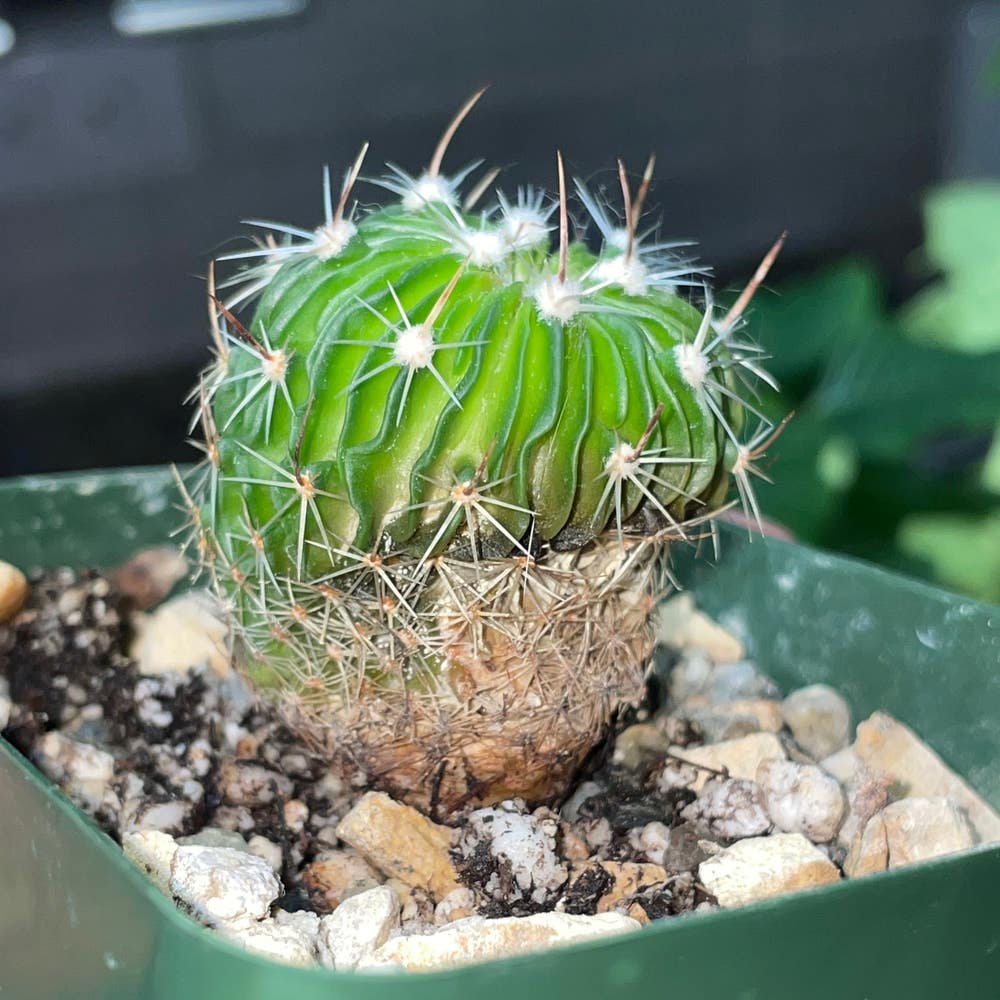
🌵 Best Soil for Hooked Cactus
Thelocactus conothelos
By the Greg Editorial Team
Jun 18, 2024•3 min read
This article was created with the help of AI so we can cover more plants for you. May contain errors. See one? Report it here.
Nurture a thriving Hooked Cactus 🌵 with the best soil secrets for peak health and growth!
- Mold and musty odor indicate too-wet soil; repotting may be needed.
- Ideal cactus soil: well-draining, aerated, pH 6.0-7.5.
- DIY or store-bought soil can be tailored for your cactus's specific needs.
Spotting and Fixing Soil No-Nos
🚩 Recognizing the Signs of Unhealthy Soil
Mold on your Hooked Cactus soil is a red flag. It's a fuzzy or slimy sign that your soil is too wet and stealing nutrients. A musty odor is your soil's SOS. If your cactus is changing colors or looking more wilted than a week-old lettuce, it's time to act.
🌱 Reviving Troubled Terrain
Compacted soil is like a death sentence for your cactus's roots. To fix this, repotting is key. Remove your cactus from its current pot and shake off any bad soil. Fresh, well-draining soil is like a new lease on life for your plant. Adjust your watering habits—less is more. Remember, your cactus craves a desert, not a swamp.

Picking the Perfect Soil Mix
🌵 Key Traits of Hooked Cactus-Friendly Soil
Drainage is non-negotiable; Hooked Cactus roots despise waterlogged conditions. Aeration comes a close second, letting roots breathe easy. Look for a mix that strikes a balance between retaining essential nutrients and allowing excess water to escape with the grace of a sieve. A pH between 6.0 and 7.5 keeps your cactus from nutrient-starvation blues.
🛍 Store-Bought vs. Home-Made: Weighing Your Options
Commercial cactus mixes are the convenience kings. They're pre-mixed, ready to go, and often contain a balanced blend of inorganic and organic materials. Brands like Dr. Earth and Bonsai Jack get the green thumbs up. But beware, some may be too dense, requiring a dash of perlite or pumice to lighten the load.
On the flip side, DIY soil blends are the custom-tailored suits of the cactus world. They allow for personalization based on your cactus's mood swings. Ingredients like coco chips, gravel, and coarse sand are your allies. Mixing your own means you can tweak the drainage and aeration until your cactus does a happy dance.

Crafting Your Own Cactus Soil
🌵 The Perfect Recipe for Hooked Cactus
Creating the ideal soil mix for your Hooked Cactus is straightforward. You'll need:
- 3 parts potting soil: This is your base, providing structure and nutrients.
- 3 parts coarse sand: Sand ensures quick drainage, preventing root rot.
- 1 part perlite: Perlite increases aeration, helping roots breathe.
Mix these ingredients thoroughly in a container. The result should be a loose, well-draining concoction that feels gritty to the touch.
🌵 Tailoring the Mix to Your Cactus's Needs
Your Hooked Cactus is a silent critic of its soil. Observe how it responds after potting. If the soil retains too much moisture, add more perlite or sand. Conversely, if it dries out too quickly, consider increasing the potting soil component.
Remember, this isn't a set-it-and-forget-it deal. Your cactus's feedback is ongoing, and adjustments may be necessary to keep it thriving.

When Soil Goes South: Quick Fixes
🚨 Dealing with Soil Emergencies
When your cactus's soil turns crisis mode, act swiftly. Overwatering is often the culprit, leaving your plant's roots gasping for air. First, stop watering immediately and let the soil dry out. If the soil is soggy, consider a quick change; your cactus's life may depend on it.
🌵 The Repotting Rescue
Repotting is the Hooked Cactus equivalent of moving to a better neighborhood. Do it when the soil feels more like a swamp than a desert. Choose a pot with drainage holes—non-negotiable. When repotting, think gentle. Disturb the roots as little as possible, and use a soil mix that's as gritty as a detective novel. Water sparingly after the move; your cactus prefers a soft introduction to its new home.
⚠️ Safety First
This content is for general information and may contain errors, omissions, or outdated details. It is not medical, veterinary advice, or an endorsement of therapeutic claims.
Always consult a qualified healthcare professional before using any plant as food, medicine, or supplement.
Never eat any plant (or feed one to pets) without confirming its identity with at least two trusted sources.
If you suspect poisoning, call Poison Control (800) 222-1222, the Pet Poison Helpline (800) 213-6680, or your local emergency service immediately.
Spotted an error? Please report it here.
With Greg's personalized moisture tracking, you can perfect your cactus's soil 🌵 by preventing overwatering and ensuring a thriving, spiky companion.