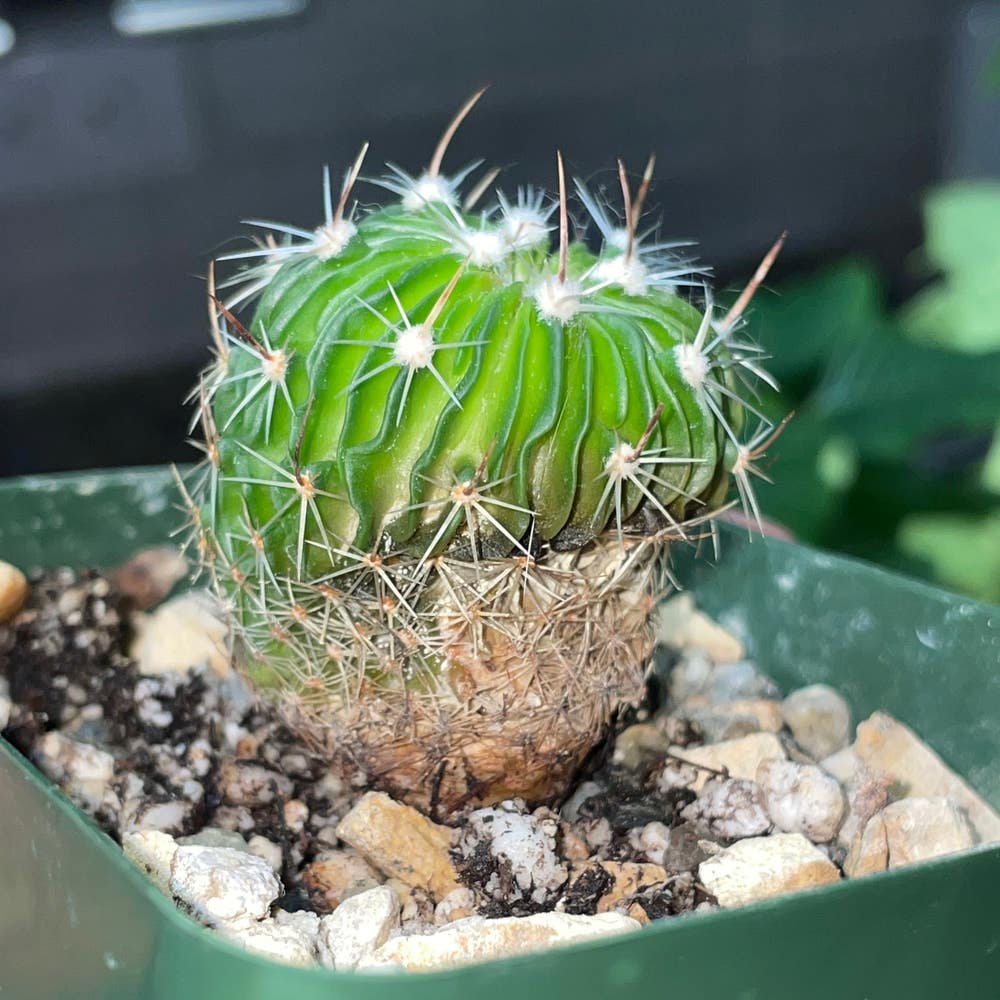
🌵 Common Hooked Cactus Problems
Thelocactus conothelos
By the Greg Editorial Team
Jun 18, 2024•5 min read
This article was created with the help of AI so we can cover more plants for you. May contain errors. See one? Report it here.
Spot early distress in your Hooked Cactus 🌵 and save it from common perils with these vital tips!
- Discoloration and texture changes signal your cactus needs help.
- 🌵 Overwatering and under-watering cause yellowing and brown tips, respectively.
- Sunlight and temperature balance is key to avoid sunburn or elongation.
When Your Hooked Cactus Cries for Help
🚨 Spotting the SOS Signals
Discoloration and structural changes in your Hooked Cactus are like flashing neon signs indicating trouble. A cactus turning colors, developing spots, or showing signs of wilting is not just going through a phase—it's a distress call.
🔍 Decoding the Distress
Yellowing or translucent skin often means you've been too generous with water. Squishy and sad, your cactus might be suffering from root rot. Conversely, if your cactus is stretching out like it's trying to escape, it's likely craving more sunlight—a condition known as etiolation. Dark, waterlogged patches? It's too cold. On the flip side, a cactus that looks like it's been in a toaster oven is a victim of excessive heat.
Keep an eye out for corking, which can be mistaken for rot. This natural aging process results in a rough, corky texture. It's not a cry for help but a sign of your cactus maturing. However, be vigilant—corking is benign, but rot is a death sentence.
Remember, every change in your cactus's appearance is a potential clue. Crispy foliage, brown leaf edges, and wilting are all signs that your cactus is more than just a decorative piece—it's a living organism that relies on you to decode its silent language.

Water Woes: Too Much or Too Little
💧 Over-watering Hazards
Over-watering can leave your Hooked Cactus soggy and sad. Yellowing or translucent leaves are your first clue. If the soil smells off, think rotten eggs, you've got a problem. Stop watering immediately. Let the soil dry out like a desert before you even think about giving it another drink. If the pot's holding water like a camel's hump, improve drainage or consider repotting with a fast-draining mix.
🏜️ The Thirsty Cactus Conundrum
Under-watering turns your Hooked Cactus into a parched, brown-tipped shadow of itself. The soil will pull away from the pot, and the plant might look as wrinkled as a prune. Rehydrate carefully; drench the soil and let it soak up every drop before draining. Don't turn your cactus's life into a flood; water deeply but infrequently. Remember, these spiky friends are more about tough love than constant coddling.

Light and Temperature: The Balancing Act
🌞 Sunburn and Shade: Finding the Sweet Spot
Sunburn isn't just for beach-goers; your Hooked Cactus can get it too. If you spot brown, crispy patches or a yellowing body, your plant's had too much direct sunlight. Conversely, a pale or elongated cactus is craving more rays. To fix this, find a spot with bright, indirect sunlight. If you're using artificial lights, ensure they're not too intense and keep them on for the right duration. Remember, like a good tan, it's all about moderation.
❄️ Keeping the Chill at Bay
When your cactus resembles a frostbitten finger more than a desert dweller, it's time to address temperature stress. Keep your plant away from drafty windows and AC vents. Aim for a stable room temperature to avoid shocking your spiky friend. If your thermostat is as unpredictable as a plot twist, consider relocating your cactus to a steadier environment. Remember, consistency is key to keeping your cactus cozy.

The Unseen Enemies: Pests and Rot
🐜 Pests: The Tiny Terrors
Your Hooked Cactus is a magnet for certain pests. Spider mites set up their tiny silk tents like microscopic campers under the leaves. If you spot webbing, it's battle stations time. Scale insects are the sneak thieves of the pest world, blending in until their damage gives them away. They're like unwanted stickers on your cactus, except they suck the life out of it. Mealybugs are the fluffy white interlopers that throw cactus parties you never wanted to host.
🚪 Send Them Packing
To evict these pests, start with a gentle shower from a spray bottle or hose to knock off the freeloaders. For a more targeted approach, isopropyl alcohol on a cotton swab does wonders. Insecticidal soaps and neem oil are your next line of defense, like bouncers at the club door. Remember, it's not just about the one-off treatment; it's about consistent vigilance.
🌱 Root Rot: The Silent Killer
Root rot is the cactus equivalent of a horror movie monster—it's often out of sight until it's too late. Yellowing or wilting despite proper watering is your cue to get suspicious. If your cactus feels mushy at the base, it's time to play detective and check the roots.
🩹 Saving Your Cactus
To rescue your plant from root rot, you'll need to perform some cactus surgery. Remove the plant from its pot and cut away any blackened or mushy roots. Think of it as pruning away the darkness. Let the roots air out before repotting in fresh, dry soil. Prevention is key, so ensure your watering schedule is more desert, less rainforest. Keep an eye on drainage, too—your cactus's life depends on it.
⚠️ Safety First
This content is for general information and may contain errors, omissions, or outdated details. It is not medical, veterinary advice, or an endorsement of therapeutic claims.
Always consult a qualified healthcare professional before using any plant as food, medicine, or supplement.
Never eat any plant (or feed one to pets) without confirming its identity with at least two trusted sources.
If you suspect poisoning, call Poison Control (800) 222-1222, the Pet Poison Helpline (800) 213-6680, or your local emergency service immediately.
Spotted an error? Please report it here.
Ensure your hooked cactus never feels too toasty or too frosty 🌡️ with Greg's custom environment tracking, keeping those spines happy and healthy.