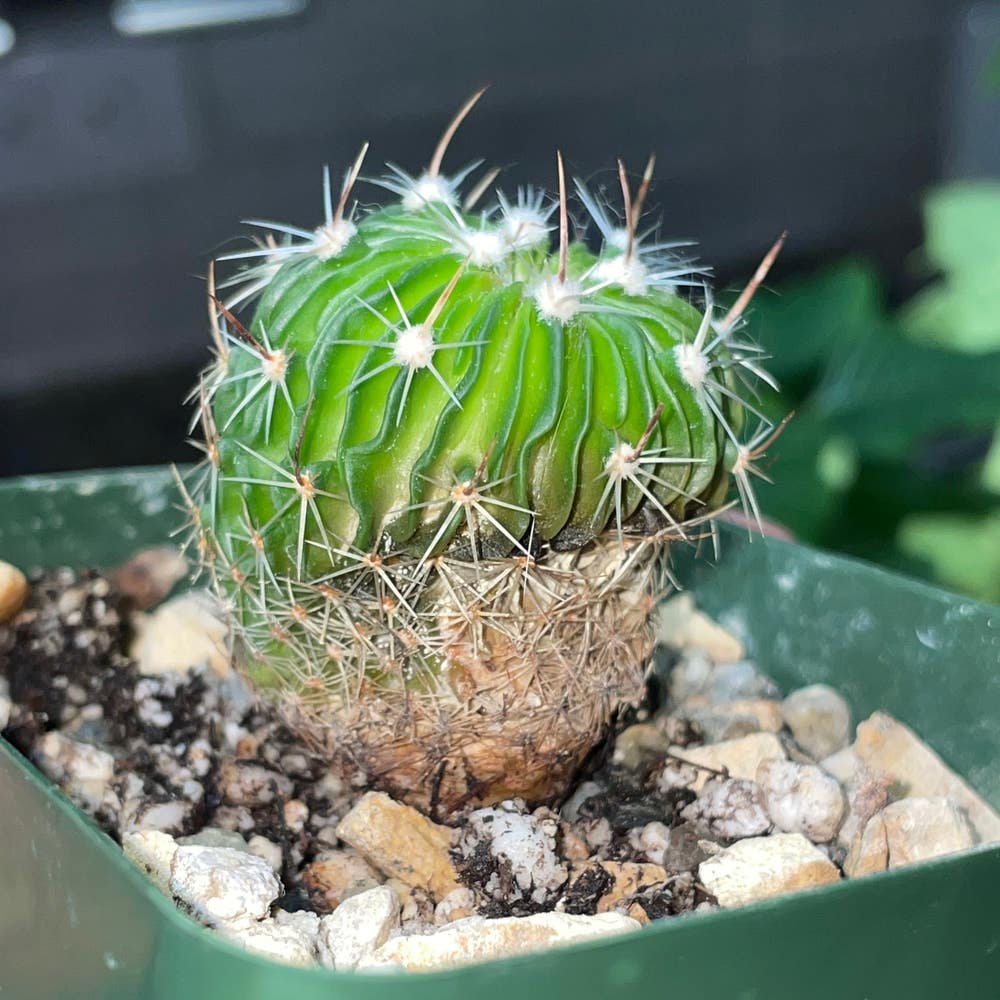
Hooked Cactus Root Rot Solutions
Thelocactus conothelos
By the Greg Editorial Team
Jun 18, 2024•4 min read
This article was created with the help of AI so we can cover more plants for you. May contain errors. See one? Report it here.
Rescue your Hooked Cactus 🌵 from root rot's grip with these fail-safe solutions and tips!
- 🌵 Yellow leaves and wilting signal Hooked Cactus root rot.
- ✂️ Trim rotted roots, then let cactus callus before repotting.
- 💧 Adjust watering habits using a moisture meter for dry soil.
Spotting the Red Flags: Identifying Root Rot in Hooked Cactus
🚨 Visual Symptoms
Yellowing leaves and wilting are the Hooked Cactus's version of an SOS. If the roots look like they've been through a swamp ordeal—soft and darkened—it's a red flag. Foul odor? That's the cactus crying foul play, signaling advanced decay.
🕵️ Beyond the Surface
To inspect for root rot, think of yourself as a cactus surgeon. Gently remove the plant from its pot, and inspect the roots. They should be firm and white, not mushy or dark. If they're brown and squishy, it's time to play plant doctor. Remember, this is a no brute-force zone; handle with care to avoid further damage.

Taking Action: Treating Root Rot in Hooked Cactus
🌵 Root Triage and Treatment
When root rot invades your Hooked Cactus, it's time to channel your inner plant surgeon. Remove the cactus from its pot with care, and shake off the soil to reveal the roots. Don your detective hat and inspect for squishy, discolored offenders. With sterilized scissors or a knife, trim away the rotted roots until only healthy tissue remains. It's like giving your cactus a much-needed haircut, minus the small talk.
After the amputation, let the cactus sit in a dry, shaded place to form a callus over the cuts. This is crucial; think of it as a scab protecting a wound. Once callused, consider a dip in a fungicidal solution. It's like sending your cactus to a spa, but instead of relaxation, it gets a shield against fungal foes.
🌱 Repotting with Care
Choosing the right pot and soil for your Hooked Cactus is like setting up a Tinder profile; you want the perfect match for a long-lasting connection. Select a pot with drainage holes that's cozy but not cramped, ensuring any excess water can make a quick getaway. As for the soil, aim for a mix that's as light and airy as a well-whisked meringue.
Now, gently repot your cactus patient, being mindful not to damage its fresh callus. Place it in the new soil like you're tucking a child into bed. Water sparingly at first; overzealous hydration is what got you into this mess. With the right care, your cactus will bounce back, ready to face the world with its spiky armor.

Water Wisely: Adjusting Irrigation to Prevent Root Rot
💧 Fine-Tuning Watering Habits
Watering frequency and volume are pivotal in preventing root rot. Adjust your routine to ensure the soil has time to dry between waterings. This isn't a set-it-and-forget-it game; your cactus's thirst varies with the seasons. In cooler months, it'll likely need less. When it's hot, it might want a bit more. But remember, moist does not mean soggy. Overwatering is the express lane to root rot city.
🛠 Tools of the Trade
A moisture meter can be your best friend in the fight against overwatering. It's like having a plant whisperer at your fingertips, telling you exactly when your cactus is parched or has had its fill. No more guesswork, no more overzealous watering can action. Just stick it in the soil, and you'll know when it's time to water. It's a small investment that can save your cactus from a watery grave.

Creating a Root Rot-Resistant Environment
💨 Airflow and Humidity Control
Adequate air circulation is non-negotiable for a healthy Hooked Cactus. Stagnant air is a playground for fungi, so keep it moving. A gentle fan or an open window can work wonders.
Humidity is a sneaky culprit in root rot scenarios. Keep it low; think desert, not rainforest. Use a dehumidifier if you must, especially in naturally damp areas of your home.
🌡️ Temperature and Light Mastery
Your Hooked Cactus craves consistent temperatures. Too hot or too cold, and you're asking for trouble. Aim for a stable climate that mimics its natural habitat.
Light is life, but balance is key. Bright, indirect sunlight is the sweet spot. Direct sun can be harsh, so filter it or position your cactus to avoid the midday blaze.
Remember, creating a resistant environment is about prevention. Monitor and adjust as needed, and your cactus will thank you with robust health.
⚠️ Safety First
This content is for general information and may contain errors, omissions, or outdated details. It is not medical, veterinary advice, or an endorsement of therapeutic claims.
Always consult a qualified healthcare professional before using any plant as food, medicine, or supplement.
Never eat any plant (or feed one to pets) without confirming its identity with at least two trusted sources.
If you suspect poisoning, call Poison Control (800) 222-1222, the Pet Poison Helpline (800) 213-6680, or your local emergency service immediately.
Spotted an error? Please report it here.
Banish Hooked Cactus root rot by following these recovery steps and let Greg 🌵 keep you on track with tailored watering reminders and care tips.