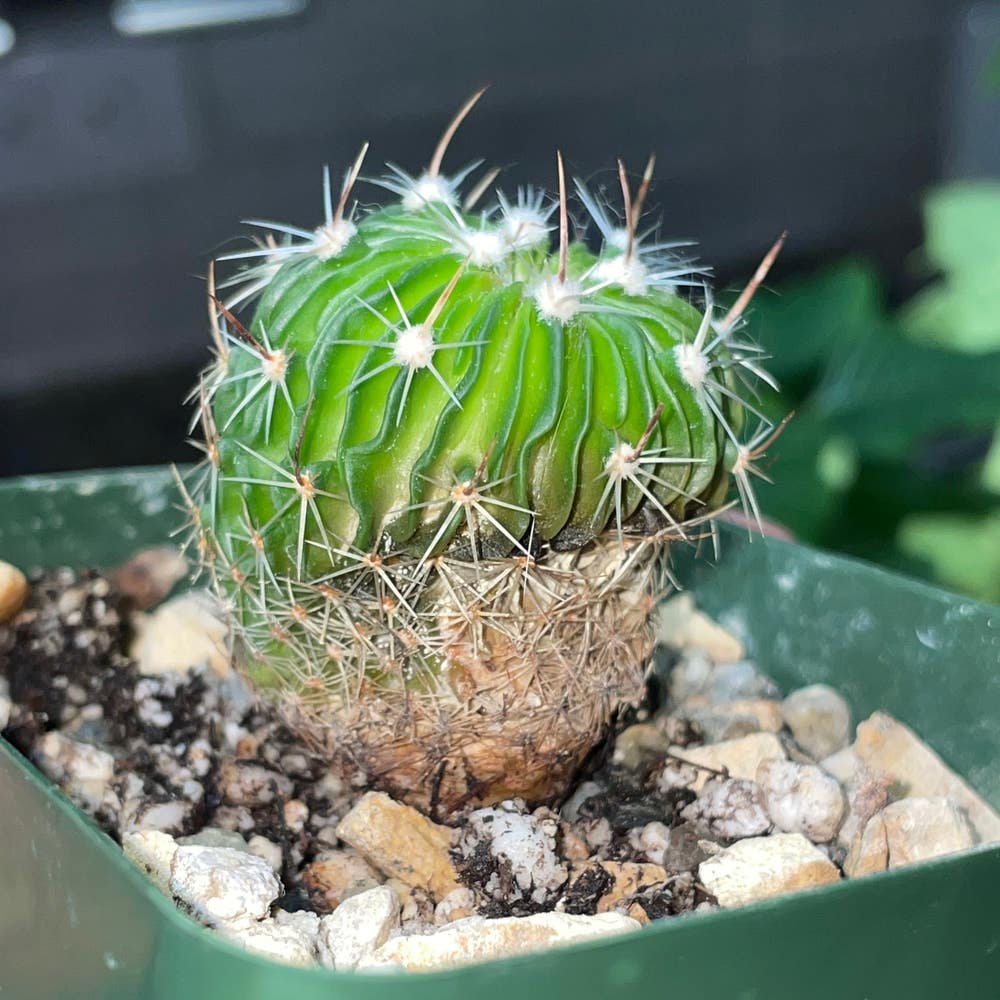
🌵 How and When Should I Cut Back My Hooked Cactus?
Thelocactus conothelos
By the Greg Editorial Team
Jun 18, 2024•4 min read
This article was created with the help of AI so we can cover more plants for you. May contain errors. See one? Report it here.
Safely sculpt your Hooked Cactus 🌵 into its best shape during the ideal season for thriving growth!
- Late spring/early summer best for pruning to match growth cycle.
- 🌵 Use sharp shears and safety gear to prune effectively and safely.
- Prune for health and aesthetics, monitor for post-pruning recovery.
Best Time to Wield the Shears
🌱 Seasonal Timing for Pruning
Late spring to early summer is the sweet spot for pruning your Hooked Cactus. This period aligns with the plant's natural growth cycle, allowing it to heal quickly and thrive post-trim. Look for new growth as a green light that your cactus is ready for a haircut.
🥶 When to Hold Off
Winter is the cactus's time to chill—literally. It's dormant then, so hold off on the pruning shears. If your cactus is dropping leaves or showing signs of stress, like discoloration or wilting, it's telling you, "Please, not now." Listen to it.

Gear Up: Choosing Your Tools
🔪 The Right Tools for the Job
In the realm of hooked cactus care, precision is key. Pruning shears are your go-to for making clean cuts. Ensure they're sharp to avoid unnecessary damage to the plant. For the more unwieldy cacti, kitchen tongs, modified with foam for a gentle grip, can be a lifesaver.
🛡️ Safety First
When it comes to cactus maintenance, your safety is non-negotiable. Gloves are the first line of defense against those menacing hooks. Opt for thick, leather ones or specialized cactus-handling gloves. Long sleeves and pants act as a suit of armor, shielding your skin from rogue spines. And let's not forget the eyes—safety goggles are a smart addition, especially when you're getting up close and personal with your prickly friend.

Pruning Like a Pro
🌵 Step-by-Step Pruning Guide
Timing is everything. Late spring to early summer, when your Hooked Cactus is emerging from dormancy, is your green light for pruning. Visual cues are your friends here. Look for new growth or areas that seem overcrowded.
Technique matters. Use sharp, clean tools to avoid mangling your cactus. Make cuts above a node to encourage branching, but don't get too artsy—this isn't a sculpture class. Aim for symmetry to prevent your cactus from pulling a Leaning Tower of Pisa on you.
🎨 Aesthetic and Health Pruning
Balance is the name of the game. You're not just going for looks; you're a health advocate for your spiky buddy. Remove dead or damaged sections to redirect energy to the thriving parts. Think of it as cactus triage—you're prioritizing the plant's needs.
Growth management is crucial. If you've got a cactus that's aspiring to be a skyscraper, remember to keep the base sturdy. A top-heavy cactus is a disaster waiting to happen. Prune strategically to maintain a stable center of gravity.
🌿 Overgrowth and Size Management
When your cactus starts to resemble a wild beast, it's time to tame it. Overgrowth can lead to issues like poor air circulation and light blockage. Thinning out is your strategy here. But remember, less is more. Don't go on a pruning spree—moderation is key.
Propagation is a bonus. Those healthy pruned tips? They're not just waste. They can be the start of new cactus lives. So, snip with the future in mind, and maybe you'll have a cactus family to show for it.
Keep these tips in your back pocket, and you'll be pruning like a pro in no time. Just remember, your cactus isn't just surviving under your care—it's living its best life.

After the Snip: Post-Pruning Care
🌵 Immediate Aftercare
After you've braved the hooks and snipped your cactus, it's time to switch gears to recovery mode. Clean up any fallen spines or plant debris pronto to dodge any fungal shindigs. If you've got a green thumb, you know the drill: this is basic hygiene for plants.
Watering should be done with a light touch; think of it as a gentle pat on the back after a hard day, not a full-on bear hug. And hold off on the fertilizer; your cactus is in no mood for a feast just yet. A little B vitamin boost, though, can work wonders, like a spa day for those roots.
🌵 Long-Term Health Monitoring
Keep a hawk's eye on your cactus. New growth is like a high-five from your plant, signaling all's well. But if you spot any discoloration or wilting, jump into action. It's not about being paranoid; it's about being prepared.
Regular check-ins are your best defense against any sneaky cactus ailments that might want to crash the party. Remember, you're not just a plant owner; you're a plant partner. Treat your cactus right, and it'll be less Little Shop of Horrors and more botanical buddy movie.
⚠️ Safety First
This content is for general information and may contain errors, omissions, or outdated details. It is not medical, veterinary advice, or an endorsement of therapeutic claims.
Always consult a qualified healthcare professional before using any plant as food, medicine, or supplement.
Never eat any plant (or feed one to pets) without confirming its identity with at least two trusted sources.
If you suspect poisoning, call Poison Control (800) 222-1222, the Pet Poison Helpline (800) 213-6680, or your local emergency service immediately.
Spotted an error? Please report it here.
Ensure your Hooked Cactus thrives and stays beautifully balanced 🌵 with Greg's timely pruning reminders, aligned with the natural growth cycle for optimal health and propagation!