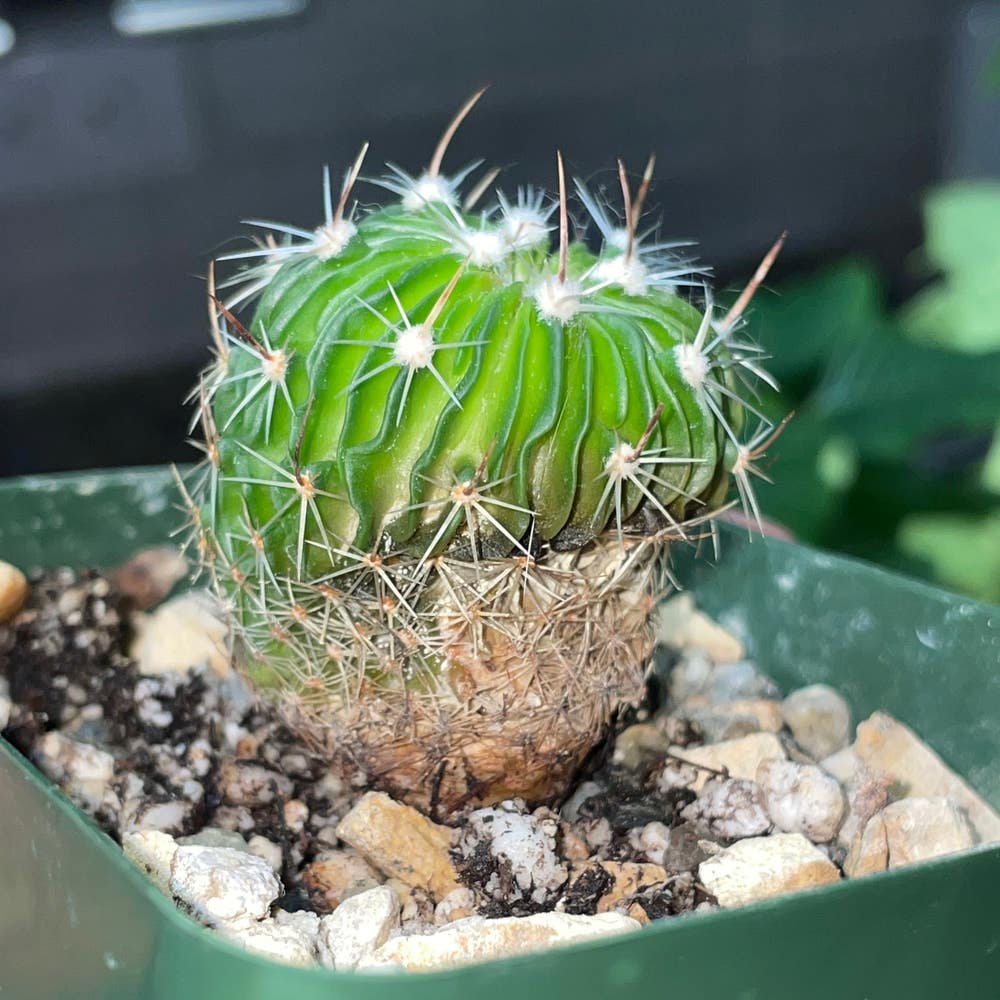
🌵 Why Are My Hooked Cactus Leaves Curling?
Thelocactus conothelos
By the Greg Editorial Team
Jun 18, 2024•5 min read
This article was created with the help of AI so we can cover more plants for you. May contain errors. See one? Report it here.
Unravel the mystery behind your cactus's curling leaves and learn to keep it thriving! 🌵🔍
- Leaf curling indicates distress; assess for discoloration and texture changes.
- Sunlight and watering balance is key to preventing curled leaves.
- Regular care and observation prevent future issues and maintain cactus health.
Spotting the Signs of Distress
Identifying leaf curling and related symptoms in Hooked Cactus is crucial for plant health. Look for leaves that resemble crumpled paper or twizzlers rather than their natural flat, robust form.
🕵️ Visual Clues
Discoloration and texture changes are the cactus crying out for help. Yellowing may suggest overwatering, while brown edges could scream for humidity or less water.
👀 Observant Care
Check for wilting or loss of firmness, akin to a plant fever. These are clear indicators that your cactus is not in its happy place.
🚨 Quick Tips
To assess severity, consider the spread of symptoms. Is it one leaf or the whole plant? Also, watch for pests like spider mites, which leave yellow speckling or reddish streaks when wiped with a cloth.
🌵 Unnatural Plant Behavior
Leaves curling more than a gymnast at the Olympics? Time to adjust care routines. Remember, a firm stem and consistent leaf color are signs of recovery post-treatment.

The Usual Suspects: Common Causes of Leaf Curling
🌞 Too Much Sun or Not Enough?
Sunlight is a fickle friend to the Hooked Cactus. Too much, and your cactus's leaves might crisp up like bacon in a pan. Not enough, and they'll start reaching for the light like a kid for a cookie jar. Balance is key. Aim for bright, indirect light where the sun's rays kiss but don't smother.
🚰 Feeling Thirsty or Drowning?
Watering is less of an art and more of a science. Leaves curling up? Your cactus could be thirstier than a marathon runner. Curling down? You might be loving it to death with water. The soil should be moist, not a mud wrestling pit. Consistency in watering will prevent your plant from throwing a fit.
🍽️ Is Your Soil Up to Par?
Soil should be the Hooked Cactus's sanctuary, not a source of stress. If your cactus's leaves are curling, the soil might be sending an SOS. Too dense and your plant's roots are suffocating; too loose and they're starving. The goal is to have well-draining soil that's just right – think of Goldilocks, but with dirt.

Nipping Problems in the Bud: Treatment and Recovery
🌵 Adjusting Your Cactus's Environment
Temperature and humidity can make or break your cactus's mood. If your hooked cactus is throwing a fit with curled leaves, it might be feeling the chill or sweating from the heat. Move it away from drafty windows or heat sources, and if it's shivering, give it a cozy barrier. Keep the air around it as stable as a rock, but not as dry.
💧 Watering Wisdom
When it comes to hydration, your cactus is not a camel. It can't store water for the driest days. Check the soil before watering—only when dry. If you've been overzealous with the watering can, let the soil dry out. In the case of an overwatering oopsie, shade and repotting are your best friends. Remember, your cactus's drink schedule should change with the seasons, just like your wardrobe.
🌱 Soil and Repotting Solutions
If your cactus is still down in the dumps, the soil might be the culprit. It needs a mix that drains faster than a sink with no stopper. When repotting, think of it as moving your cactus to a new home with better plumbing. And don't just shove it into any old pot; make sure it's got a drainage hole to avoid soggy feet. If you're not sure when to repot, keep an eye out for roots that look more cramped than a clown car.

Keeping Your Cactus Curvaceous in the Right Way
Proactive care is your cactus's best friend. To prevent future leaf curling, stick to a care routine that's as regular as your morning coffee.
🕵️ Regular Observation
Inspect your cactus like it's under a magnifying glass. Changes in leaf texture or posture can be early distress signals. Catching these signs early means you can act before your cactus turns into a botanical frown.
⏰ Timely Action
When you spot trouble, act fast. Adjust light, water, or temperature before your cactus sends out an SOS. Think of it as a race against time, with your cactus's health as the prize.
🌞 Light Management
Ensure your cactus gets its sun fix without overdoing it. Bright, indirect light is the sweet spot. If your cactus starts to look like it's reaching for the stars, it might be time to dial back the sunshine.
💧 Watering Schedule
Water with a sense of purpose. Your cactus craves consistency, so find a schedule that works and stick to it like glue. Remember, overwatering is the enemy—nobody likes soggy feet, especially not your cactus.
🌱 Soil and Repotting
Check the soil like you're testing a cake—stick a finger in and see if it's dry. If it's time for a change, don't hesitate to repot with fresh, sterile soil. It's like giving your cactus a new lease on life.
🌡️ Environmental Stability
Keep your cactus away from the drama of temperature swings. Room temperature is your goal—think cozy, not tropical or arctic. Your cactus prefers a stable environment, not a roller coaster ride.
🐜 Pest Patrol
Be on the lookout for uninvited guests. If pests show up, show them the door with a swift swipe of alcohol on a cotton swab. Prevention is key, so keep your cactus's environment on the drier side to discourage these critters.
🌿 Fertilization Finesse
Feed your cactus, but don't spoil it. A monthly dose of fertilizer during the growing season should suffice. It's about finding that balance between nourishment and overindulgence.
By keeping these care tips in mind, you can ensure your cactus remains the epitome of plant health, with leaves that curve in all the right ways.
⚠️ Safety First
This content is for general information and may contain errors, omissions, or outdated details. It is not medical, veterinary advice, or an endorsement of therapeutic claims.
Always consult a qualified healthcare professional before using any plant as food, medicine, or supplement.
Never eat any plant (or feed one to pets) without confirming its identity with at least two trusted sources.
If you suspect poisoning, call Poison Control (800) 222-1222, the Pet Poison Helpline (800) 213-6680, or your local emergency service immediately.
Spotted an error? Please report it here.
Keep your Hooked Cactus from the dreaded leaf curl 🌀 with Greg's tailored reminders and environmental tips for the perfect plant habitat.