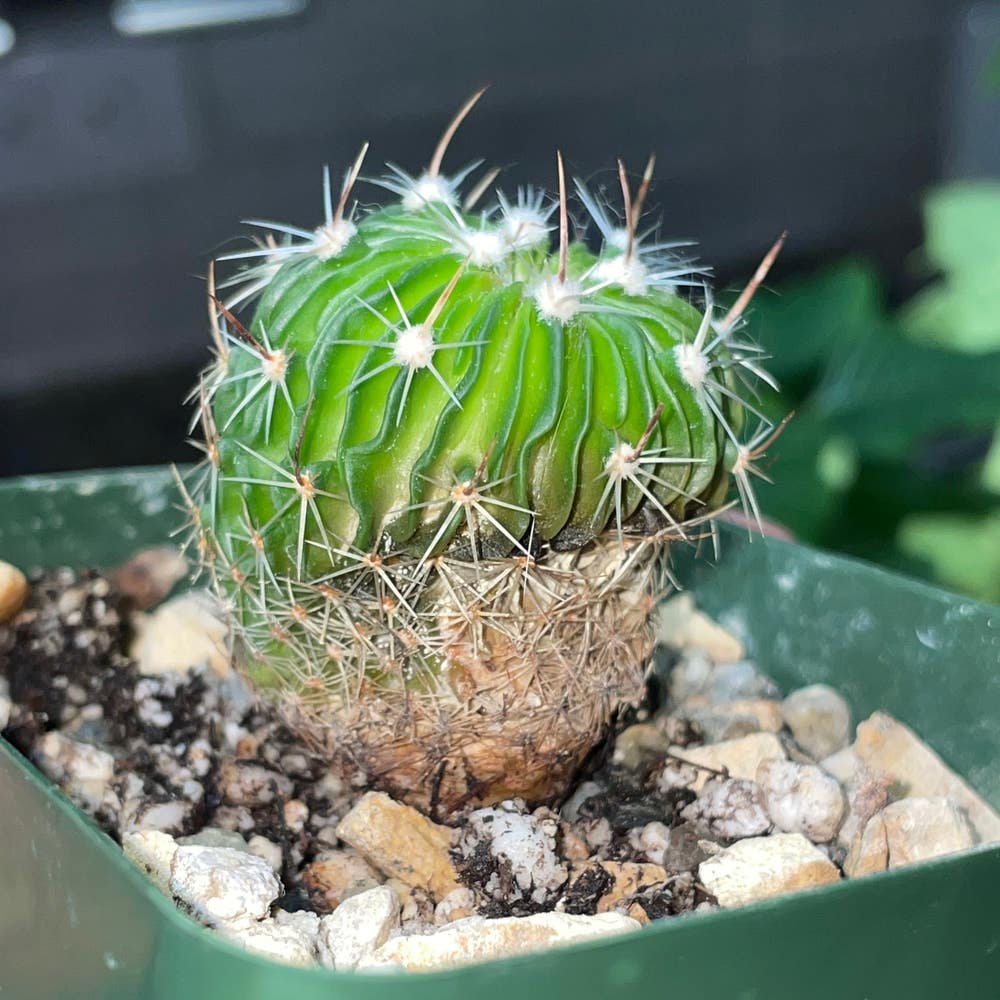
Why Does My Hooked Cactus Have Yellow Leaves?
Thelocactus conothelos
By the Greg Editorial Team
Jun 18, 2024•3 min read
This article was created with the help of AI so we can cover more plants for you. May contain errors. See one? Report it here.
Solve the mystery of your cactus's yellow leaves 🌵 and bring back its lush green glow!
- Overwatering causes yellowing, underwatering leads to browning; adjust watering accordingly.
- 🌞 Sunlight balance is key: Too much or too little can cause yellow leaves.
- Nutrient deficiencies turn leaves yellow; use balanced cactus fertilizer monthly.
Water Woes: Too Much or Too Little
🌊 Overwatering Havoc
Yellowing leaves are a telltale sign of overwatering your Hooked Cactus. If the soil feels like a soggy mess, it's time to intervene. Rescue an overwatered cactus by letting the soil dry out completely before the next watering. Consider repotting with fresh, dry soil if the situation is dire.
🏜️ Underwatering Stress
Conversely, underwatering leaves your cactus thirsty and stressed, with browning tips signaling a cry for help. The sweet spot for watering is when the top inch of soil is dry to the touch. Increase the frequency of watering gradually, ensuring you're not just wetting the surface but soaking the soil to encourage deep root growth.

Let There Be Light: Balancing Sun and Shade
🌞 Too Much Sun
Excessive sunlight can turn your Hooked Cactus's leaves from lush green to a sickly yellow, akin to a bad bleach job. It's a classic case of too much love from the sun. To prevent this solar scorching, adjust your cactus's position gradually, introducing it to less intense light or providing some afternoon shade.
🌥️ Not Enough Light
On the flip side, a Hooked Cactus starved of light can become as pale as a ghost. Signs of light deprivation include faded leaves and a general look of despair. To combat this, find a spot that offers a bright, indirect light paradise for your cactus, ensuring it gets its daily dose of sunshine without the risk of a sunburn.

Feeding Finesse: Nutrients for Vibrant Leaves
💡 Spotting Nutrient Shortfalls
Yellow leaves on your Hooked Cactus can scream nutrient deficiency. It's like your plant is sending an SOS. Nitrogen is often the missing piece in the puzzle, vital for keeping those leaves green. Lack of potassium or magnesium can also turn your cactus into a yellow beacon of distress.
🍽️ Fertilizing Fundamentals
When it comes to fertilizing, think Goldilocks: not too much, not too little, but just right. A balanced, cactus-friendly fertilizer is your best bet. Monthly feedings during the growing season should do the trick. Remember, overdoing it can cause more problems than it solves—fertilizer burn is real and ugly. Stick to the recommended dosage, and your cactus will thank you by staying vibrantly green.

Routine Checks and Balances
🕵️ Regular Health Assessments
Conducting routine check-ups is like being a plant detective; you're on the lookout for the slightest hint of yellow in those Hooked Cactus leaves. Scan the entire plant—from the spiky tips down to the soil line. Notice a change? Time to play plant doctor and adjust your care strategy.
🌦️ Seasonal Adjustments
Your cactus isn't just sitting pretty; it's living through the seasons with you. Winter means dialing back on the H2O, while summer could call for some extra shade to prevent a sunburned cactus. Think of it as helping your spiky friend dress appropriately for the weather.
⚠️ Safety First
This content is for general information and may contain errors, omissions, or outdated details. It is not medical, veterinary advice, or an endorsement of therapeutic claims.
Always consult a qualified healthcare professional before using any plant as food, medicine, or supplement.
Never eat any plant (or feed one to pets) without confirming its identity with at least two trusted sources.
If you suspect poisoning, call Poison Control (800) 222-1222, the Pet Poison Helpline (800) 213-6680, or your local emergency service immediately.
Spotted an error? Please report it here.
Turn your Hooked Cactus's yellow leaves back to lush green 🌵 with Greg's custom care plan, ensuring the perfect balance of water, light, and nutrients!