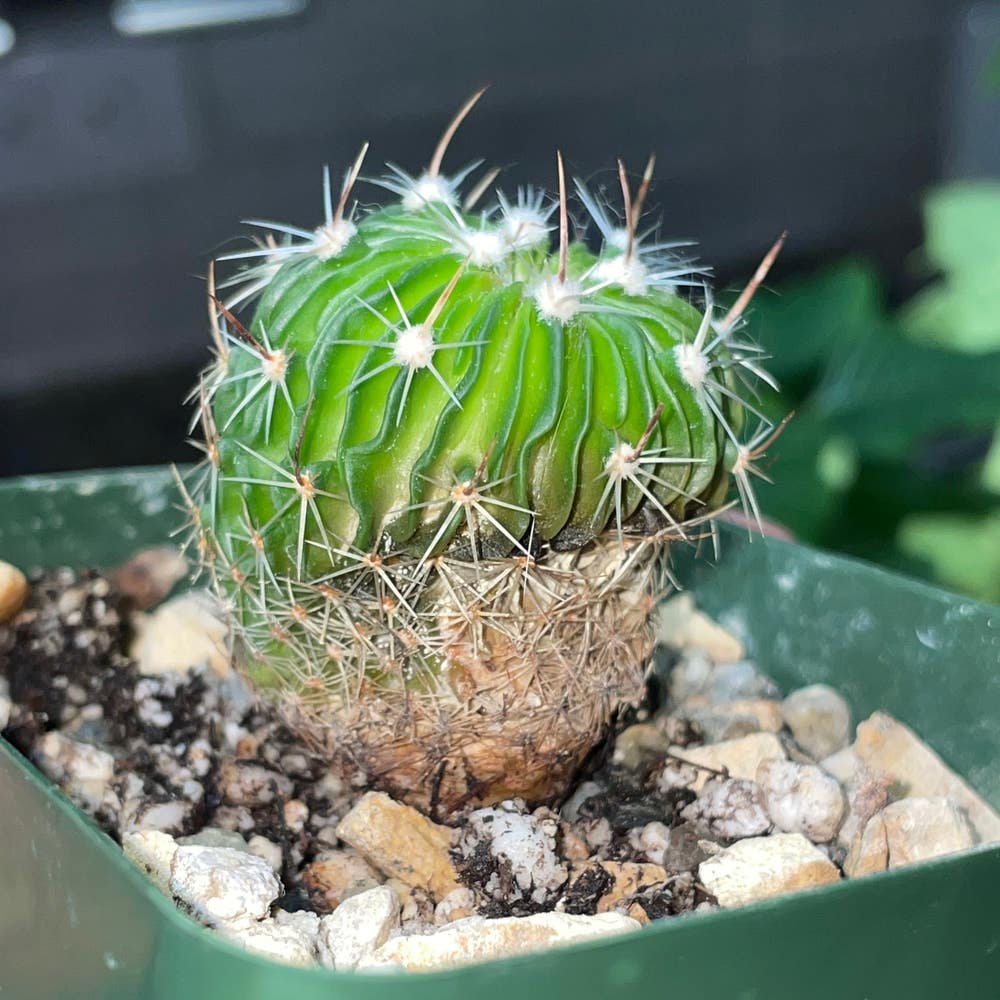
🌵 What Does It Mean When Hooked Cactus Blooms?
Thelocactus conothelos
By the Greg Editorial Team
Jun 18, 2024•5 min read
This article was created with the help of AI so we can cover more plants for you. May contain errors. See one? Report it here.
Unlock the bloom of your Hooked Cactus 🌵—a true testament to your nurturing prowess!
- Maturity and seasonal cues trigger Hooked Cactus blooming.
- 🌵 Bright, indirect light and cool temps encourage flowers.
- Controlled stress and rest periods are key to successful blooms.
When and Why Your Hooked Cactus Decides to Bloom
🌵 The Right Age: Maturity Matters
Maturity is non-negotiable. Your Hooked Cactus won't strut its stuff until it hits the right age. Think of it as a rite of passage; no shortcuts allowed.
🌸 Seasonal Cues: Understanding Blooming Seasons
Blooms are all about timing. These prickly performers take their cues from the seasons, with cooler temps and longer nights setting the stage for a floral encore.
💡 Environmental Triggers: Light and Temperature
Light and temperature aren't just details; they're the directors of the show. Get these elements right, and you're on your way to a blooming spectacle that's worth the wait.

Tailoring Conditions for Blooming Success
🌞 Sunlight: Finding the Sweet Spot
Sunlight is the lifeblood of the Hooked Cactus, but too much can lead to a sunburnt disaster, while too little is like a star without its spotlight. Position your cactus to bask in bright, indirect light—think of it as its personal stage for the grand bloom performance. Adjust its location with the seasons, as the sun shifts its angle in the sky.
🌡️ Temperature: Mimicking Natural Habitat Shifts
Cacti are drama queens when it comes to temperature. They crave the fluctuating temperatures of their native habitats—warm days followed by cooler nights. To coax out those blooms, recreate these conditions. In the daytime, let your cactus feel the warmth; when night falls, give it a taste of the desert chill.
💧 Soil and Water: The Balancing Act
The soil is the cactus's foundation, and it should be as well-draining as a sieve. A mix that holds moisture just long enough for a drink but then dries out is key. When watering, think of it as a suspenseful pause in a thriller—wait for the soil to dry completely before the next plot twist of hydration. Overwatering is the villain here, and it's a surefire way to drown your cactus's blooming dreams.

Encouraging Your Cactus to Show Its Flowers
💪 The Art of Controlled Stress
Controlled stress can be the secret sauce to getting your cactus to bloom. Think of it as a workout routine for your plant. Temperature fluctuations are your go-to move here—cool nights and warmer days. It's like telling your cactus, "Hey, it's time to show off." But remember, you're not trying to create a desert apocalypse for your green buddy. Keep it subtle.
💤 The Importance of a Rest Period
Just like us, cacti need their beauty sleep. The rest period is when your cactus saves up energy to put on a floral show. Winter is the time to chill—literally. Dial back on the watering and hold off on the fertilizer; it's their time to nap. This downtime is crucial, so don't skip it. It's the calm before the blooming storm.

Spotting the Signs: Is Your Cactus Ready to Bloom?
🌵 Bud Watch: What to Look For
Buds are the telltale sign your cactus is gearing up for a floral show. Look for tiny protuberances where spines meet the plant's skin. They start small, so you'll need a keen eye. These soon-to-be blooms can be subtle, often resembling small bumps or knots. If you're questioning whether you've spotted a bud or a new spine, keep watching; buds will enlarge over time, while spines won't change much.
🌱 Growth Patterns: Subtle Changes Before the Bloom
Before the grand reveal, your cactus might undergo a growth spurt or display a richer color. It's like the plant is taking a deep breath before the plunge. Vigilance is key; you might notice the cactus standing a bit taller, looking particularly perky. This is your cactus's version of stretching before a performance. Keep an eye out for these subtle cues, and you'll be able to predict the blooming with almost psychic precision.
Overcoming Blooming Hurdles
🌵 Troubleshooting Lackluster Blooms
If your Hooked Cactus is more barren than a desert mirage, it's time to play detective. First, check if it's pot-bound; cramped roots can curb its blooming ambitions. Next, assess your watering habits. Both over and under-watering can send your cactus into a stress-induced flowerless funk. Brown spots or wilting? These are distress flares, signaling anything from pest invasions to disease. Regular check-ups can catch these issues before they sabotage your cactus's chance to shine.
🌸 Adjusting Care to Prompt Flowers
To coax those shy blooms out, consider the lighting. If your cactus is stretching like it's in a yoga class, it's craving more light. Conversely, if it's sporting a sunburn, dial back the direct rays. Soil and water are the yin and yang of plant care; keep the soil moist but not soggy to avoid root rot. And remember, fertilization is like a pep talk—encouraging but not overwhelming. Use a balanced fertilizer at half-strength to avoid overfeeding. If your cactus is still stubbornly bloomless, a slight root-bound stress might just be the nudge it needs. But tread carefully; too much stress is like a horror movie for plants—only bad things happen.
⚠️ Safety First
This content is for general information and may contain errors, omissions, or outdated details. It is not medical, veterinary advice, or an endorsement of therapeutic claims.
Always consult a qualified healthcare professional before using any plant as food, medicine, or supplement.
Never eat any plant (or feed one to pets) without confirming its identity with at least two trusted sources.
If you suspect poisoning, call Poison Control (800) 222-1222, the Pet Poison Helpline (800) 213-6680, or your local emergency service immediately.
Spotted an error? Please report it here.