Why Are My Hooked Cactus Leaves Mushy? 🌵
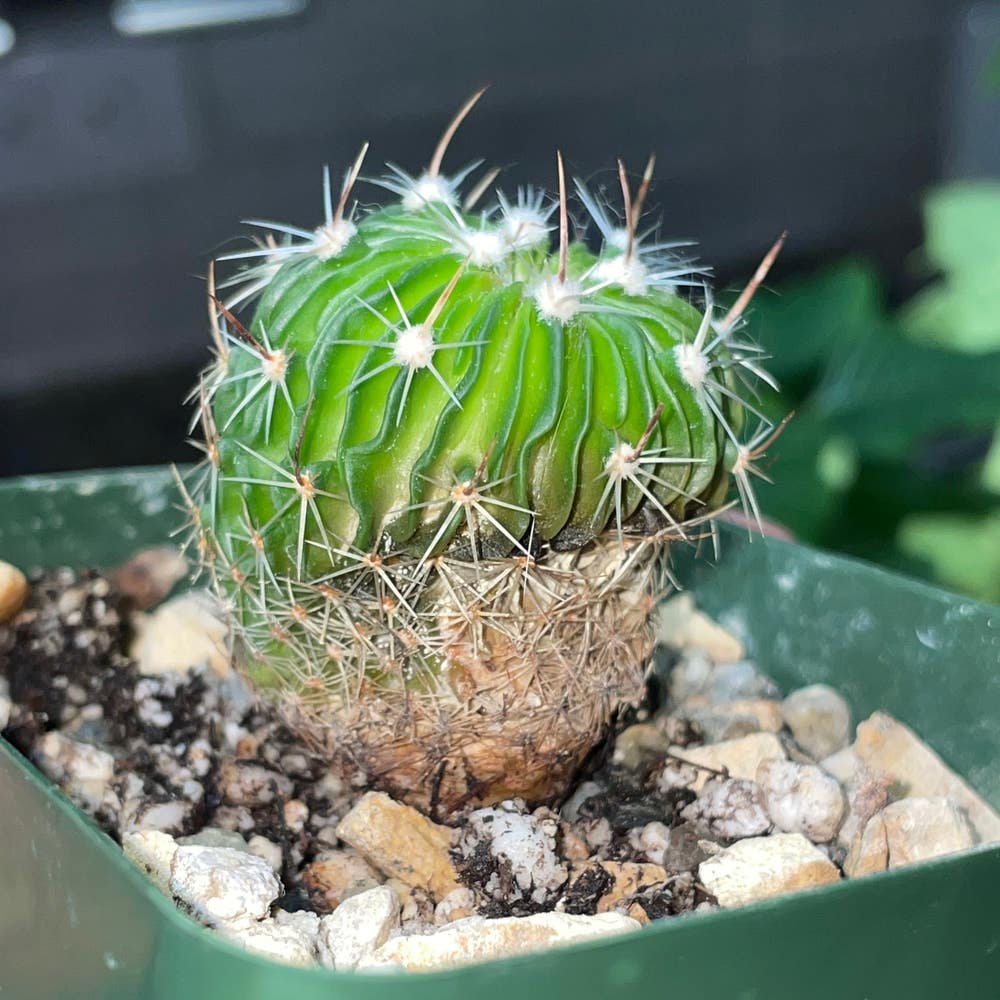
Thelocactus conothelos
By the Greg Editorial Team
Jun 18, 2024•4 min read
This article was created with the help of AI so we can cover more plants for you. May contain errors. See one? Report it here.
Prevent cactus casualties by uncovering the secrets to optimal watering and soil health. 🌵🚫💦
- Overwatering causes mushy spots; adjust watering and use well-draining soil.
- Underwatering symptoms include shriveled leaves; establish a balanced watering routine.
- Root rot leads to mushiness; treat by removing affected roots and ensuring proper drainage.
When Too Much Love Leads to Mush: Overwatering Woes
🚰 Spotting the Signs of Overindulgence
Soggy soil and a distinct musty odor are your first clues that you've been too generous with the watering can. Hooked Cactus leaves may swell up, looking plumper than usual, or develop brown, mushy spots. If the soil clings to your finger with desperation, it's time to back off on the hydration.
🚰 Turning Down the Tap
Adjusting your watering schedule is crucial. Consistency is key—avoid the rollercoaster of too much or too little. Keep an eye on the weather; your cactus will drink more during hot spells and less when it's cooler. If overwatering is a recurring drama, consider switching to a well-draining soil mix. Remember, your cactus's love language is 'infrequent rain shower,' not 'daily monsoon.'

The Deceptive Peril of Underwatering
🏜️ Cracking the Code on Underwatering Symptoms
It's a paradox; your Hooked Cactus leaves are mushy, yet the culprit might be underwatering. Shriveled leaves and a soil as dry as a stand-up comedian's wit are screaming for hydration. Touch the soil; if it's bone dry half an inch down, your cactus is parched.
Visual cues and texture tests
Look for leaves that are curling inward, a desperate attempt to conserve what little moisture they have left. If the leaves break easily or the soil pulls away from the pot's edge, you've entered the dehydration danger zone.
Quenching Thirst the Right Way
Establishing a balanced watering routine is like walking a tightrope. Too much, and you drown it; too little, and it's a desert scenario. Water when the soil feels dry to the touch, but before your cactus starts auditioning for a role in a drought-themed movie.
Monitoring soil moisture levels for optimal health
Ditch the strict calendar schedule; your cactus doesn't wear a watch. Instead, monitor the soil's moisture like it's your favorite social media account. Consistency is key—water thoroughly, then let it drain completely, like a detox spa day for your plant's roots.

Root Rot: The Hidden Assassin
🦠 Unearthing the Enemy
Root rot is the sneaky villain in your cactus's story, often undetected until its leaves turn to mush. Mushy leaves are a distress signal from your Hooked Cactus, hinting at a rotten situation below the soil. When the roots resemble something from a horror movie—brown, black, or smelling like last week's trash—it's time for a root intervention.
🚨 When to Suspect Root Rot is at Play
If your cactus is wilting, its growth stunted, or the soil smells like a bog, suspect root rot. Mushrooms or odd growths near the base are like red flags at a bullfight, warning you of the danger lurking in the dirt.
🏥 Salvaging Your Spiky Friend
When root rot hits, it's time for surgery. Unpot your cactus with care, wash the roots to banish all the rotten soil, and get ready to play plant doctor. Sterilized shears are your best friend here; cut away the mushy roots like you're carving a Halloween pumpkin—thorough, but with precision.
🌱 Long-term Root Care to Avoid Future Mushiness
After the rescue, it's all about prevention. Ensure your cactus's home has drainage fit for a king and that the soil is as airy as a well-aerated wine. Keep an eye on watering habits like a hawk, because root rot loves a soggy environment more than a duck does.

Soil and Drainage: Your Cactus's Best Allies
🏠 Crafting the Perfect Home
Choosing the right soil mix for your Hooked Cactus is like picking a lock—precision is key. Your plant's life literally depends on it. Opt for a cactus-specific blend that's gritty and drains faster than a greased marble on a slide. Standard potting soil is a no-go; it clings to moisture like a stage-five clinger.
Container selection is not just about aesthetics. It's about survival. The right pot promotes health and happiness. Go for one with drainage holes—this isn't a debate, it's a commandment. If you're feeling crafty, DIY a mix using sand, perlite, and a bit of low-nutrient compost. Just remember, the goal is to avoid water retention like it's the plague.
🌊 Drainage Mastery
Proper drainage is your cactus's lifeline. Without it, you're basically signing up for mushy leaves and a world of pain. Ensure your container has ample holes at the bottom; think of them as emergency exits for excess water.
Hole placement is crucial. If your pot lacks holes, grab a drill and get to work. No holes mean you're basically cooking your cactus in a slow cooker of doom. And forget the myth about rocks at the bottom—it's as helpful as a screen door on a submarine. Your focus should be on letting the water out, not creating a false sense of security.
⚠️ Safety First
This content is for general information and may contain errors, omissions, or outdated details. It is not medical, veterinary advice, or an endorsement of therapeutic claims.
Always consult a qualified healthcare professional before using any plant as food, medicine, or supplement.
Never eat any plant (or feed one to pets) without confirming its identity with at least two trusted sources.
If you suspect poisoning, call Poison Control (800) 222-1222, the Pet Poison Helpline (800) 213-6680, or your local emergency service immediately.
Spotted an error? Please report it here.
Fine-tune your cactus care and prevent mushiness 🌵 with Greg's smart watering reminders, eliminating the guesswork for a thriving, healthy plant.