🌵 How Frequently Should I Water My Hooked Cactus?
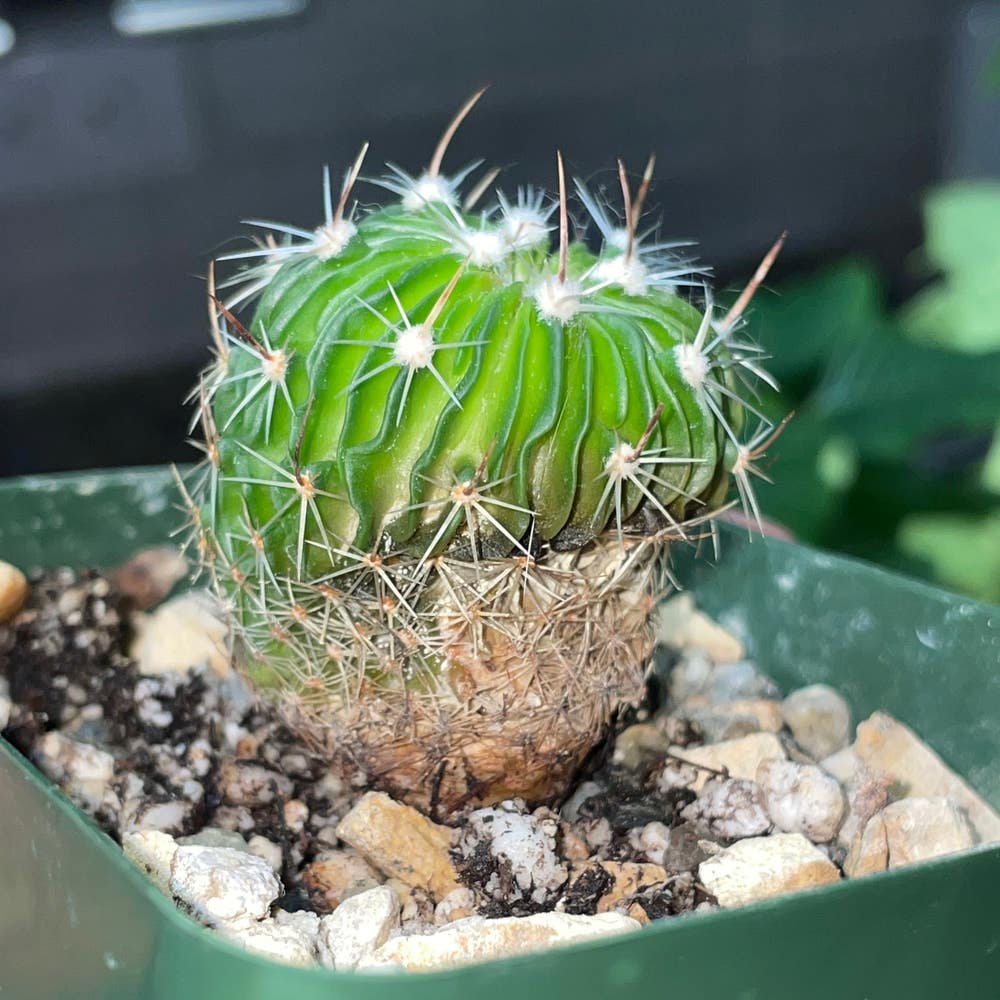
Thelocactus conothelos
By the Greg Editorial Team
Jun 18, 2024•4 min read
This article was created with the help of AI so we can cover more plants for you. May contain errors. See one? Report it here.
Ensure your hooked cactus flourishes with the ideal watering rhythm, balancing desert droughts and downpours 🌵⏳.
- 🌵 Wrinkles mean thirst, yellowing means too much water.
- Soak and dry method mimics cactus's natural desert watering.
- Seasons change, so does watering; adjust your cactus care rhythm.
When Thirst Strikes: Recognizing Your Cactus's Needs
💧 Visual Cues for Watering
Wrinkles and shrivels on your cactus are like a cry for hydration; they're the plant's equivalent of a parched throat. If the once plump pads start looking deflated, it's a sign to water. Brittle spines or a sunken appearance also shout out for a sip.
🚱 The Dangers of Overwatering
Beware of the yellowing and softening of your cactus's skin—it's the equivalent of a red flag in cactus care. These symptoms, along with a musty odor or brown, mushy spots, indicate you've crossed the line into overwatering territory. Remember, a cactus prefers the 'infrequent rain shower' over the 'daily monsoon.'

The Perfect Sip: Watering Techniques and Frequency
💧 The Soak and Dry Method
Watering your hooked cactus isn't about drenching it on a whim; it's a strategic affair. Fully saturate the soil to emulate those rare desert downpours, then back off and let the soil dry out completely. This isn't just watering; it's an imitation of the cactus's natural habitat.
🌡️ Seasonal Sips
As the seasons shift, so should your watering routine. In the blazing summer, your cactus might be as thirsty as a marathon runner, while in the winter, it's more like a hibernating bear. Adjust your approach with the temperature, and remember, your cactus's need for water drops when the heat does.

The Right Home: Soil and Pot Impact on Watering
🌱 Choosing the Best Soil Mix
To keep your hooked cactus thriving, well-draining soil is non-negotiable. Imagine soil as the cactus's mattress—too soggy, and it's like sleeping on a wet sponge; too dry, and it's a desert bedrock. Mix in perlite or coarse sand to create a loose, airy bed that allows water to flow through, not pool. This is crucial for preventing root rot, the silent assassin of the cactus world.
🏺 Picking the Perfect Pot
Size and material are the yin and yang of pot selection. Too large, and your cactus sits in damp soil like a forgotten bath toy; too small, and you'll be on watering duty more often than a barista on Monday morning. Aim for a pot that gives your cactus a snug fit—room to grow without drowning in excess soil.
Material-wise, terracotta is the MVP, its porous walls wicking away moisture like a breathable fabric. Plastic can be a trap, holding in moisture like a raincoat in a sauna. And always, I mean always, ensure there are drainage holes. No holes? You're basically giving your cactus a pair of concrete shoes—not cool.

A Guided Watering Schedule: Starting Points and Adjustments
🌵 A Rough Watering Timeline
In the realm of hooked cacti, timing is everything. Here's a basic watering schedule to keep your spiky companion from becoming a parched pincushion:
- Winter: Water sparingly, if at all. Once a month should suffice, as your cactus is likely snoozing in its dormant phase.
- Spring: As the cactus stretches from its slumber, a bi-weekly watering aligns with its awakening metabolism.
- Summer: This is high season for hydration. Watering once a week caters to its growth spurt, but always check the soil first.
- Fall: Begin to taper off, aligning with the cooling temperatures. Bi-weekly waterings will transition your cactus into its rest period.
🌵 Tailoring to Your Cactus
No two cacti are the same, and neither should their watering schedules be. Observe your cactus like a hawk after a drink. Does it perk up or remain indifferent? This feedback is crucial.
- Soil Check: Before even thinking about watering, do the finger test. Dry soil a couple of inches down means go for it; damp means wait.
- Seasonal Shifts: Your cactus isn't oblivious to the changing seasons. Less water in the cooler months, more when the sun's ablaze.
- Home Environment: Is your cactus basking in a sun-drenched window or chilling in a shady nook? Adjust waterings accordingly.
- Pot and Soil: A well-draining soil mix in a pot that says no to waterlogging is your cactus's best friend. Get this combo right, and you're golden.
- Weather Watch: If you're keeping your cactus outdoors, be mindful of Mother Nature's mood swings. Rainy forecast? Skip the watering can.
Remember, your cactus's watering needs are as unique as its hooks. Start with the rough timeline, then tweak and fine-tune. It's not about sticking to a rigid schedule, but about developing a watering rhythm that dances to the beat of your cactus's needs.
⚠️ Safety First
This content is for general information and may contain errors, omissions, or outdated details. It is not medical, veterinary advice, or an endorsement of therapeutic claims.
Always consult a qualified healthcare professional before using any plant as food, medicine, or supplement.
Never eat any plant (or feed one to pets) without confirming its identity with at least two trusted sources.
If you suspect poisoning, call Poison Control (800) 222-1222, the Pet Poison Helpline (800) 213-6680, or your local emergency service immediately.
Spotted an error? Please report it here.
Ensure your hooked cactus thrives with zero-guesswork watering 🌵 as Greg tailors a schedule to your specific environment and seasonal changes.