🌵 8 Common Hooked Cactus Flowering Issues
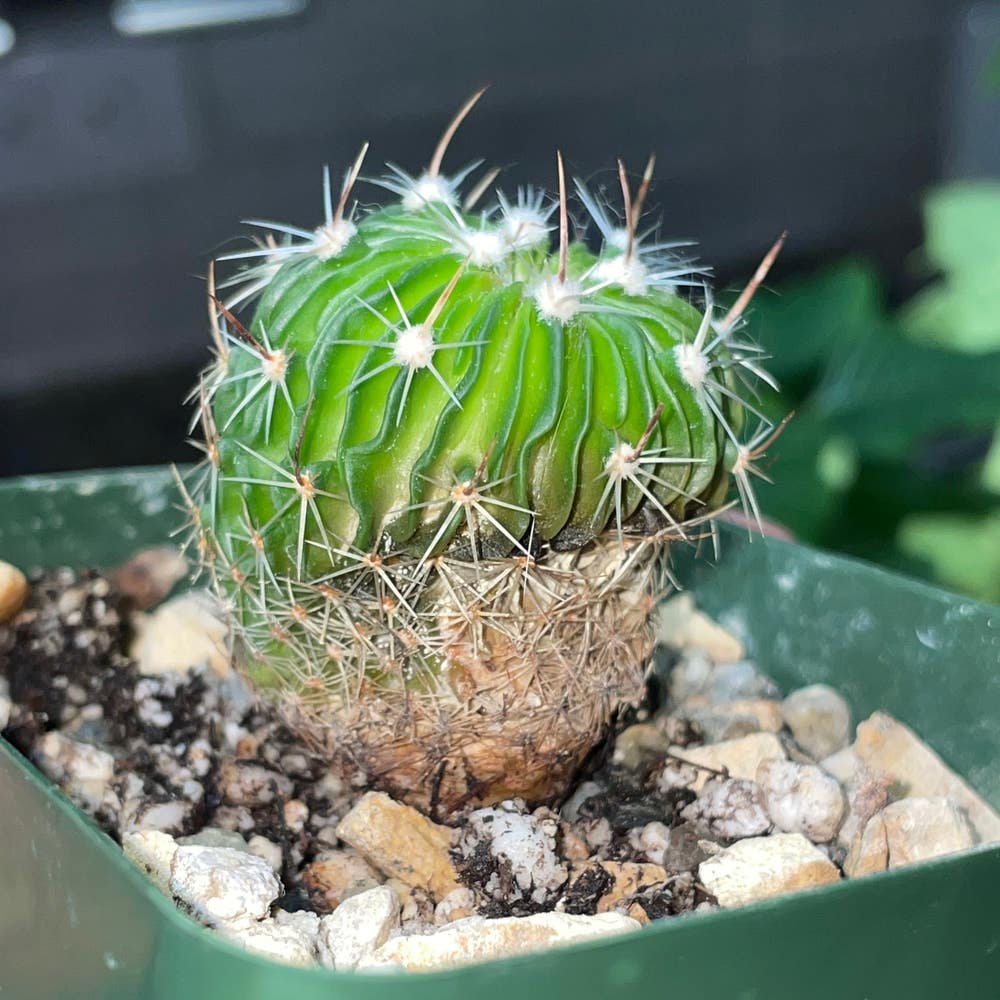
Thelocactus conothelos
By the Greg Editorial Team
Sep 30, 2024•3 min read
This article was created with the help of AI so we can cover more plants for you. May contain errors. See one? Report it here.
Revive your hooked cactus blooms 🌵 with essential care tips to tackle common flowering issues and enjoy vibrant flowers!
- 🌞 Insufficient light prevents blooming; ensure at least six hours of direct sunlight daily.
- 🌡️ Stable temperatures are crucial; avoid extreme fluctuations for healthy blooms.
- 🌱 Regular fertilization with balanced nutrients boosts blooming potential in hooked cacti.
Flowering Issues in Hooked Cactus
🌸 Failure to Bloom
Potential Causes
One of the most frustrating issues for cactus enthusiasts is when their hooked cactus fails to bloom. This can often be traced back to three main culprits: insufficient light, extreme temperatures, and a lack of essential nutrients.
- Light: Without at least six hours of direct sunlight daily, your cactus may struggle to produce those beautiful blooms.
- Temperature: Hooked cacti thrive in a specific temperature range. Extreme fluctuations can disrupt their natural bloom cycle.
- Nutrition: A nutrient-deficient cactus is unlikely to develop flowers. Regular fertilization is key.
Solutions and Care Adjustments
To encourage blooming, consider these care adjustments:
- Adjust Light Exposure: Ensure your cactus receives at least six hours of direct sunlight each day.
- Monitor Temperature: Keep the temperature between 20°C to 30°C (68°F to 86°F) for optimal growth.
- Fertilization: Use a balanced cactus fertilizer during the growing season to provide necessary nutrients.
🌼 Premature Flower Drop
Identifying Symptoms
Premature flower drop can be disheartening. Look for these early signs of stress:
- Dropping Buds: If buds fall before opening, it’s a clear indicator something is wrong.
- Wilting or Shriveling Flowers: These symptoms suggest potential issues that need addressing.
Causes
Several factors can lead to premature flower drop:
- Environmental Stress: Rapid temperature changes or drafts can shock your cactus.
- Watering Issues: Both overwatering and underwatering can cause buds to drop prematurely.
Remedies and Preventive Measures
To prevent premature flower drop, implement these strategies:
- Stabilize Environment: Avoid sudden temperature fluctuations to keep your cactus comfortable.
- Watering Schedule: Establish a consistent watering routine, allowing the soil to dry out between waterings.
🌺 Abnormal Flower Development
Description of Abnormal Flowers
Abnormal flower development can manifest in various ways:
- Deformed or Stunted Blooms: Flowers may not fully develop, leaving you with unsightly blooms.
- Color Changes: Unusual hues or patterns can indicate underlying issues.
Causes
Several factors can contribute to abnormal flower development:
- Pests: Infestations can severely impact flower health and appearance.
- Diseases: Fungal or bacterial infections can wreak havoc on your cactus.
- Nutrient Imbalance: An excess or deficiency of specific nutrients can lead to poor flower quality.
Solutions for Restoring Healthy Blooms
To restore healthy blooms, consider these solutions:
- Pest Control: Use insecticidal soap or neem oil to tackle infestations effectively.
- Disease Management: Remove affected parts and apply appropriate treatments to combat diseases.
- Nutrient Adjustment: Test your soil and amend it with necessary fertilizers to ensure balanced nutrition.
✂️ Pruning and Its Impact on Flowering
When to Prune for Optimal Flowering
Timing is crucial when it comes to pruning your hooked cactus:
- Best Time: Late winter or early spring is ideal, just before the bloom cycle begins.
- Remove Dead Growth: Pruning dead or damaged growth encourages new blooms.
Techniques for Effective Pruning
Effective pruning techniques can make a significant difference:
- Use Clean Tools: Always use clean, sharp tools to avoid introducing infections.
- Cut Above a Node: This promotes healthy growth and encourages branching.
Effects of Pruning on Bloom Cycle
Pruning has several positive effects on flowering:
- Encourages Branching: More branches can lead to an abundance of flowers.
- Reduces Nutrient Competition: Focusing energy on fewer, healthier blooms enhances overall flower quality.
🌱 Seasonal Care Adjustments to Promote Flowering
To keep your hooked cactus blooming beautifully, seasonal care adjustments are essential:
- Adjust Watering Frequency: Increase watering during active growth and decrease it during dormancy.
- Modify Light Exposure: Ensure maximum light during the blooming season to support flower development.
By addressing these common flowering issues, you can enjoy a vibrant and healthy hooked cactus that rewards your care with stunning blooms. Next, let’s explore how to create the perfect environment for your cactus to thrive.
⚠️ Safety First
This content is for general information and may contain errors, omissions, or outdated details. It is not medical, veterinary advice, or an endorsement of therapeutic claims.
Always consult a qualified healthcare professional before using any plant as food, medicine, or supplement.
Never eat any plant (or feed one to pets) without confirming its identity with at least two trusted sources.
If you suspect poisoning, call Poison Control (800) 222-1222, the Pet Poison Helpline (800) 213-6680, or your local emergency service immediately.
Spotted an error? Please report it here.
Unlock your cactus's blooming potential 🌸 with Greg's personalized care reminders and expert tips, ensuring it thrives in the perfect environment for vibrant flowers!