Key Milestones in Hooked Cactus Growth 🌵
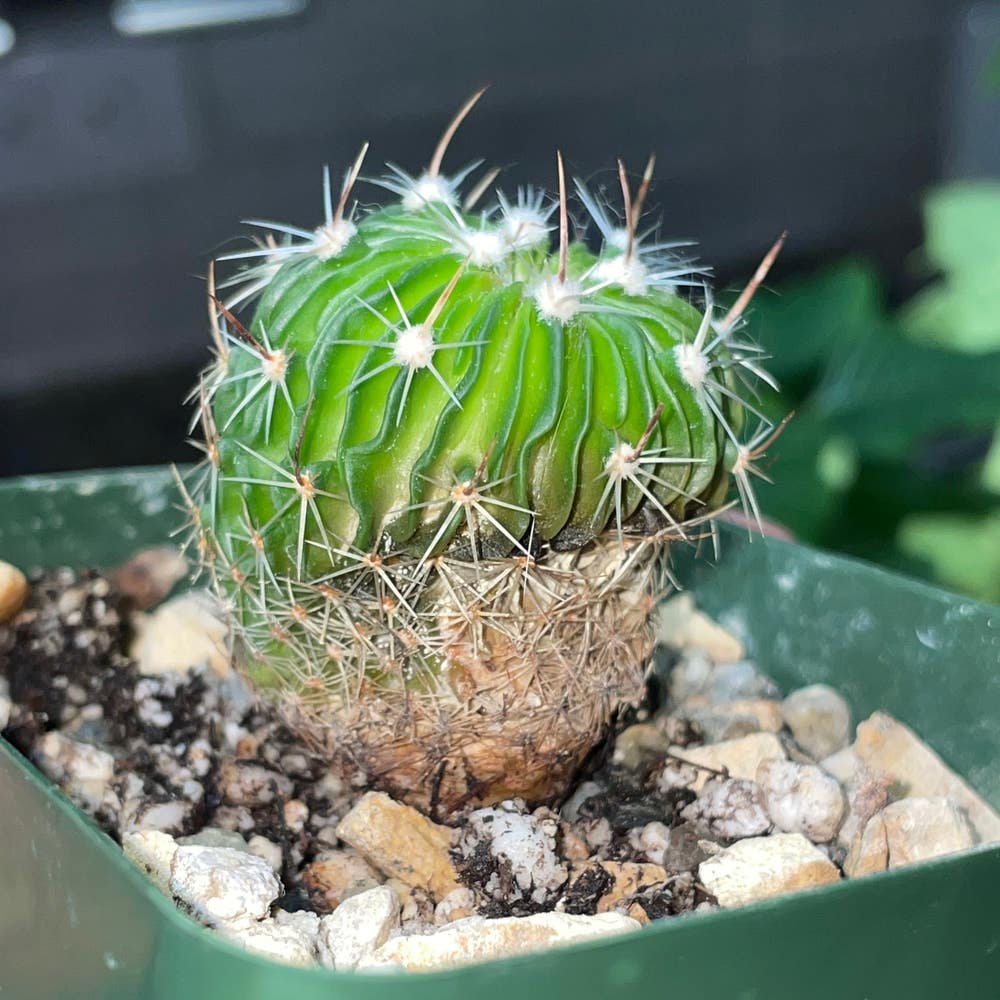
Thelocactus conothelos
By the Greg Editorial Team
Sep 30, 2024•5 min read
This article was created with the help of AI so we can cover more plants for you. May contain errors. See one? Report it here.
Master the art of nurturing your hooked cactus through its incredible life cycle! 🌱✨
- 🌱 Germination takes 2-4 weeks; optimal temperature is 20°C to 30°C (68°F to 86°F).
- 🌞 Full sun for 6-8 hours daily is essential for flowering and healthy growth.
- 🌵 Proper care at each stage ensures long-term health and vibrant blooms of hooked cacti.
Germination Stage
🌱 Duration of Germination
Germination is a crucial first step in the life of a hooked cactus, typically taking 2 to 4 weeks. Several factors can influence this duration, including temperature, moisture levels, and the quality of the seeds.
🌡️ Conditions for Successful Germination
To ensure successful germination, maintaining the right conditions is essential.
Optimal Temperature
Aim for a temperature range of 20°C to 30°C (68°F to 86°F). This warmth encourages seed activation and growth.
Soil Requirements
Use a well-draining cactus mix or sandy soil. This prevents water from pooling, which can lead to rot.
Moisture Needs
Keep the soil lightly misted to maintain humidity without waterlogging. A delicate balance is key to nurturing those tiny seeds.
By providing the right environment, you'll set the stage for healthy growth in the next stages of your cactus's life. As the seeds germinate, they will soon transition into the seedling stage, where their unique characteristics begin to emerge.
Seedling Stage
Duration of Seedling Growth 🌱
The seedling stage typically lasts between 6 months to 1 year. You'll know it's time to transplant when your cactus has developed 2-3 sets of true leaves.
Key Characteristics of Seedlings 🌼
Seedlings usually stand about 1-3 inches tall, showcasing their delicate nature. They have smooth skin and minimal spines, making them quite charming in their early stages.
Growth Habits 📈
During this phase, growth is slow as the plant focuses on establishing a robust root system. Patience is key; these little guys are laying the groundwork for future growth.
Importance of Care 🛡️
Proper care during the seedling stage is crucial for long-term health. Ensure they receive adequate light and moisture to thrive.
As your seedlings mature, they will transition into the vegetative growth stage, where their true potential begins to unfold.
Vegetative Growth Stage
Duration of Vegetative Growth 🌱
The vegetative growth stage of a hooked cactus typically lasts between 1 to 3 years. This duration can vary significantly based on environmental conditions and the care provided.
Changes in Appearance and Structure 🌵
As the cactus matures, you'll notice the development of hooked spines, which usually begins around the one-year mark.
The height of the plant can increase dramatically, reaching several inches to even feet, depending on the species.
Branching may also start to occur, giving the cactus a bushier appearance that adds to its unique charm.
This stage is crucial for establishing a robust structure that will support future growth and flowering.
Understanding these changes helps you appreciate the cactus's journey and adapt your care accordingly.
As your cactus thrives, you'll be excited to witness its transformation, setting the stage for the flowering phase ahead.
Flowering Stage
🌸 Duration of Flowering
The flowering period for hooked cacti typically occurs from late spring to early summer. Each bloom lasts between 1 to 3 weeks, showcasing the plant's vibrant colors.
☀️ Conditions for Flowering
To thrive during this stage, hooked cacti require full sun exposure, ideally 6 to 8 hours daily. Additionally, a balanced fertilizer during the growing season supports healthy blooms.
🐝 Pollination Process
Pollination is crucial for seed production. Bees and other insects are the primary pollinators, although some cactus species can self-pollinate, while others depend on cross-pollination for successful reproduction.
Understanding the flowering stage is essential for nurturing your hooked cactus. With the right conditions and care, you can enjoy a spectacular display of blooms that not only beautifies your space but also contributes to the plant's lifecycle.
As we move on, let’s explore the seed production stage, where the magic of flowering transforms into the promise of new life.
Seed Production Stage
Duration of Seed Production 🌱
After flowering, the seed production stage typically lasts 4-6 weeks. This timeframe can vary based on environmental conditions and the success of pollination.
Methods of Seed Dispersal 🌬️
Cacti have fascinating ways to spread their seeds.
- Natural Dispersal: Seeds can be carried away by wind or animals, ensuring they find new homes.
- Human-Assisted Methods: Enthusiasts often collect seeds for propagation, helping to cultivate new plants.
Understanding these processes not only highlights the resilience of cacti but also emphasizes the importance of their ecosystems. As we explore the next stage, we’ll delve into the notable changes throughout the cactus life cycle, showcasing how these plants adapt and thrive in their environments.
Notable Changes Throughout Life Cycle
🌱 Physical Changes at Each Growth Stage
The life cycle of a hooked cactus is marked by distinct physical transformations.
Germination: This stage kicks off with the emergence of cotyledons, the first leaves that signal new life.
Seedling: As the plant grows, its skin remains smooth, but it gradually transitions to a spiny texture, preparing for its future.
Vegetative: Here, the cactus develops hooked spines and may begin branching out, giving it a bushier appearance.
Flowering: Finally, vibrant blooms emerge, showcasing the cactus's beauty and signaling its maturity.
🌵 Environmental Adaptations
Hooked cacti are marvels of adaptation, thriving in harsh environments.
Water Storage Capabilities: Their ability to store water allows them to survive in arid conditions, making them resilient.
Spines: These serve a dual purpose: protecting the plant from herbivores and minimizing water loss, ensuring survival.
🌼 Changes in Care Needs as the Plant Matures
As your cactus grows, its care requirements evolve.
Watering Frequency: You'll notice that watering needs decrease as the plant matures, reflecting its enhanced resilience.
Fertilization: Adjustments in fertilization are crucial, tailored to the growth stage and flowering cycles to support healthy development.
Light Exposure: As the cactus grows larger and begins to flower, it may require more light, so be prepared to adjust its placement for optimal growth.
Understanding these changes not only enhances your gardening skills but also deepens your appreciation for the remarkable journey of the hooked cactus. Next, we’ll explore the fascinating flowering stage and its significance in the cactus's life cycle.
⚠️ Safety First
This content is for general information and may contain errors, omissions, or outdated details. It is not medical, veterinary advice, or an endorsement of therapeutic claims.
Always consult a qualified healthcare professional before using any plant as food, medicine, or supplement.
Never eat any plant (or feed one to pets) without confirming its identity with at least two trusted sources.
If you suspect poisoning, call Poison Control (800) 222-1222, the Pet Poison Helpline (800) 213-6680, or your local emergency service immediately.
Spotted an error? Please report it here.
Nurturing your hooked cactus through its growth stages is a thrilling adventure 🌱, and with Greg's tailored care reminders, you'll cultivate a thriving plant that flourishes beautifully!