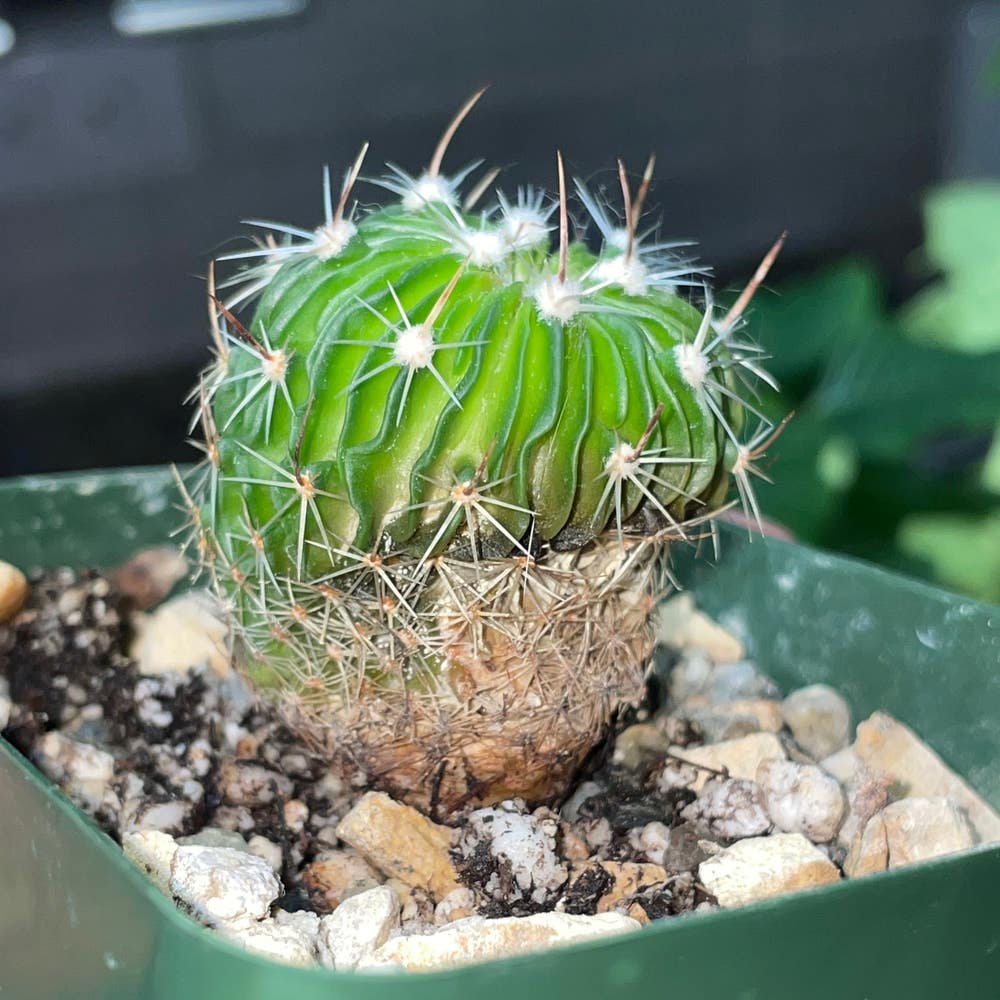
🌵 Full Grown Size of Hooked Cactus
Thelocactus conothelos
By the Greg Editorial Team
Sep 30, 2024•5 min read
This article was created with the help of AI so we can cover more plants for you. May contain errors. See one? Report it here.
Master the art of growing vibrant Hooked Cacti 🌵 with essential tips for size and care that ensure thriving plants!
- 🌵 Hooked cacti grow 1-3 feet tall and spread 1-2 feet wide.
- 🌞 Full sun exposure (6-8 hours) promotes healthier growth and size.
- 💧 Balanced watering is essential; overwatering or drought can stunt growth.
Mature Height and Spread
Height 🌵
Hooked cacti typically reach a height range of 1 to 3 feet (30 to 90 cm). This variation largely depends on species differences and environmental conditions.
Spread 🌍
In terms of spread, these cacti average between 1 to 2 feet (30 to 60 cm). Their growth habit can be either clumping or solitary, affecting how they fill out their space.
Growth Rate and Time to Full Size ⏳
On average, hooked cacti grow about 1 to 3 inches (2.5 to 7.5 cm) per year. They usually take between 5 to 10 years to reach their full size, depending on care and environmental factors.
Consistent care is crucial for optimal growth, ensuring these unique plants thrive in your garden or home. Understanding their growth patterns can help you appreciate their journey to maturity.
Size Variability in Different Conditions
Environmental Impact on Size 🌍
The size of Hooked Cacti can vary significantly based on their environment. Light conditions play a crucial role; full sun exposure typically promotes healthier growth compared to partial shade.
Watering frequency also impacts size. Overwatering can lead to root rot, while drought conditions may stunt growth.
Soil type is another critical factor. Well-draining sandy soils support robust growth, whereas heavy clay can hinder development.
Growth Conditions 🌱
For maximum size, Hooked Cacti thrive in high light, minimal water stress, and nutrient-rich soil. These ideal conditions foster vigorous growth and vibrant health.
Size variability is evident in different environments. For instance, a cactus in a sunny, well-drained garden may reach its full potential, while one in a shaded, poorly drained area may remain significantly smaller.
Understanding these factors can help you create the best conditions for your Hooked Cactus, ensuring it flourishes beautifully.
Factors Affecting Size
🌤️ Environmental Conditions
Light
Optimal light exposure for Hooked Cactus is crucial. Aim for 6-8 hours of direct sunlight daily to promote healthy growth.
Insufficient light can lead to stunted growth and reduced height. If your cactus isn’t thriving, check its light conditions first.
Water
Watering practices significantly influence cactus size. It's essential to allow the soil to dry out between watering sessions.
Overwatering can cause root rot, which ultimately reduces the plant's size. Finding the right balance is key to a thriving cactus.
Soil
The preferred soil type for Hooked Cactus is sandy and well-draining. This type of soil allows for proper moisture retention without waterlogging.
Poor drainage can stunt growth and limit the cactus's size. Always ensure your cactus has the right soil mix for optimal health.
🪴 Container Size and Its Impact on Growth
Container size plays a vital role in the growth potential of your cactus. A minimum 12-inch diameter pot is recommended for optimal growth.
Using smaller pots can lead to root confinement, limiting growth potential and resulting in smaller dimensions. Choose your containers wisely to support your cactus's journey to full size.
Varieties and Their Growth Potential
🌱 Dwarf Varieties
Dwarf Hooked Cacti are charming little plants, typically reaching heights of under 1 foot (30 cm). These compact varieties thrive in smaller containers, making them perfect for limited spaces or indoor settings.
🦙 Giant Varieties
On the other end of the spectrum, giant Hooked Cacti can soar to heights exceeding 3 feet (90 cm). Their impressive growth potential is influenced by several factors, including optimal light exposure, soil quality, and consistent care.
Understanding the differences between these varieties can help you choose the right cactus for your space. Whether you're drawn to the petite charm of dwarf varieties or the striking presence of giants, each has unique care requirements that can enhance their growth potential.
As you explore these options, consider how your environment can support their development. This knowledge will set you up for success in cultivating these fascinating plants.
Size Control Techniques
Controlling the size of your hooked cactus can be a rewarding endeavor. With the right techniques, you can manage its growth effectively.
✂️ Pruning Techniques
One of the most effective methods for size control is pruning. Pinching off new growth helps keep your cactus at a manageable height.
Timing is crucial for successful pruning. The best time to prune is in early spring, just before the plant enters its active growth phase.
🪴 Other Methods
Container size plays a significant role in growth control. Using smaller pots can restrict root growth, leading to a more compact cactus.
Additionally, you can adjust environmental factors to influence size. Modifying light exposure and watering practices can help keep your cactus in check.
By employing these techniques, you can enjoy a hooked cactus that fits perfectly in your space. Next, let’s explore the common misconceptions surrounding cactus sizes.
Common Misconceptions
Myths about Size 🌵
One common myth is that all Hooked Cacti grow to large sizes. In reality, size variability exists based on the specific species and the care they receive.
Clarifying Size Expectations 📏
It's essential to have realistic size expectations when growing Hooked Cacti. Understanding their growth habits and timelines can help you set achievable goals.
Researching specific species characteristics is crucial for accurate size predictions. This knowledge empowers you to provide the right conditions for your cactus to thrive.
By debunking these misconceptions, you can better appreciate the diversity and beauty of Hooked Cacti. With the right information, you can cultivate a stunning collection that fits your space perfectly.
As we move forward, let’s explore the various factors that affect the size of these fascinating plants.
⚠️ Safety First
This content is for general information and may contain errors, omissions, or outdated details. It is not medical, veterinary advice, or an endorsement of therapeutic claims.
Always consult a qualified healthcare professional before using any plant as food, medicine, or supplement.
Never eat any plant (or feed one to pets) without confirming its identity with at least two trusted sources.
If you suspect poisoning, call Poison Control (800) 222-1222, the Pet Poison Helpline (800) 213-6680, or your local emergency service immediately.
Spotted an error? Please report it here.
Unlock your hooked cactus's full potential 🌵 with Greg's tailored care reminders, ensuring it thrives beautifully while avoiding common mistakes like overwatering!