🌡 What Temperature Should My Hooked Cactus Be Kept At?
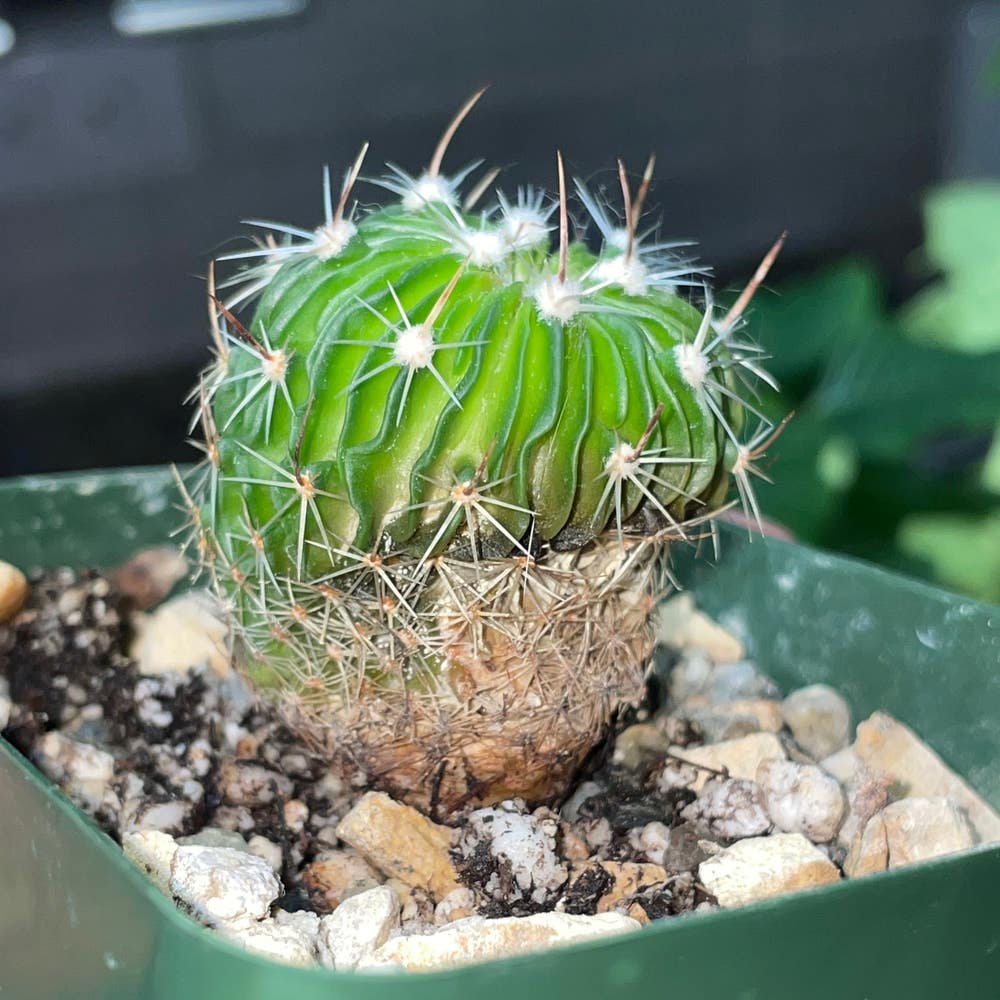
Thelocactus conothelos
By the Greg Editorial Team
Jun 18, 2024•3 min read
This article was created with the help of AI so we can cover more plants for you. May contain errors. See one? Report it here.
Discover the secret to a perky Hooked Cactus 🌵 by nailing the perfect temperature sweet spot!
- Keep between 70°F-80°F during growth; above 50°F in winter to avoid stress.
- 🌡️ Avoid heat above 90°F to prevent wilting and discoloration.
- Balance temperature and humidity; use a hygrometer for monitoring.
Dialing in the Perfect Temperature for Your Hooked Cactus
🌡️ What's Too Hot to Handle?
Heat stress is a real threat to your Hooked Cactus. These spiny buddies can start to wilt if temperatures soar above 90°F (32°C). They're tough, but not invincible.
Watch for discoloration or a sunburned look—yellow or brown patches on your cactus are a cry for help. It's begging you to dial down the heat or offer some shade.
Just Right: The Optimal Temperature Range
The sweet spot for your Hooked Cactus is between 70°F and 80°F (21°C and 27°C) during active growth periods. In winter, it can chill out at a lower 50°F (10°C).
To maintain these temperatures, strategize your indoor placement or provide some outdoor shade. A thermometer can be your best friend here, helping you avoid the guessing game.
Too Cold for Comfort
Frostbite isn't just for toes; it can nip at your cactus too. Keep the mercury above 50°F (10°C) to prevent your cactus from becoming a popsicle.
Signs of cold stress include limpness and discoloration. If your cactus looks more like an icicle than a plant, it's time to warm things up. Avoid sudden temperature spikes, though—think gradual thaw, not microwave defrost.

When Your Cactus Says "I'm Stressed!"
🌡️ Visual SOS: Spotting Temperature Stress
Your Hooked Cactus is a drama queen when it's unhappy with the temperature. Shriveled stems? It's shivering in the cold. A sunburnt look? It's baking in the heat. Discoloration is the cactus equivalent of a distress flare; yellow or brown patches scream "Help!" If the top growth is as uninspiring as a deflated party balloon, your cactus is telling you the temperature is all wrong.
🚑 Quick Fixes for Temperature Troubles
Caught your cactus sending an SOS? Time to spring into action. If it's too hot, create some shade faster than you'd hit the snooze button on a Monday morning. Too cold? Move it to a warmer spot with the urgency of someone rescuing ice cream from a sunny dashboard. Remember, your cactus hates change more than a cat hates a bath, so ease it into new conditions.

Keeping the Balance: Temperature vs. Humidity
🕺 The Delicate Tango
Temperature and humidity are the Fred and Ginger of plant care—intimately connected in a dance that can make or break your Hooked Cactus's well-being.
💧 Humidity: The Invisible Ingredient
While you're busy dialing in the thermostat, don't forget humidity—the silent sidekick to temperature. It's the moisture in the air that your cactus sips on.
🐻 Goldilocks Principle
Aim for a humidity level that's not too high, not too low, but just right. Too much, and you're inviting mold to the party; too little, and your cactus might start coughing dust.
📊 Monitoring Made Easy
Use a hygrometer. Guesswork is for magicians, not gardeners. Keep an eye on that digital sidekick to stay in the know.
🏠 Indoor Tips
If your air is drier than a stand-up comedian's wit, consider a pebble tray or a cool-mist humidifier. It's like giving your cactus a personal cloud.
🌳 Outdoor Tricks
When outdoors, your cactus is at the mercy of the elements. Shade can be a lifesaver during peak heat, and a windbreak can help reduce moisture loss.
🌡️ The Humidity-Temperature Mashup
Remember, as you tweak the temperature, you might need to adjust humidity too. It's like being a DJ for your cactus—keep the beats balanced.
🌵 Real-World Wisdom
Don't let your cactus suffer from your climate ignorance. Embrace the hygrometer, shun the guesswork, and watch your Hooked Cactus thrive.

⚠️ Safety First
This content is for general information and may contain errors, omissions, or outdated details. It is not medical, veterinary advice, or an endorsement of therapeutic claims.
Always consult a qualified healthcare professional before using any plant as food, medicine, or supplement.
Never eat any plant (or feed one to pets) without confirming its identity with at least two trusted sources.
If you suspect poisoning, call Poison Control (800) 222-1222, the Pet Poison Helpline (800) 213-6680, or your local emergency service immediately.
Spotted an error? Please report it here.
Ensure your Hooked Cactus thrives in the ideal temperature 🌡️ with Greg's personalized environment tracking and care tips, keeping your spiky friend stress-free!