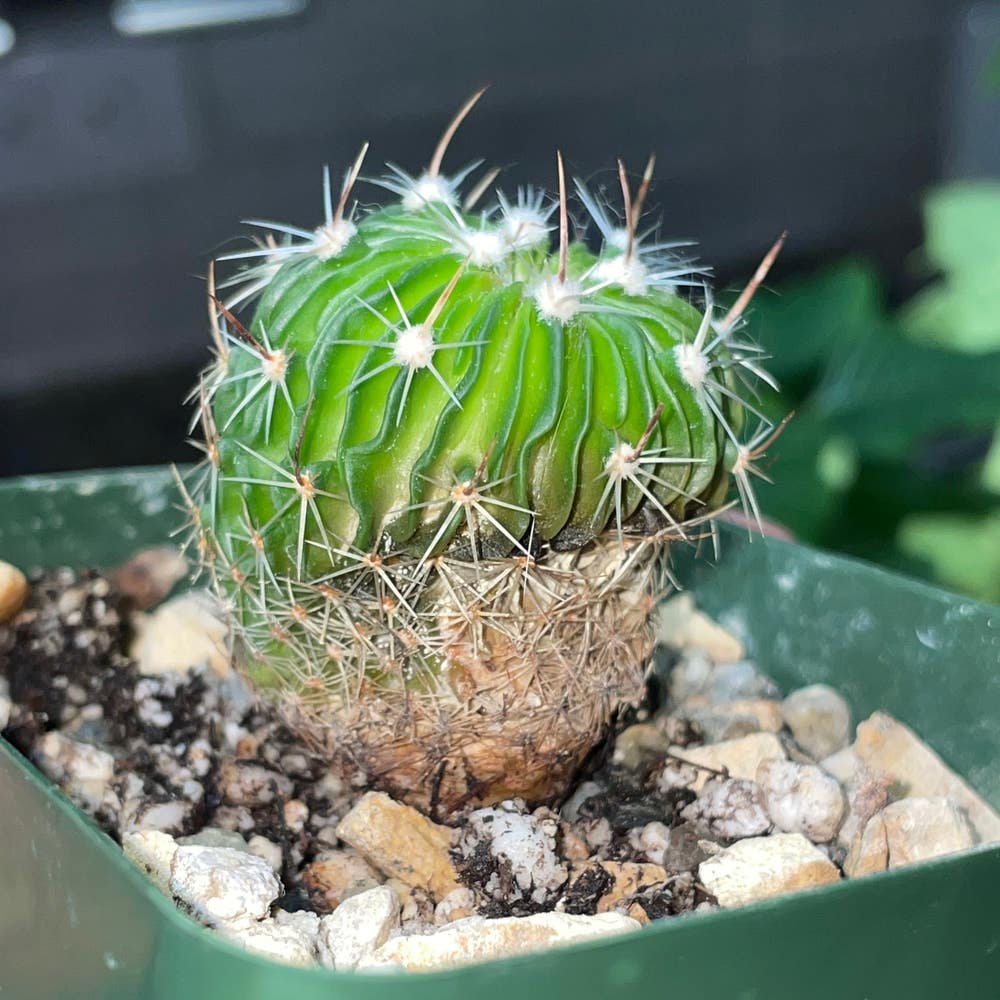
🌵 Is Direct Sunlight Good for My Hooked Cactus?
Thelocactus conothelos
By the Greg Editorial Team
Jun 18, 2024•4 min read
This article was created with the help of AI so we can cover more plants for you. May contain errors. See one? Report it here.
Nurture your Hooked Cactus 🌵 to perfection by decoding its love-hate relationship with the sun! ☀️
- 🌵 Direct vs. indirect sunlight: Know the difference for your cactus.
- Seasonal care adjustments prevent sunburn and frost damage.
- Rotate and filter sunlight to protect your Hooked Cactus.
Sunlight Simplified: What Does Your Hooked Cactus Crave?
🌞 Defining Direct Sunlight
Imagine the sun as a spotlight in a theater—direct sunlight is when your cactus is center stage, basking in the full glare. Indirect sunlight? That's more like a backstage glow, softer and more diffused. Kids, think of playing in the yard under the noon sun versus reading by a window on a sunny day.
🌵 Hooked Cactus and the Sun Dance
Your Hooked Cactus isn't shy about its sun worship; it's a full-on solar panel in plant form. In its native arid lands, it's evolved to soak up every ray. But does it need that fiery ball of gas 24/7? Not quite. It's a love affair with boundaries—too much sun leads to drama, like sunburn or a thirst no amount of water can quench.

Peeking Through the Window: Direction Matters
🌞 The Cardinal Rules of Sunlight
Direction is destiny for your Hooked Cactus's sunbathing routine. In the Northern Hemisphere, south-facing windows are the solar VIP lounges, basking your cactus in sunlight all day long. Flip the script if you're in the Southern Hemisphere; here, north-facing windows are the prime real estate. East-facing windows offer a gentle morning caress of sun, perfect for easing your cactus into the day. West-facing windows deliver an intense afternoon glow, a bit like a workout that can leave your cactus panting for shade. And north-facing windows? They're the low-energy nooks, offering a light snack that won't satisfy your cactus's appetite for sunshine.
🌍 Hemisphere Highlights
Your hemisphere isn't just for geography quizzes; it's a critical factor in your cactus's well-being. South-facing windows in the Northern Hemisphere are the go-to for that sweet, sweet photon feast. Down under in the Southern Hemisphere, it's the north-facing windows that serve up the main course of sunlight. Seasons play their part too, with the sun's angle changing the intensity of its rays—your cactus might need a summer sunblock or a winter light boost. Remember, the goal is to avoid a sun-starved cactus without turning your windowsill into a cactus fry-up.

Seasonal Sun Shifts: Adapting to the Cactus' Needs
🌞 Summer Sizzle and Winter Woes
As the sun's angle shifts with the seasons, so should your care for the Hooked Cactus. In summer, it's all about moderation—too much heat can lead to sunburn, so consider a shaded outdoor spot. Winter calls for a cozy indoor location that catches those precious rays without exposing the plant to frosty threats.
💡 Indoor Sunbathing Tips
Rotate your cactus to ensure even exposure and prevent it from stretching out like it's reaching for the remote. If your windowsill becomes a Sahara in winter, dial down the heat by moving the cactus back or employing a sheer curtain. Remember, a grow light can substitute for the sun during gloomy days, but don't overdo it—think sun-kissed, not sun-slapped.

Keeping the Burn at Bay: Safeguarding Your Cactus
🌵 Sunburn and the Hooked Cactus
Sunburn in cacti is like a bad beach day without sunscreen — unpleasant and avoidable. Your Hooked Cactus can show distress through discoloration; a once vibrant green turning to a sad shade of brown is a cry for help. Texture changes are another red flag; if your cactus feels like a crispy piece of toast, it’s time to rethink its sunbathing routine.
🌞 The Balancing Act
Achieving the perfect sun exposure for your Hooked Cactus is akin to baking the perfect loaf of bread — it requires patience and precision. Start by acclimating your cactus to its sunny spot gradually. Think of it as a sun dance, where too much enthusiasm leads to a sunburnt twirl. Use shade cloth or a strategic placement behind sheer curtains to filter the harsh midday sun. Remember, your cactus can't move to the shade or slather on SPF 50, so it's on you to protect it from the sun's relentless embrace.
⚠️ Safety First
This content is for general information and may contain errors, omissions, or outdated details. It is not medical, veterinary advice, or an endorsement of therapeutic claims.
Always consult a qualified healthcare professional before using any plant as food, medicine, or supplement.
Never eat any plant (or feed one to pets) without confirming its identity with at least two trusted sources.
If you suspect poisoning, call Poison Control (800) 222-1222, the Pet Poison Helpline (800) 213-6680, or your local emergency service immediately.
Spotted an error? Please report it here.
Ensure your hooked cactus thrives in just the right amount of sunlight with Greg's customized reminders 🌵, helping you adjust exposure with the changing seasons without the guesswork.