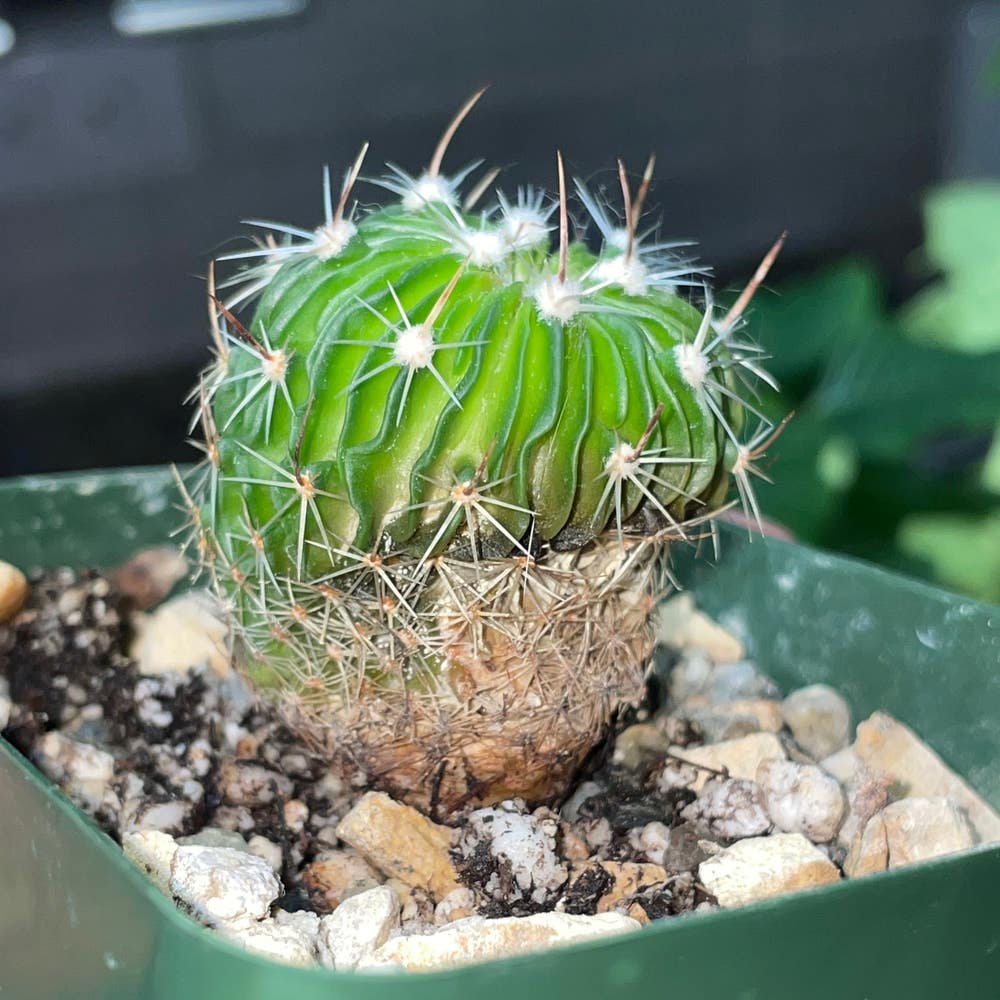
🌵 Overview of Thelocactus conothelos
Thelocactus conothelos
By the Greg Editorial Team
Jan 23, 2025•12 min read
This article was created with the help of AI so we can cover more plants for you. May contain errors. See one? Report it here.
Discover the beauty of Thelocactus conothelos 🌵, a low-maintenance cactus that thrives with just a little care!
- 🌞 Thelocactus conothelos thrives in bright light and warm temperatures for optimal growth.
- 🌱 Use well-draining soil and water only when the top 1-2 inches are dry.
- 🌿 Propagate easily through offsets or seeds, ensuring warm, bright conditions for success.
How to Grow
🌞 Choosing the Right Location
To ensure your Thelocactus conothelos thrives, start by selecting the right location. This cactus prefers bright, indirect sunlight, which promotes optimal growth without scorching its delicate skin.
Temperature is another crucial factor. Thelocactus conothelos flourishes in warm conditions, ideally between 20°C to 30°C (68°F to 86°F). Keeping it within this range will help maintain its health and vitality.
🌱 Soil Preparation
Next, focus on soil preparation. A well-draining soil mix is essential, with a preference for cactus or succulent blends that prevent water retention.
Additionally, aim for a slightly acidic to neutral pH level, ideally between 6.0 to 7.0. This balance will support healthy root development and overall plant growth.
🌍 Planting Techniques
When it comes to planting, depth matters. Ensure you plant your cactus at a depth where the top of the root ball is level with the soil surface. This positioning helps the plant establish itself effectively.
Spacing is equally important. Allow at least 12 inches between plants to promote air circulation and prevent overcrowding, which can lead to disease.
💧 Watering Guidelines
Watering is a critical aspect of care. Water your Thelocactus conothelos when the top 1-2 inches of soil are dry, typically every 2-4 weeks during the growing season.
Use a watering can or hose with a fine nozzle to avoid over-saturating the soil. This method helps maintain the right moisture balance without risking root rot.
🌼 Fertilizing
Fertilizing your cactus can enhance its growth. Use a diluted, balanced fertilizer during the growing season to provide essential nutrients.
Schedule fertilization every 4-6 weeks from spring to early fall. This routine will support robust growth and vibrant blooms.
✂️ Pruning and Ongoing Care
Regular pruning is vital for maintaining your cactus's health. Remove dead or damaged spines and flowers to encourage new growth and prevent disease.
Additionally, monitor your plant's health regularly. Keep an eye out for signs of pests or diseases, addressing any issues promptly to ensure a thriving cactus.
With these guidelines, you’re well on your way to nurturing a healthy Thelocactus conothelos. Next, let’s explore how to propagate this resilient plant effectively.
Propagation
🌱 Methods of Propagation
Thelocactus conothelos can be propagated through two primary methods: seeds and offsets.
- Seeds: Collect seeds from mature flowers and sow them in a well-draining mix. This method requires a bit more patience and care.
- Offsets: Simply remove offsets from the base of the plant and replant them in suitable soil. This is an easier and quicker way to expand your collection.
📋 Step-by-Step Instructions for Each Method
Seeds
- Sow seeds on the surface of the soil and lightly cover them with sand.
- Water gently and place the container in a warm, bright location.
- Germination time typically ranges from 2-4 weeks.
Offsets
- Gently twist or cut the offset from the parent plant.
- Allow the cut end to callous for 1-2 days before planting.
- Plant in a well-draining mix and water lightly to encourage growth.
🌞 Ideal Conditions for Successful Propagation
For successful propagation, maintain warm temperatures around 25°C (77°F) and provide bright light for both seedlings and offsets. These conditions will help ensure healthy growth and development.
With the right care and attention, you’ll be well on your way to cultivating new Thelocactus conothelos plants. Next, let’s explore the lifecycle of this fascinating cactus and what to expect as it grows.
Lifecycle
Lifecycle Stages 🌱
The lifecycle of Thelocactus conothelos is fascinating and unfolds in distinct stages.
- Germination: Seeds sprout within 2-4 weeks under ideal conditions, marking the beginning of life.
- Seedling Stage: This initial growth phase lasts 6-12 months, where the plant establishes its roots.
- Vegetative Growth: A rapid growth phase follows, lasting several years, as the cactus gains strength and size.
- Flowering: Typically occurring in spring and summer, vibrant blooms emerge, showcasing the plant's beauty.
- Seed Production: After flowering, seeds can be collected for propagation, continuing the cycle.
Lifespan and Growth Rate ⏳
The average lifespan of Thelocactus conothelos ranges from 10 to 30 years, depending on care and environmental conditions.
- Full Maturity: The plant typically reaches full maturity in 3-5 years, showcasing its growth potential.
- Growth Rate: With optimal conditions, the growth rate is moderate, allowing for healthy development and vibrant blooms.
Understanding these lifecycle stages and growth characteristics can enhance your care for this resilient cactus. As you nurture it, you'll witness the beauty of its transformation, from seed to a mature plant, enriching your gardening experience.
Size
Mature Dimensions 🌱
Thelocactus conothelos reaches a mature height of 6-12 inches (15-30 cm) and spreads 4-8 inches (10-20 cm) wide. This compact size makes it an excellent choice for small gardens or indoor spaces.
Growth Rate and Size Variability 📈
This cactus has a moderate growth rate, which can be influenced by factors like light, water, and soil conditions. Depending on its environment, you may notice variations in size, especially if grown in different container sizes or soil qualities.
In optimal conditions, Thelocactus conothelos can thrive and reach its full potential, showcasing its unique beauty. Understanding these growth characteristics helps you provide the best care for your plant, ensuring it flourishes in your home or garden.
As we explore the next section, we'll delve into the fascinating root system of this resilient cactus.
Roots
Root System Characteristics 🌱
Thelocactus conothelos features a predominantly taproot system. These roots can extend 6-12 inches deep, depending on the soil conditions, and typically spread wider than the plant's diameter.
Common Root-Related Issues 🚫
Root rot is a common problem, often caused by overwatering. Symptoms include mushy roots and yellowing leaves, signaling that it's time to adjust your watering habits.
Another issue is becoming rootbound, which occurs when the roots fill the pot. Signs of this include stunted growth and roots growing out of drainage holes, indicating that your plant may need a larger container.
Visual Cues for Healthy vs. Unhealthy Roots 👀
Healthy roots are firm, white, and spread out, showcasing a thriving plant. In contrast, unhealthy roots appear dark, mushy, or shriveled, which can be a red flag for your Thelocactus conothelos.
Understanding these root characteristics and issues is crucial for maintaining the health of your cactus. With proper care, you can ensure your plant thrives and continues to bring beauty to your space.
Next, let’s explore the benefits of growing Thelocactus conothelos and how it can enhance your garden.
Benefits
Top 5 Benefits 🌟
Drought Tolerance
Thelocactus conothelos is a champion when it comes to water conservation. This cactus requires minimal watering, making it a perfect choice for low-maintenance gardens.Aesthetic Appeal
With its vibrant flowers and unique shape, this cactus adds a striking visual element to any garden. Its beauty can transform a dull landscape into a lively oasis.Air Purification
Beyond its looks, Thelocactus conothelos contributes to improved air quality. It absorbs carbon dioxide, helping to create a healthier environment.Cultural Significance
This cactus symbolizes resilience and adaptability in harsh environments. It serves as a reminder of nature's ability to thrive against the odds.Educational Value
Growing Thelocactus conothelos offers insights into desert ecosystems and plant adaptations. It's a fantastic way to learn about the unique strategies plants use to survive in extreme conditions.
These benefits make Thelocactus conothelos not just a plant, but a valuable addition to your home or garden. Whether you're looking for beauty, low maintenance, or a touch of nature's resilience, this cactus has it all.
Next, let's explore how to choose the right location for your Thelocactus conothelos to thrive.
Companion Plants
🌱 Companion Planting Benefits
Companion planting is a fantastic way to boost your garden's diversity and health. By pairing plants that support each other, you can enhance pest management and create a more vibrant ecosystem.
🤝 Compatible Companion Plants
When it comes to Thelocactus conothelos, consider these companions:
Echinopsis
This cactus shares similar care needs and adds a pop of color with its stunning blooms.
Sedum
A drought-tolerant succulent, Sedum complements Thelocactus with its unique textures and shapes.
Agave
Agave thrives in similar conditions, making it a perfect partner for your cactus garden.
🚫 Plants to Avoid
Be cautious with heavy feeders like tomatoes or peppers. These plants can compete for nutrients, potentially stunting the growth of your Thelocactus.
By choosing the right companions, you can create a thriving garden that showcases the beauty and resilience of Thelocactus conothelos. Next, let’s explore the fascinating topic of toxicity and safety regarding this unique cactus.
Toxicity to Humans
🛡️ Safety Overview
Thelocactus conothelos is not listed as toxic by major poison control centers or health organizations. This means it's generally safe to handle, making it a great addition to your home or garden.
⚠️ Cautionary Advice
Even though it's considered safe, it's wise to exercise caution. If you experience any unusual symptoms after contact or ingestion, seeking medical advice is the best course of action.
This plant can bring joy and beauty to your space without the worry of toxicity. Just remember to enjoy it responsibly!
Toxicity to Dogs
Safety Overview 🐶
Thelocactus conothelos is not listed as toxic by major pet poison control centers and veterinary organizations. This means it's generally safe for your furry friends, though mild gastrointestinal upset may occur if they consume too much.
Tips for Introducing to Homes with Dogs 🏡
To ensure a harmonious home, place the plant out of reach of curious pups. It's also wise to monitor your dog's behavior around new plants, just to be safe.
By following these simple precautions, you can enjoy the beauty of Thelocactus conothelos without worrying about your dog's health. Now, let’s explore how to keep this plant thriving in your home!
Toxicity to Cats
Safety Overview 🐱
Thelocactus conothelos is not considered toxic by major pet poison control centers and veterinary organizations. While generally safe for cats, excessive consumption may lead to mild gastrointestinal upset.
Tips for Introducing to Homes with Cats 🏡
To keep your feline friends safe, position the plant in areas that are less accessible to them. It's also wise to observe their interactions with the plant to ensure they don't nibble on it out of curiosity.
By taking these precautions, you can enjoy the beauty of Thelocactus conothelos without worrying about your cat's health. Now, let’s explore how to tackle common problems that may arise with this resilient cactus.
Problems
Common Problems 🌱
Incorrect Watering
Watering is crucial for Thelocactus conothelos, and getting it wrong can lead to serious issues. Symptoms like yellowing or wilting often indicate either overwatering or underwatering.
To remedy this, adjust your watering frequency based on the soil moisture. Always check the top 1-2 inches of soil before watering.
Incorrect Light Conditions
Light is another vital factor for healthy growth. If your cactus exhibits etiolated growth, it’s likely suffering from insufficient light.
Simply move your plant to a brighter location to help it thrive.
Incorrect Temperature
Temperature fluctuations can stunt growth, especially if your cactus is exposed to cold drafts. If you notice stunted growth, it’s time to check the temperature.
Maintain a warm environment, ideally between 20°C to 30°C (68°F to 86°F), to keep your cactus happy.
Diseases
High humidity can lead to fungal issues like powdery mildew, which can be detrimental to your plant's health. Look out for any signs of fungal growth.
Improving air circulation and reducing humidity can help prevent these diseases from taking hold.
Root Problems
Root rot is a common issue caused by overwatering, and it can be devastating. Symptoms include mushy roots and yellowing leaves.
To combat this, allow the soil to dry out and consider repotting your cactus in fresh, well-draining soil.
Conclusion 🌟
By keeping an eye on these common problems, you can ensure your Thelocactus conothelos remains healthy and vibrant. Next, let’s explore the fascinating world of pests that might affect your cactus.
Bugs
🐜 Potential Pest Issues
Thelocactus conothelos is generally a tough plant, known for its pest resistance. However, it can still fall victim to a few pesky intruders.
🕷️ Common Pests
Spider Mites
- Identification: Look for fine webbing on the plant.
- Damage: These tiny pests weaken your cactus by sucking out its juices.
- Treatment: Increase humidity around the plant and consider using miticides to eliminate them.
Scale Insects
- Identification: Small, hard bumps appear on the stems.
- Damage: Scale insects can reduce the vigor of your cactus, leading to stunted growth.
- Treatment: Remove them manually or apply insecticidal soap for effective control.
Mealybugs
- Identification: These pests show up as white, cotton-like masses on your cactus.
- Damage: Mealybugs stunt growth by feeding on the plant's sap.
- Treatment: Use alcohol swabs to wipe them off or apply insecticidal soap for a more thorough approach.
🌱 Keeping Your Cactus Healthy
Regularly inspect your Thelocactus conothelos for any signs of pests. Early detection is key to preventing infestations and ensuring your cactus thrives.
Next, let's explore how to effectively propagate your cactus for even more vibrant growth!
What Eats
Common Animals 🦌
Thelocactus conothelos can attract a variety of hungry critters. Deer, rabbits, squirrels, birds, rodents, and groundhogs are known to nibble on this resilient cactus.
Signs of Animal Presence and Damage 🐾
Keep an eye out for telltale signs of animal activity. Chewed spines, missing sections, or droppings near the plant can indicate that your cactus has become a snack for local wildlife.
Deterrent Methods 🚫
To protect your cactus, consider using deterrent methods.
- Chemical deterrents: Commercial repellents can help keep animals at bay.
- Organic control methods: Planting strong-smelling herbs nearby or using physical barriers can also be effective.
By taking these precautions, you can enjoy your Thelocactus conothelos without the worry of it becoming a meal for unwelcome visitors.
Next, let’s explore the common problems that can affect your cactus and how to address them effectively.
⚠️ Safety First
This content is for general information and may contain errors, omissions, or outdated details. It is not medical, veterinary advice, or an endorsement of therapeutic claims.
Always consult a qualified healthcare professional before using any plant as food, medicine, or supplement.
Never eat any plant (or feed one to pets) without confirming its identity with at least two trusted sources.
If you suspect poisoning, call Poison Control (800) 222-1222, the Pet Poison Helpline (800) 213-6680, or your local emergency service immediately.
Spotted an error? Please report it here.
Give your Thelocactus conothelos the best care possible 🌵 with Greg's custom watering alerts and expert tips to keep it thriving for years to come!