🌵 Why Is My Hooked Cactus Dropping Leaves?
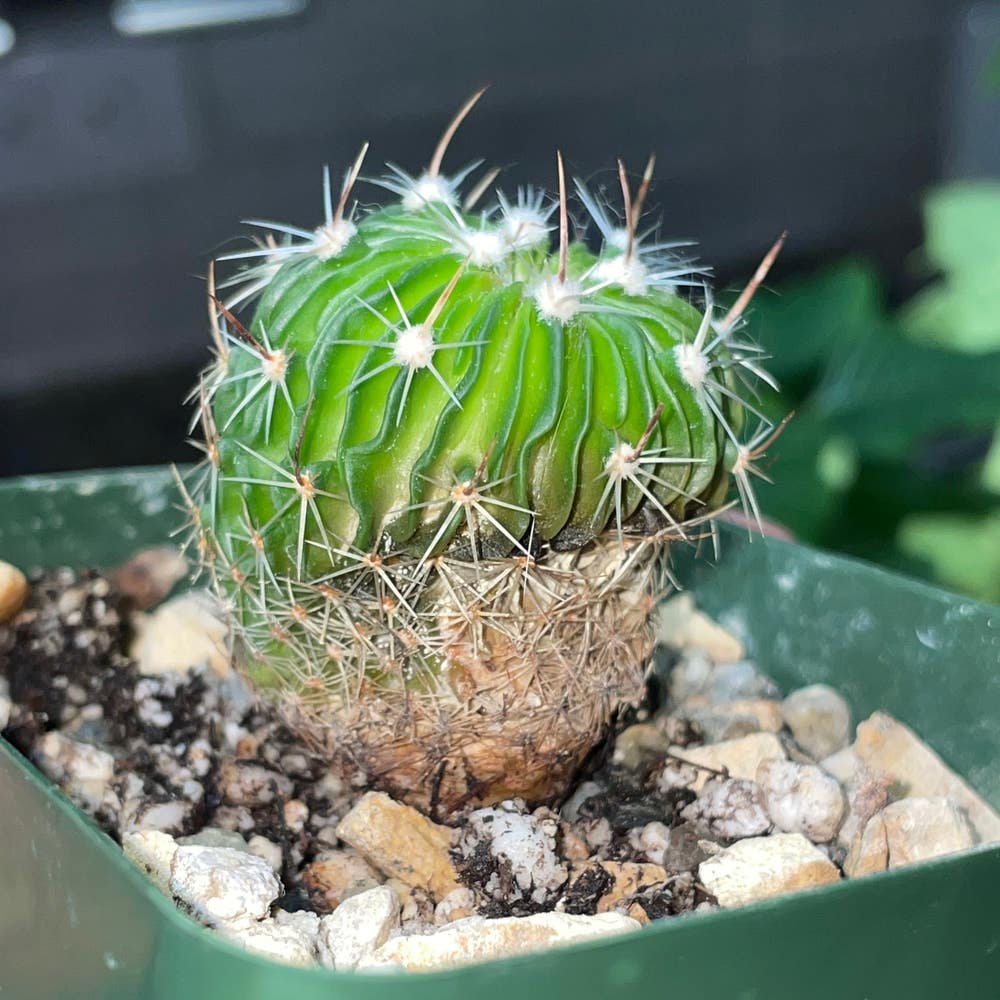
Thelocactus conothelos
By the Greg Editorial Team
Jun 18, 2024•3 min read
This article was created with the help of AI so we can cover more plants for you. May contain errors. See one? Report it here.
Decode your Hooked Cactus's SOS 🌵 and nurse it back to health with these simple fixes!
- Wrinkled or yellowing leaves? Check watering habits for under or overwatering.
- Temperature consistency prevents wilting and stress in your cactus.
- Bright, indirect light is best; watch for tan or stretched-out leaves.
When Underwatering Takes a Toll
🌵 Spotting the Signs of Thirst
Underwatering transforms your Hooked Cactus into a desert castaway—sans the survival skills. Wrinkled leaves are the cactus's version of a distress flag, while a soil so dry it repels water is a clear cry for help. If the plant's new growth looks as vibrant as a faded photograph and the tips are browning like toast, it's time to reevaluate your watering schedule.
Quenching the Thirst
To revive your parched Hooked Cactus, gradual rehydration is key. Start by soaking the pot in water for a few minutes, ensuring moisture reaches the roots without overwhelming them. Between waterings, let the soil dry out to avoid root rot. If your cactus perks up like it just had a shot of espresso, you're on the right track. Keep a close eye on it and adjust your watering strategy as needed—less is often more in the cactus world.

Overwatering: A Soggy Situation
💧 Recognizing Overwatering Symptoms
Yellowing leaves and a mushy base are the hallmarks of an overwatered Hooked Cactus. If the soil feels more like a wetland than a desert, you've gone overboard with the H2O. A healthy cactus should never resemble a water balloon; plump is good, but saturated is a no-go. When the stems feel softer than a ripe avocado, it's time to rethink your watering strategy.
🏜️ Drying Out the Problem
First, halt all watering until the soil is as dry as a stand-up comedian's wit. If the pot's drainage is as poor as a blocked sink, consider repotting with a cactus-friendly mix that drains faster than a bathtub. Trim away any rotten roots—they're as useful as a chocolate teapot. In the future, water only when the soil feels dry a couple of inches down, like checking a cake with a toothpick. Remember, your cactus craves neglect; it's the strong, silent type.

Feeling the Heat: Temperature Stress
🌡️ Identifying Temperature-Related Stress
Temperature extremes can turn your Hooked Cactus into a desert drama queen. Wilting leaves are a cry for help, signaling that your cactus is too hot to handle. Look for leaves that resemble overcooked veggies—crispy, discolored, and downright sad. These are signs that your cactus is baking in the heat.
🧊 Keeping the Cool (or Warmth)
Consistency is your cactus's best friend. Avoid placing it near radiators, stoves, or air conditioning units, as these can cause dramatic temperature swings. If your cactus is shivering from the cold, consider moving it to a warmer spot, away from drafty windows or doors. In the face of a heatwave, create a makeshift oasis with shade or relocate your cactus to a cooler area. Remember, gradual changes are the golden rule—no sudden temperature plot twists for your spiky friend.

The Right Light: Sunlight Exposure Issues
🌞 Spotting Light-Related Stress
If your Hooked Cactus is sporting a tan or its leaves are looking like they've been through a fryer, it's had too much sun. On the flip side, a cactus stretching out like it's reaching for something just out of grasp is craving light. These visual cues are your plant's SOS signals.
🎯 Finding the Sweet Spot
To prevent further leaf dropping, it's all about location, location, location. Move your cactus to a spot with bright, indirect light—think of it as setting up a cozy reading nook for your plant. If you're tech-savvy, consider using a light meter to dial in on that Goldilocks zone. Remember, your cactus isn't trying to get a tan; it's trying to survive.
⚠️ Safety First
This content is for general information and may contain errors, omissions, or outdated details. It is not medical, veterinary advice, or an endorsement of therapeutic claims.
Always consult a qualified healthcare professional before using any plant as food, medicine, or supplement.
Never eat any plant (or feed one to pets) without confirming its identity with at least two trusted sources.
If you suspect poisoning, call Poison Control (800) 222-1222, the Pet Poison Helpline (800) 213-6680, or your local emergency service immediately.
Spotted an error? Please report it here.
Revive your Hooked Cactus with Greg's custom reminders for watering and light 🌵, ensuring it thrives in your unique home environment.