🌵 Hooked Cactus Zones
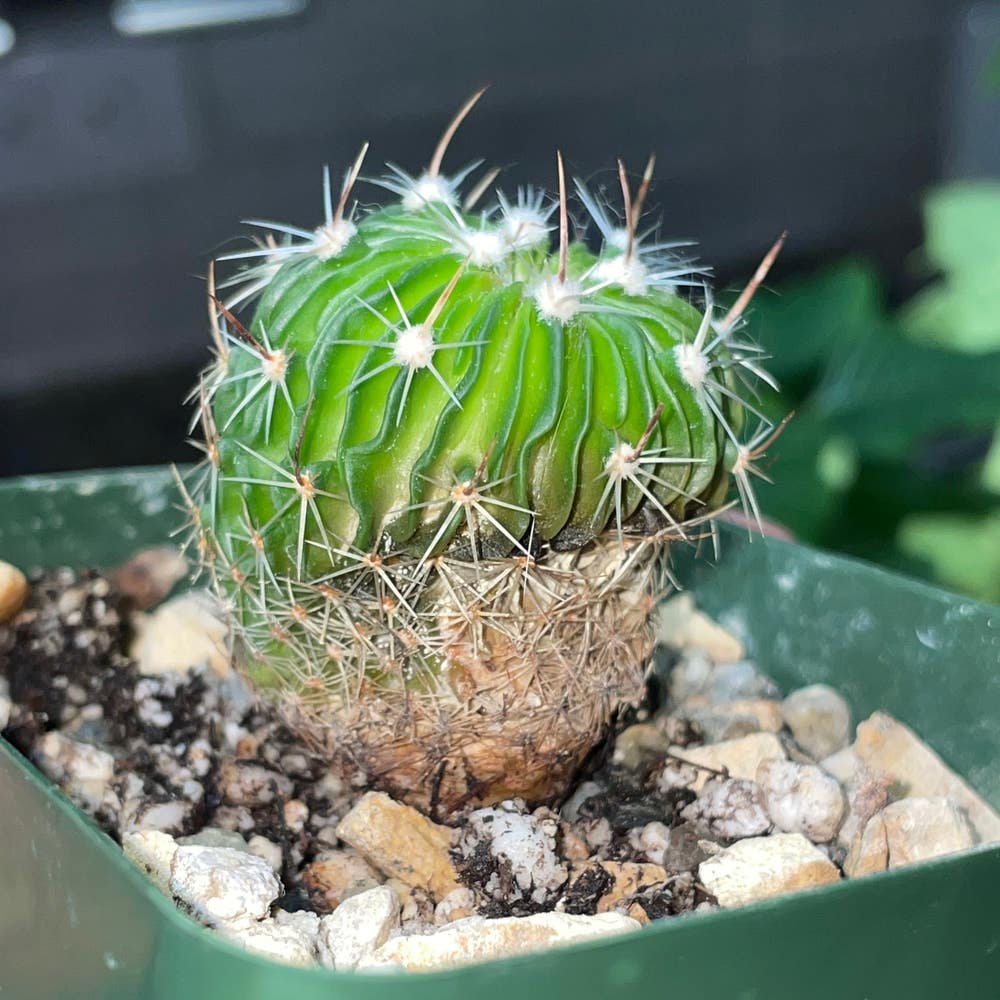
Thelocactus conothelos
By the Greg Editorial Team
Sep 30, 2024•4 min read
This article was created with the help of AI so we can cover more plants for you. May contain errors. See one? Report it here.
Unlock the secret to thriving hooked cacti by mastering their temperature needs and ideal growing conditions! 🌵
- 🌡️ Hooked cacti thrive between 70°F and 90°F, tolerating extremes from 20°F to 100°F.
- ☀️ Full sun and well-drained soil are essential for optimal growth and flowering.
- 🌍 Microclimates enhance growth potential, allowing cacti to thrive in varied conditions.
Temperature Tolerance
❄️ Cold Tolerance Specifics
Hooked cacti can withstand temperatures as low as 20°F (-6°C). This cold tolerance is crucial for their survival, especially in regions where frost can occur.
Frost can damage or kill cacti, so understanding their limits helps gardeners protect these resilient plants. Proper placement and care can mitigate frost risks, ensuring your cactus thrives.
☀️ Heat Tolerance Specifics
On the flip side, hooked cacti can endure heat up to 100°F (38°C) and even higher. However, prolonged exposure to extreme heat can stress the plant, affecting its health and growth.
Monitoring heat levels is essential, especially during summer months. Providing shade during peak hours can help maintain their vitality.
🌡️ Ideal Temperature Ranges for Growth
For optimal growth, hooked cacti thrive in temperatures between 70°F and 90°F (21°C to 32°C). This range promotes healthy development and flowering.
Temperature fluctuations within this range can stimulate blooming, making it vital for gardeners to create an environment that mimics these conditions. Understanding these nuances can lead to a more vibrant cactus garden.
With a solid grasp of temperature tolerances, you're well on your way to cultivating healthy hooked cacti. Next, let’s explore the ideal growing regions for these fascinating plants.
Ideal Growing Regions
🌵 Examples of US States Suitable for Hooked Cactus
When it comes to growing hooked cactus, certain states shine brighter than others.
Arizona is a top contender, boasting an ideal desert climate with minimal frost.
California also offers southern regions that provide warm temperatures and well-drained soils, perfect for these resilient plants.
Nevada rounds out the list with its arid conditions that favor cactus growth, making it a suitable habitat.
🌞 Factors Contributing to Ideal Conditions
Several factors contribute to the ideal growing conditions for hooked cactus.
Soil requirements are crucial; these plants thrive in well-drained, sandy, or rocky soils that prevent water retention.
Sunlight exposure is equally important, as full sun is essential for optimal growth and flowering.
Lastly, watering needs are minimal; hooked cactus are drought-resistant and require low moisture, making them perfect for dry climates.
Understanding these factors can help you create the perfect environment for your hooked cactus to flourish.
As we explore further, let’s dive into the fascinating world of microclimates and their impact on cactus growth.
Microclimates and Their Impact
🌍 Definition and Importance
Microclimates are localized climate zones that differ from the surrounding areas. They can significantly influence plant growth, making them crucial for understanding where certain species, like the hooked cactus, can thrive.
Local conditions, such as elevation, proximity to water, and urban heat, play a pivotal role in determining plant viability. Recognizing these factors can help gardeners and enthusiasts create optimal environments for their plants.
🌱 How Microclimates Can Extend Growing Zones
Microclimates can create favorable conditions that extend beyond typical hardiness zones. This means that plants may flourish in areas where they would otherwise struggle due to temperature extremes.
For instance, urban settings often have heat-retaining surfaces that create warmer microclimates. Similarly, sheltered areas and south-facing slopes can provide additional warmth and protection, allowing hooked cacti to thrive even in less-than-ideal conditions.
Understanding microclimates empowers gardeners to maximize their growing potential. By leveraging these unique local conditions, you can cultivate a diverse range of plants that might not typically survive in your region.
As we explore the state-level hardiness zone analysis, consider how these microclimates might influence your gardening choices and plant selections.
State-Level Hardiness Zone Analysis
🌵 Suitable US States
When it comes to growing hooked cacti, certain states shine brighter than others.
- Arizona: This state boasts Zones 9-10, offering a perfect desert climate with minimal frost.
- California: Particularly in the southern regions, California also falls within Zones 9-10, providing warm temperatures and well-drained soils.
- Nevada: With Zones 8-9, Nevada's arid conditions create an ideal environment for these resilient plants.
- Texas: The southern regions of Texas sit in Zone 8, making it another suitable location for hooked cacti.
🚫 Unsuitable US States and Reasons
Not every state is a cactus paradise, though.
- Alaska: The extreme cold and prolonged frost make it a no-go for hooked cacti.
- Minnesota: Harsh winters with temperatures that plunge well below freezing create an inhospitable environment.
- Maine: This state experiences significant frost periods, making it unsuitable for these heat-loving plants.
- North Dakota: Severe winters and short growing seasons further limit the viability of hooked cacti here.
Understanding these hardiness zones helps you choose the right location for your hooked cactus. With the right conditions, these plants can thrive and bring a touch of the desert to your garden. Next, let’s explore how microclimates can impact cactus growth and extend their growing zones.
⚠️ Safety First
This content is for general information and may contain errors, omissions, or outdated details. It is not medical, veterinary advice, or an endorsement of therapeutic claims.
Always consult a qualified healthcare professional before using any plant as food, medicine, or supplement.
Never eat any plant (or feed one to pets) without confirming its identity with at least two trusted sources.
If you suspect poisoning, call Poison Control (800) 222-1222, the Pet Poison Helpline (800) 213-6680, or your local emergency service immediately.
Spotted an error? Please report it here.
Maximize your hooked cacti's blooming potential 🌼 with Greg's tailored care tips that adapt to your unique environment and keep them thriving in their ideal temperature zones!