Ultimate Guide to What's Eating Your Helichrysum 🐛
Helichrysum basalticum
By the Greg Editorial Team
Nov 07, 2024•8 min read
This article was created with the help of AI so we can cover more plants for you. May contain errors. See one? Report it here.
Safeguard your beautiful Helichrysum from hungry herbivores with these essential garden tips! 🌼
- 🌼 Helichrysum attracts herbivores like deer and rabbits due to its nutritional value.
- 🦌 Effective deterrents include fencing, repellents, and strategic plant placement to protect Helichrysum.
- 🌱 Regular monitoring and seasonal awareness are key to maintaining healthy Helichrysum plants.
Appearance and Appeal
🌼 Description
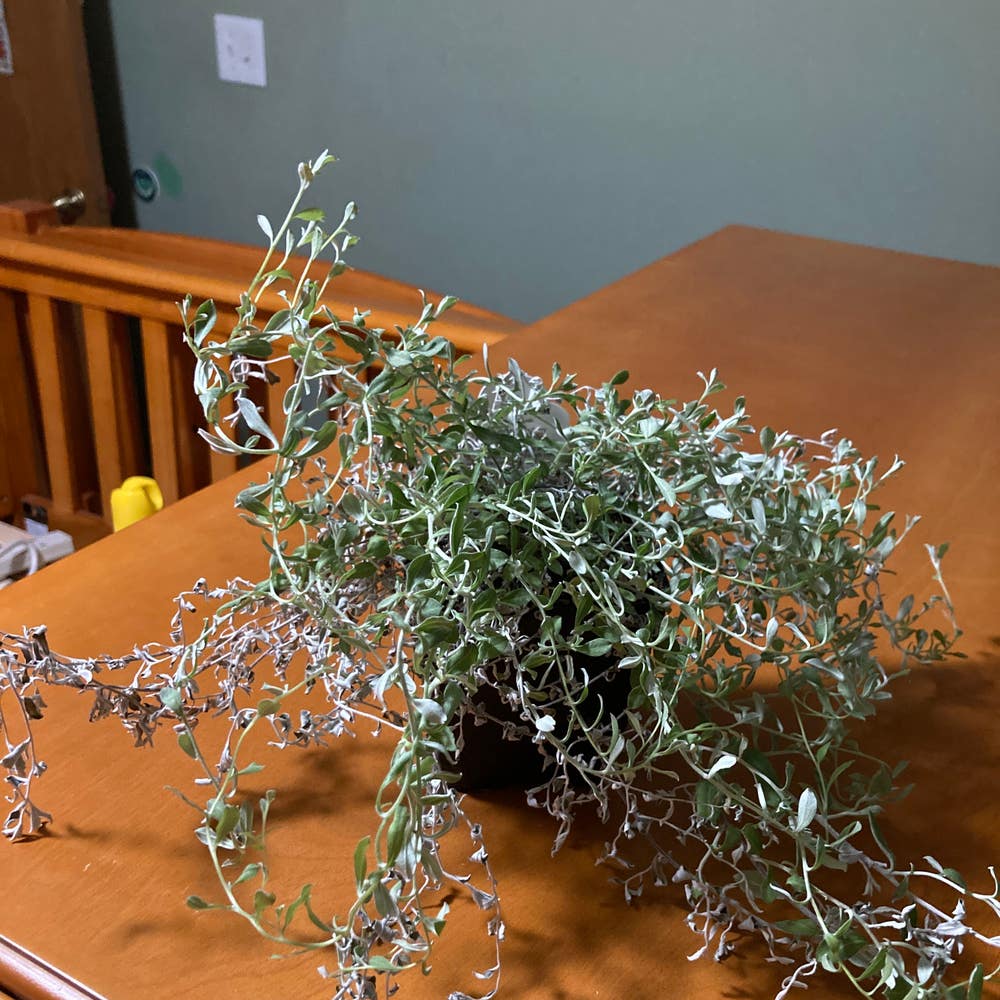
Helichrysum is a stunning plant, known for its bright, vibrant flowers that boast a unique papery texture. Typically growing in a compact, bushy structure, these plants reach heights of 1 to 3 feet, making them perfect for garden borders or containers.
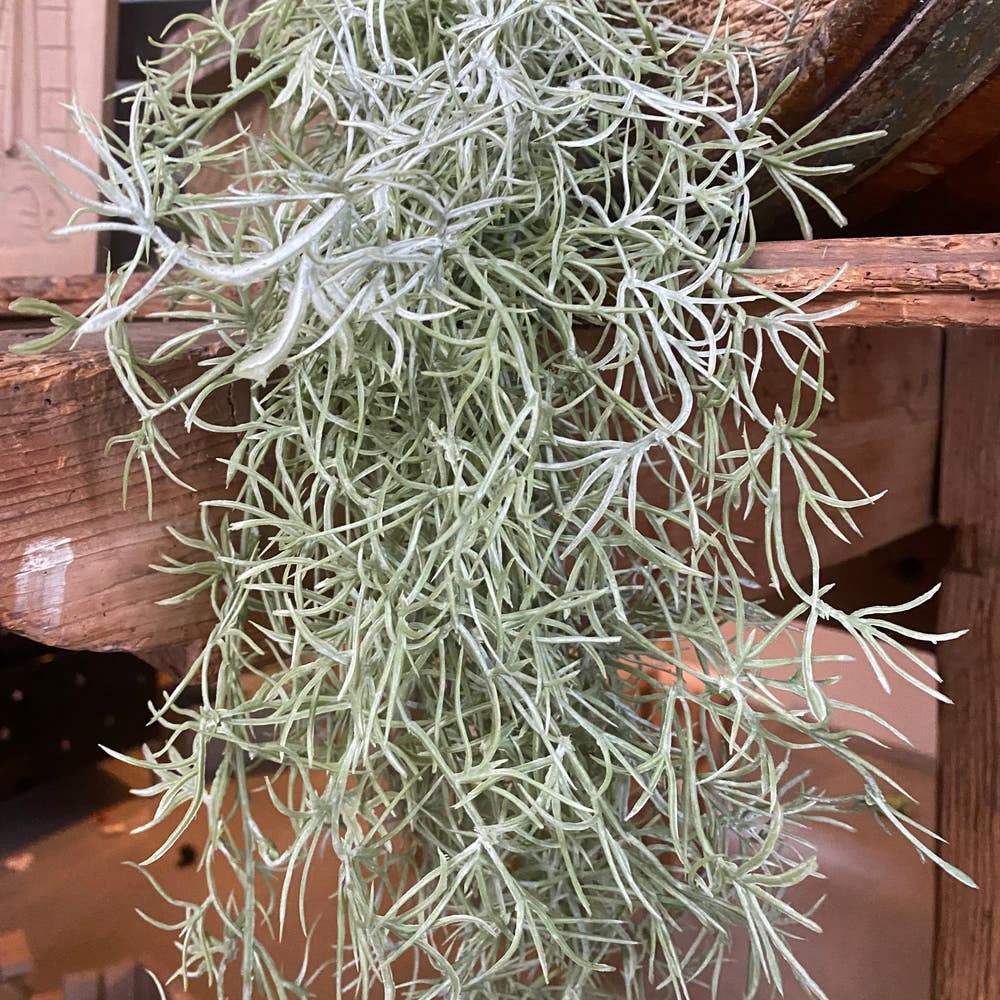
The leaves of Helichrysum are silvery-green and aromatic, which can deter some herbivores. This natural defense mechanism adds to the plant's charm while providing a layer of protection against potential threats.
🐾 Most Appealing Parts to Animals
While Helichrysum is beautiful to us, its flowers are particularly appealing to various herbivores. These nutrient-rich and tender blooms attract a range of animals looking for a tasty snack.
Additionally, the young shoots of Helichrysum are soft and packed with high nutritional value. Grazing animals find these shoots irresistible, making them a prime target for herbivorous visitors.
Understanding these appealing features can help gardeners protect their Helichrysum from unwanted nibblers. With this knowledge, you can take proactive steps to ensure your plants thrive despite their allure.
As we delve deeper into the common herbivores that might be drawn to your Helichrysum, it’s essential to recognize the signs of their presence and the types of damage they can inflict.
Common Herbivores
🦌 Deer
Signs of Presence
Deer are often the most noticeable herbivores in gardens. Look for distinct hoof prints in the soil and irregularly chewed leaves and flowers.
Type of Damage
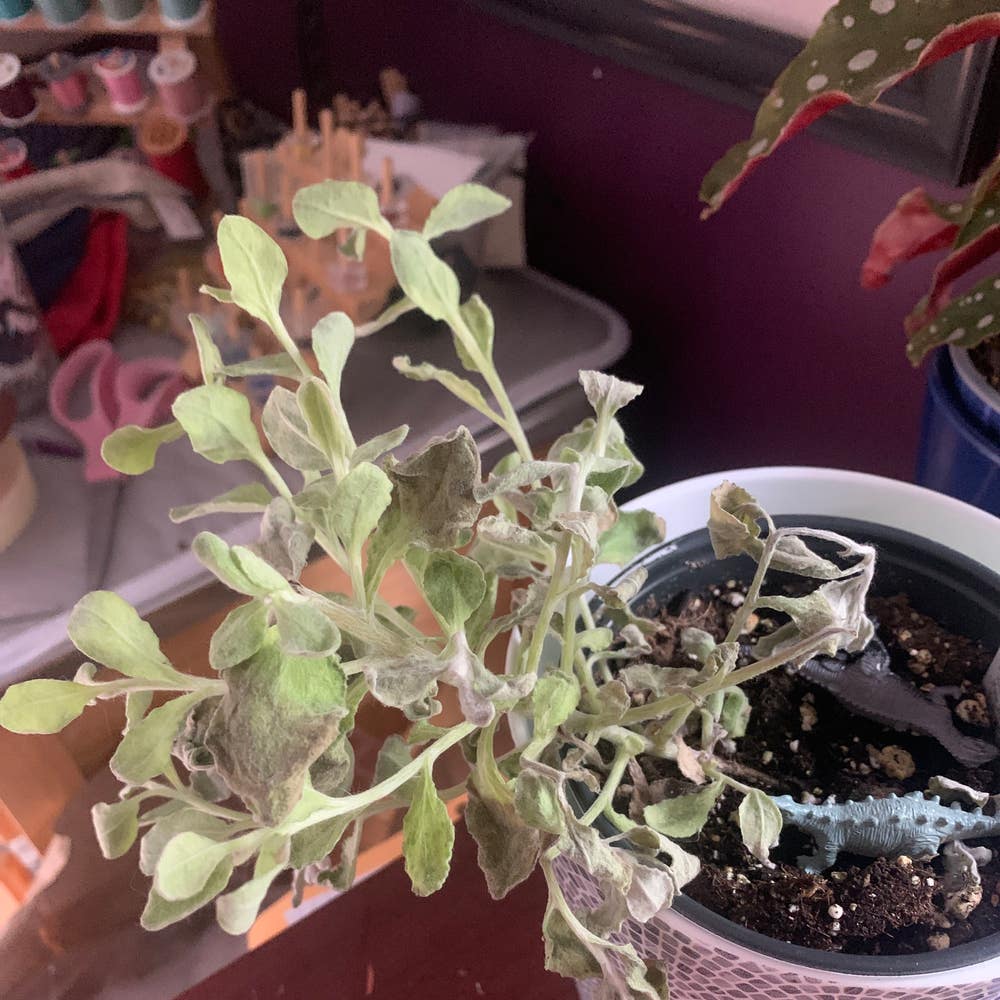
These creatures can cause severe defoliation, stunted growth, and even plant death. Their appetite for Helichrysum can quickly decimate populations.
Interaction
Deer are generally harmful to your plants. Their grazing habits can lead to significant losses in your garden.
Deterrent Methods (difficulty: moderate)
To protect your Helichrysum, consider installing 8-foot tall fencing to keep deer at bay. Additionally, commercial deer repellents or homemade solutions, like garlic spray, can help deter these animals.
🐇 Rabbits
Signs of Presence
Rabbits leave behind clean cuts on young shoots and small, round droppings near the plants. These signs indicate their presence and potential threat.
Type of Damage
Rabbits can cause significant loss of foliage and young shoots. Their nibbling can lead to noticeable plant decline.
Interaction
Like deer, rabbits are generally harmful to Helichrysum. Their feeding habits can severely impact plant health.
Deterrent Methods (difficulty: easy)
To keep rabbits away, cover your plants with mesh netting. You can also use organic repellents, such as scents like peppermint or cayenne pepper, to deter them.
🐿️ Squirrels
Signs of Presence
Squirrels leave gnaw marks on bark or stems and disturb the soil around the base of plants. These signs can indicate their foraging behavior.
Type of Damage
They can strip bark and uproot young plants, causing significant damage. This can weaken your Helichrysum and potentially lead to plant death.
Interaction
Squirrels are generally harmful to your garden. Their activities can compromise plant integrity.
Deterrent Methods (difficulty: moderate)
To deter squirrels, use scare tactics like reflective objects or noise-making devices. Live traps can also be effective for relocating them.
🐦 Birds
Signs of Presence
Look for pecking holes in leaves or flowers and nearby nests. These signs indicate that birds are frequent visitors.
Type of Damage
Birds can consume seeds and flowers, leading to reduced flowering. Their presence can have mixed effects on your garden.
Interaction
While some birds are beneficial pollinators, others can cause damage. It's essential to monitor their impact on your Helichrysum.
Deterrent Methods (difficulty: easy)
To keep birds away, place fake predators as decoys or hang shiny materials to deter them. These methods can help protect your plants.
🐭 Rodents
Signs of Presence
Rodents create small burrows or trails in the soil and leave behind small, dark droppings near the plants. These signs can indicate a rodent problem.
Type of Damage
They can cause root damage and stem girdling, which can be detrimental to plant health. Their activities can lead to plant death.
Interaction
Rodents are generally harmful to your garden. Their feeding habits can severely impact your Helichrysum.
Deterrent Methods (difficulty: hard)
To manage rodent populations, use snap traps or live traps for removal. Habitat modification, such as reducing nearby cover and food sources, can also help.
🦡 Groundhogs
Signs of Presence
Groundhogs leave large burrows near plants and distinctive, large bite marks on stems and leaves. These signs indicate their presence and potential threat.
Type of Damage
They can cause extensive grazing, leading to significant plant loss. Their feeding can devastate garden areas.
Interaction
Groundhogs are generally harmful to your Helichrysum. Their grazing habits can lead to severe damage.
Deterrent Methods (difficulty: moderate)
To deter groundhogs, bury fencing 12 inches underground to prevent burrowing. You can also use commercial or homemade scents that deter these animals.
Understanding the common herbivores that threaten your Helichrysum is crucial for effective garden management. By recognizing their signs and implementing appropriate deterrent methods, you can protect your plants and maintain a thriving garden. Next, we will explore the beneficial animals that play a vital role in your garden ecosystem.
Beneficial Animals
🐝 Pollinators
Pollinators play a crucial role in the ecosystem, acting as nature's matchmakers for plants. They facilitate the transfer of pollen, which is essential for plant reproduction and the production of seeds.
The benefits of these busy creatures extend beyond just Helichrysum. Increased pollination leads to a higher yield of flowers and seeds, which supports biodiversity in your garden. This not only enhances the beauty of your space but also attracts a variety of wildlife, creating a vibrant ecosystem.
By fostering a welcoming environment for pollinators, you contribute to the health of your garden and the planet. Their presence can transform your Helichrysum plants into a flourishing spectacle, showcasing the interconnectedness of life.
As you cultivate your garden, remember that every flower you nurture is a step towards supporting these vital pollinators. Embrace their role and watch your garden thrive with life and color.
With a solid understanding of the benefits of pollinators, let’s explore effective protection strategies to keep your Helichrysum safe from herbivores.
Protection Strategies
🛡️ Preventive Measures
To safeguard your Helichrysum, strategic plant placement is key. Position these beauties away from known herbivore pathways to minimize encounters.
Companion planting can also be a game-changer. Pair Helichrysum with plants that deter herbivores or attract beneficial insects, creating a natural defense system.
⚠️ Reactive Solutions
Monitoring your plants regularly is essential. Keep an eye out for signs of herbivore damage, as early detection can save your garden.
Once you spot any issues, take immediate action. Implement deterrent methods right away to protect your Helichrysum from further harm.
🌍 Ecosystem Balance
Understanding the role of herbivores in the ecosystem is crucial. Managing interactions thoughtfully allows you to maintain a healthy balance, benefiting both your plants and local wildlife.
By employing these protection strategies, you can enjoy the vibrant beauty of Helichrysum while minimizing the impact of herbivores. Next, let’s explore seasonal considerations that affect your garden's dynamics.
Seasonal Considerations
🌱 Variations in Attraction
As the seasons change, so does the behavior of herbivores in your garden. In spring, these critters become particularly active, drawn to the tender shoots of Helichrysum, which are soft and nutrient-rich.
By summer, the vibrant flowers bloom, attracting not only herbivores but also beneficial pollinators. This dual attraction can create a bustling ecosystem, but it also means you need to keep an eye on your plants.
⏰ Timing of Vulnerability
Young shoots are at their most vulnerable in early spring. During this time, they can be easily damaged by hungry herbivores looking for a quick snack.
In contrast, mature Helichrysum plants are more resilient and can withstand some nibbling. Understanding these seasonal dynamics helps you protect your plants effectively and maintain a thriving garden.
With this knowledge, you can better prepare for the seasonal shifts and ensure your Helichrysum remains healthy and vibrant. Next, let’s explore the toxicity and safety of Helichrysum in your garden.
Toxicity and Safety
⚠️ Toxic Effects
While Helichrysum is generally safe, some species can exhibit mild toxicity. Consuming large quantities may lead to digestive upset in animals, which is something to keep in mind if you have curious pets or wildlife nearby.
🌿 Garden Management Implications
Understanding the potential toxicity of Helichrysum can significantly aid in managing animal interactions. By being aware of these effects, you can create a balanced ecosystem that minimizes harm while still supporting the vibrant life around your garden.
This knowledge empowers you to make informed decisions about plant placement and care, ensuring a thriving environment for both your plants and the wildlife that visits them.
As you cultivate your Helichrysum, remember that a little awareness goes a long way in fostering harmony in your garden. Now, let's explore how to implement effective protection strategies to safeguard your plants from herbivores.
⚠️ Safety First
This content is for general information and may contain errors, omissions, or outdated details. It is not medical, veterinary advice, or an endorsement of therapeutic claims.
Always consult a qualified healthcare professional before using any plant as food, medicine, or supplement.
Never eat any plant (or feed one to pets) without confirming its identity with at least two trusted sources.
If you suspect poisoning, call Poison Control (800) 222-1222, the Pet Poison Helpline (800) 213-6680, or your local emergency service immediately.
Spotted an error? Please report it here.
Keep your Helichrysum thriving 🌼 by using Greg's tailored care tips and reminders to outsmart herbivores and enjoy its vibrant beauty all season long!