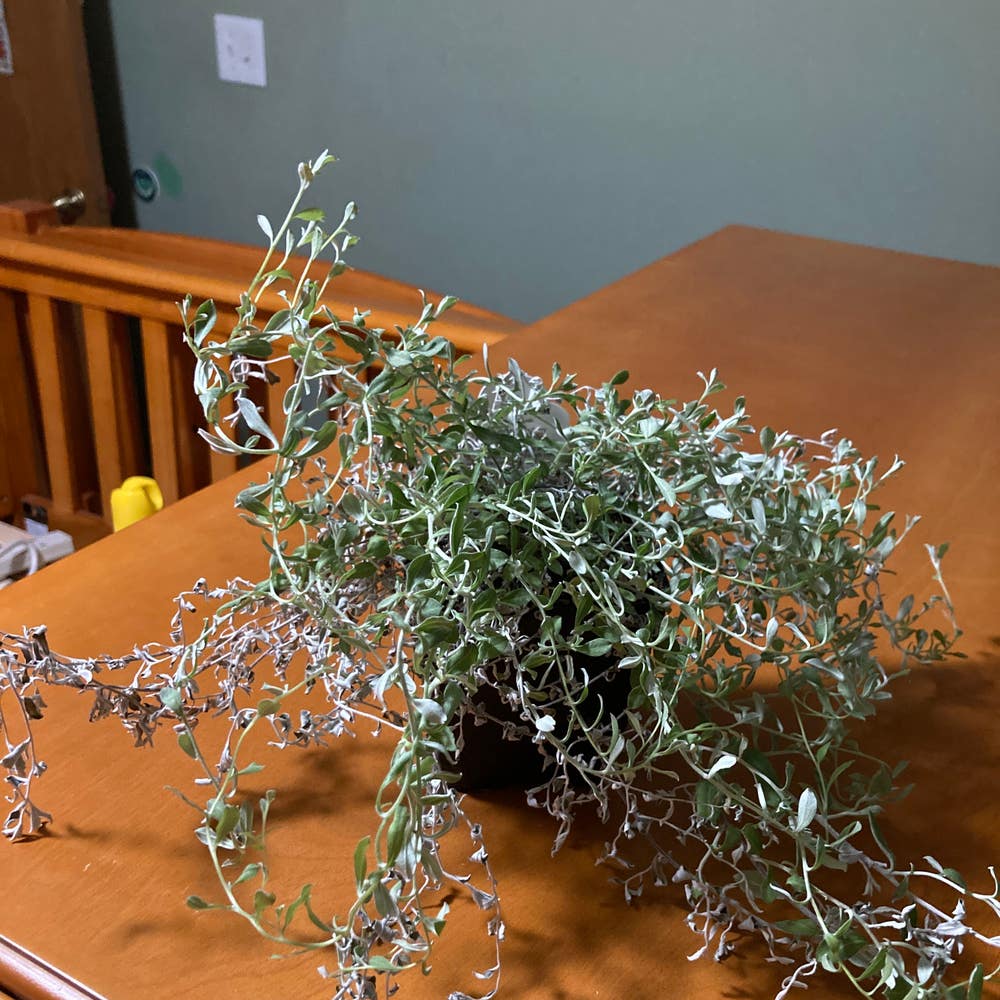
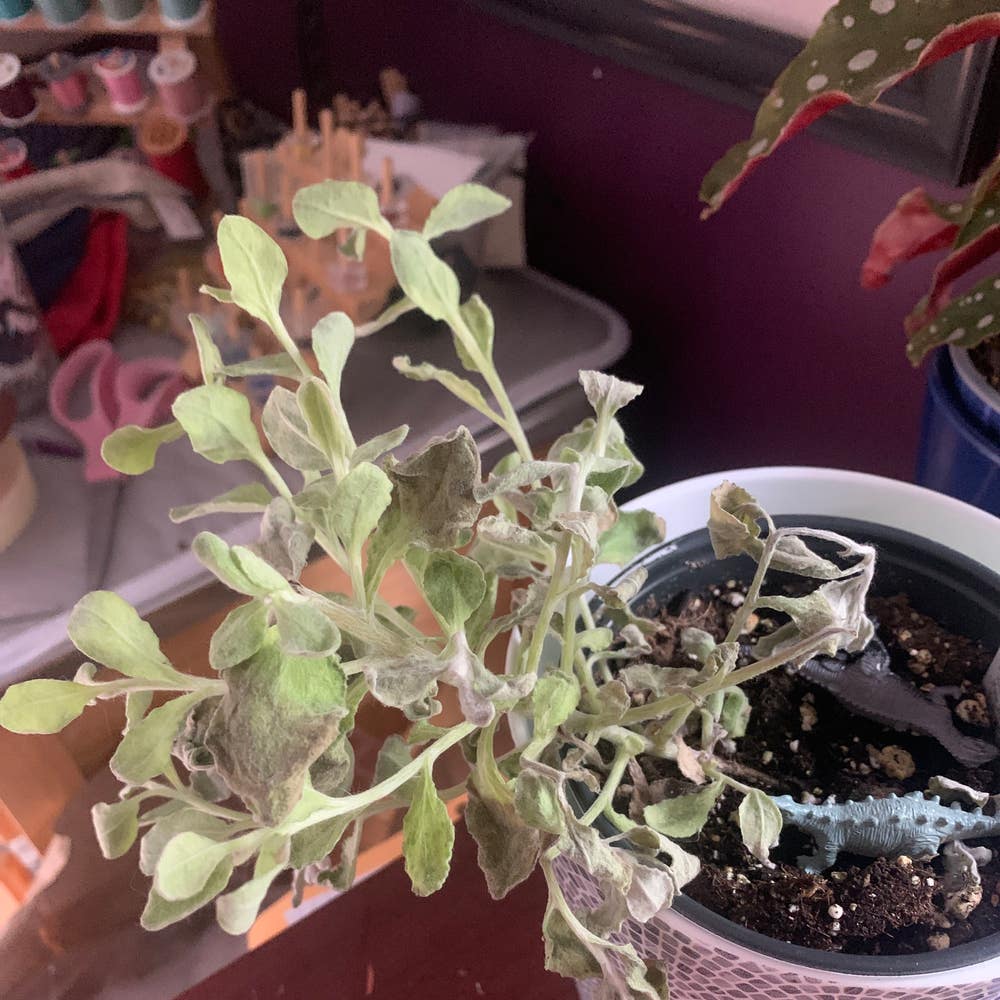
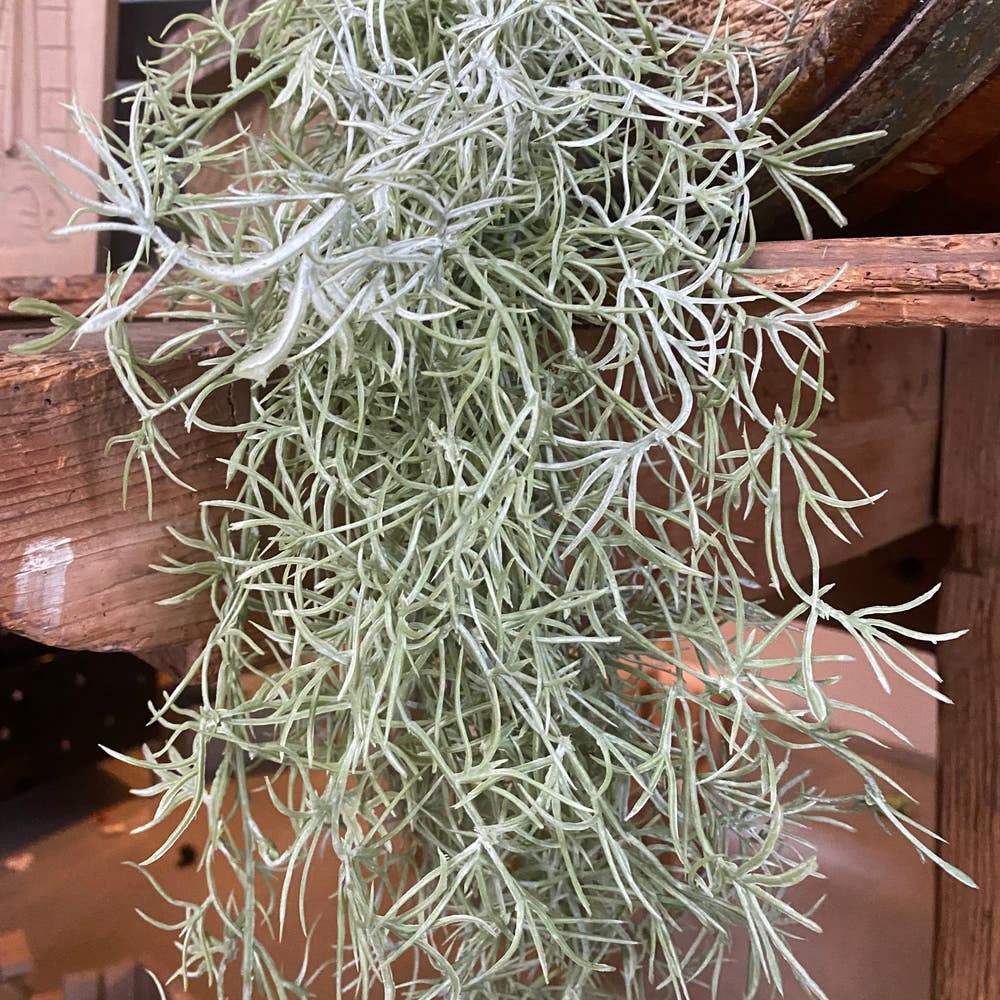
🪴 How to Know When to Repot Your Helichrysum
Helichrysum basalticum
By the Greg Editorial Team
Nov 07, 2024•6 min read
This article was created with the help of AI so we can cover more plants for you. May contain errors. See one? Report it here.
Unlock your Helichrysum's full potential 🌱 by learning the essential signs and steps for successful repotting!
- 🌱 Check for root-bound signs like roots out of drainage holes or stunted growth.
- 🏺 Repot in early spring or post-flowering to reduce stress on your Helichrysum.
- 💧 Use well-draining soil and pots with drainage holes to prevent root rot.
Signs That Helichrysum Needs Repotting
🌱 Identifying Root-Bound Conditions
Recognizing when your Helichrysum is root-bound is crucial for its health. Look for roots growing out of the drainage holes, circling the surface of the soil, or stunted growth despite your best care.
Timely repotting can prevent stress and promote healthy growth. Ignoring these signs may lead to a struggling plant that fails to thrive.
🔍 Assessing Root Health Before Repotting
Before repotting, it's essential to check the health of the roots. Gently remove the plant from its pot and inspect the root system; healthy roots should be white or light tan and firm, while unhealthy roots may appear brown or mushy.
Look for signs of rot or disease, and trim any damaged roots before repotting. This step ensures your Helichrysum has the best chance for recovery and growth in its new pot.
⏰ Timing for Repotting Helichrysum
Timing is everything when it comes to repotting Helichrysum. The best times to repot are early spring, just before new growth begins, or after flowering to minimize stress.
Consider seasonal changes and the plant's growth cycles to ensure a smooth transition. Proper timing can make all the difference in your plant's health and vitality.
Choosing the Right Pot
🪴 Best Materials for Helichrysum Pots
Selecting the right pot material is crucial for your Helichrysum's health.
- Terracotta: This classic choice excels in drainage and air circulation, making it ideal for preventing root rot.
- Plastic: Lightweight and moisture-retaining, plastic pots are convenient but can lead to drainage issues if not monitored closely.
- Ceramic: While aesthetically pleasing, ceramic pots can retain excess moisture, which may not be suitable for Helichrysum.
⚖️ Pros and Cons of Plastic vs. Terracotta Pots
Understanding the benefits and drawbacks of different pot materials can help you make an informed choice.
Plastic Pots:
- Pros: They are lightweight, affordable, and come in various sizes, making them easy to handle.
- Cons: Their poor drainage can lead to root rot if you’re not careful about watering.
Terracotta Pots:
- Pros: These pots provide excellent drainage and breathability, perfect for drought-tolerant plants like Helichrysum.
- Cons: They are heavier, can break easily, and may dry out faster than other materials.
📏 Size Considerations for Helichrysum Pots
Choosing the right pot size is essential for your plant's growth and health.
- The new pot should be 1-2 inches larger in diameter than the current one to allow for root expansion.
- Avoid oversized pots, as they can lead to overwatering and root rot, which can be detrimental to your Helichrysum.
Depth also matters; ensure the pot is deep enough to accommodate the roots without crowding.
With the right pot material and size, your Helichrysum will thrive, setting the stage for successful repotting. Next, let’s dive into the step-by-step process of repotting your plant effectively.
Repotting Process
Step-by-Step Guide to Repotting Helichrysum 🌱
Repotting your Helichrysum can seem daunting, but with a clear plan, it’s a straightforward process. Here’s a step-by-step guide to help you through it.
- Prepare the new pot: Ensure it has drainage holes to prevent waterlogging.
- Choose the right soil: Use a well-draining soil mix specifically designed for Helichrysum.
- Remove the plant: Gently take the plant out of its current pot, loosening the soil around the roots.
- Inspect the roots: Look for any damaged or overly long roots and trim them as necessary.
- Replant: Place the Helichrysum in the new pot, keeping it at the same depth as before.
- Fill with soil: Add soil around the plant, gently pressing down to eliminate air pockets.
- Water thoroughly: Give it a good drink to help settle the soil and hydrate the plant.
How to Handle Roots During Repotting 🤲
Handling roots properly is crucial for your plant's recovery.
- Gentle touch: Avoid excessive pulling or tearing of the roots.
- Use sharp tools: Employ clean, sharp scissors for any necessary trimming.
Maintaining root integrity is vital for the overall health of your Helichrysum.
Soil Mix Recommendations for Helichrysum 🌾
The right soil mix can make all the difference in your plant's growth.
- Ideal composition: Aim for a mix of 50% potting soil, 30% perlite, and 20% sand to enhance drainage.
- pH balance: Ensure the soil pH is between 6.0 and 7.0 for optimal growth.
Choosing the right soil mix not only supports healthy root development but also promotes vibrant foliage.
With these steps, your Helichrysum will be well on its way to thriving in its new home. Next, let’s explore how to care for your plant after repotting to ensure it adjusts smoothly.
Post-Repotting Care
💧 Watering Schedule After Repotting
After repotting your Helichrysum, it's crucial to water it immediately. This helps settle the soil around the roots and eliminates air pockets.
For ongoing care, allow the top inch of soil to dry out before watering again. Keep an eye out for signs of overwatering, such as yellowing leaves, or underwatering, like wilting.
☀️ Light Requirements Post-Repotting
Light is essential for your plant's recovery. Place your Helichrysum in bright, indirect sunlight for the first few weeks to help it acclimate.
Once it shows signs of settling in, gradually reintroduce it to full sun exposure. This gradual transition helps prevent stress and promotes healthy growth.
⚠️ Monitoring for Transplant Shock
Transplant shock can be a concern after repotting. Watch for signs like wilting, yellowing leaves, or slowed growth, which indicate your plant is struggling.
To minimize shock, avoid fertilizing immediately after repotting. Instead, focus on maintaining consistent care and environmental conditions to help your Helichrysum thrive in its new home.
With proper post-repotting care, your Helichrysum will bounce back and flourish, setting the stage for vibrant growth ahead. Next, let’s explore common mistakes to avoid during the repotting process.
Common Mistakes in Repotting
🌱 Overpotting vs. Underpotting Helichrysum
Overpotting can be a sneaky trap for Helichrysum enthusiasts. When you choose a pot that's too large, excess soil retains moisture, which can lead to root rot.
On the flip side, underpotting limits root space, causing stunted growth and potentially leading to root-bound conditions. Finding the right balance is key to a thriving plant.
🚰 Ignoring Drainage Needs
Proper drainage is crucial for Helichrysum health. Always ensure your pots have adequate drainage holes to prevent water from pooling at the bottom.
Additionally, using the right soil mix enhances drainage. A well-draining mix keeps roots happy and healthy.
🌿 Not Acclimating the Plant After Repotting
Acclimation is often overlooked but essential for your plant's transition. Gradually introduce your Helichrysum to its new environment to minimize stress.
Keep an eye out for signs of stress, like wilting or yellowing leaves. Adjust your care routine as needed to help your plant settle in comfortably.
With these common mistakes in mind, you're better equipped to ensure your Helichrysum thrives after repotting. Next, let’s explore the post-repotting care that will keep your plant flourishing.
⚠️ Safety First
This content is for general information and may contain errors, omissions, or outdated details. It is not medical, veterinary advice, or an endorsement of therapeutic claims.
Always consult a qualified healthcare professional before using any plant as food, medicine, or supplement.
Never eat any plant (or feed one to pets) without confirming its identity with at least two trusted sources.
If you suspect poisoning, call Poison Control (800) 222-1222, the Pet Poison Helpline (800) 213-6680, or your local emergency service immediately.
Spotted an error? Please report it here.
Transform your Helichrysum's growth with Greg's tailored repotting reminders 🌱, ensuring you know the perfect time and method to help your plant flourish in its new pot!