🌼 Ultimate Guide to Fertilizing Helichrysum
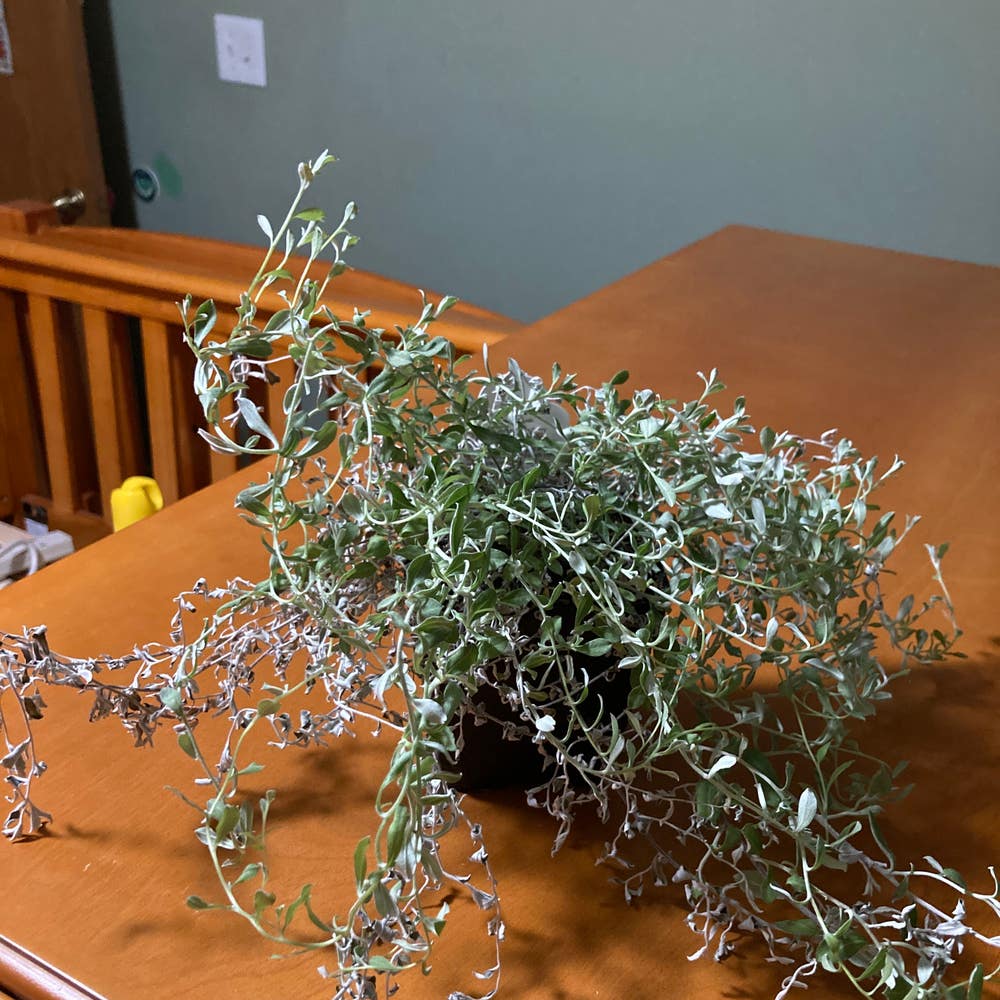
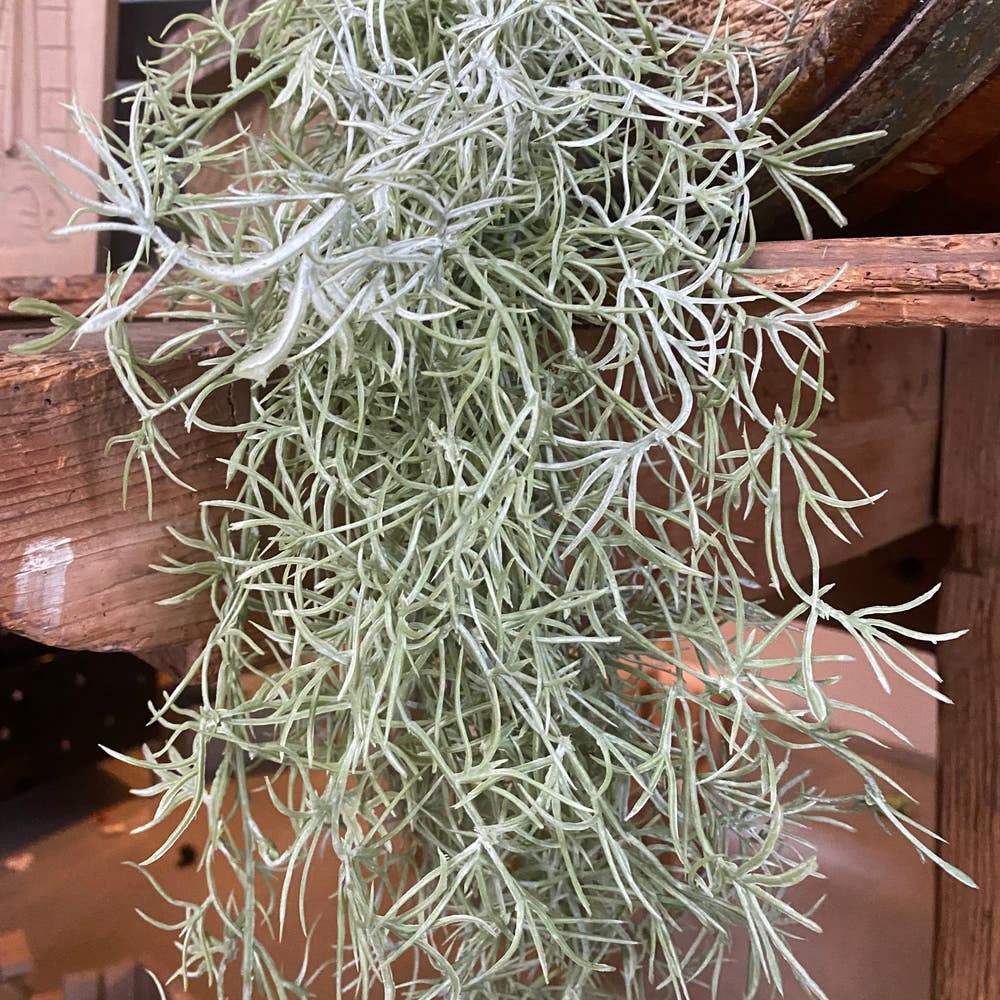
Helichrysum basalticum
By the Greg Editorial Team
Nov 07, 2024•6 min read
This article was created with the help of AI so we can cover more plants for you. May contain errors. See one? Report it here.
Master the art of fertilizing Helichrysum 🌼 for vibrant blooms and lush growth all year round!
- 🌱 Choose the right fertilizer—organic enriches soil, synthetic boosts nutrients quickly.
- 📅 Fertilize in spring and mid-summer; watch for yellow leaves as a sign.
- ⚖️ Understand N-P-K ratios: use nitrogen for growth, phosphorus for blooming.
Types of Fertilizers Suitable for Helichrysum
🌱 Recommended Fertilizers
When it comes to fertilizing Helichrysum, choosing the right type of fertilizer is crucial for healthy growth. You can opt for organic options like compost, well-rotted manure, and fish emulsion, which enrich the soil naturally.
On the other hand, synthetic fertilizers with a balanced N-P-K ratio are also effective. These provide a quick nutrient boost, ensuring your plants thrive.
⏳ Slow-Release Fertilizers
For those looking for convenience, slow-release fertilizers are a fantastic choice. Granular formulations allow for extended feeding, releasing nutrients gradually over time.
Application methods are straightforward. Simply sprinkle the granules around the base of the plant and water them in, timing your applications according to the growth cycle of your Helichrysum.
In summary, whether you prefer organic or synthetic fertilizers, both have their merits. Selecting the right type will set your Helichrysum on a path to vibrant growth and blooming.
Next, let’s explore when to fertilize your Helichrysum for optimal results.
When to Fertilize Helichrysum
🌱 Seasonal Fertilization Schedule
Timing is everything when it comes to fertilizing Helichrysum. Start in early spring as growth resumes; this is when your plants are waking up and ready to thrive.
In mid-summer, provide a boost to support blooming. Finally, in late summer, prepare your plants for dormancy by tapering off fertilization. This seasonal schedule helps ensure your Helichrysum remains healthy and vibrant throughout the year.
👀 Signs That Helichrysum Needs Fertilization
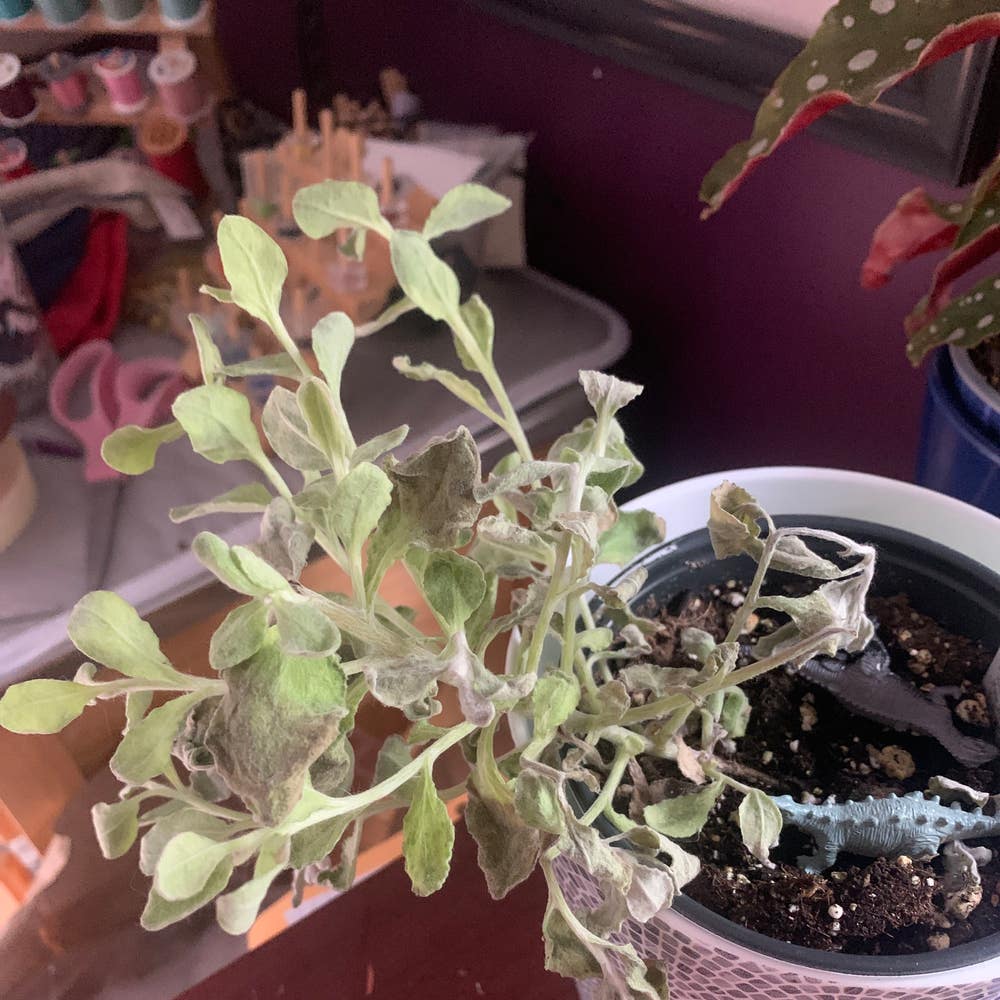
Keep an eye out for visual indicators that your Helichrysum might need a nutrient boost. Yellowing leaves, stunted growth, and reduced blooming are all signs that your plant is craving more nutrients.
Soil testing is also crucial. Regular checks can reveal nutrient levels, helping you determine if it's time to fertilize. This proactive approach can save your plants from nutrient deficiencies.
⏰ Timing for Fertilizing During Growth and Blooming Phases
During the growth phase, focus on nitrogen-rich fertilizers to promote lush, green foliage. This is essential for establishing a robust plant.
As your Helichrysum transitions into the blooming phase, shift your attention to phosphorus-rich fertilizers. This change supports vibrant blooms and overall plant health. Adjusting your fertilization strategy according to these phases will yield the best results.
With these guidelines in mind, you can ensure your Helichrysum receives the right nutrients at the right time, setting the stage for a flourishing garden. Next, let’s explore how much to fertilize Helichrysum for optimal growth.
How Much to Fertilize Helichrysum
Recommended Fertilizer Ratios (N-P-K) 🌱
When fertilizing Helichrysum, understanding the right N-P-K ratios is crucial. During the vegetative stage, opt for a higher nitrogen ratio, such as 10-5-5, to promote lush, green growth.
As your plants transition into the blooming phase, shift to a fertilizer with higher phosphorus, like 5-10-5. This change supports vibrant flowers and overall plant health.
Dosage Guidelines for Different Growth Stages 📏
Dosage varies depending on the growth stage of your Helichrysum. For seedlings, use a diluted solution at 1/4 strength to avoid overwhelming them.
Established plants can handle full-strength fertilizers as per the product instructions. This ensures they receive the nutrients they need for robust growth.
Adjusting Fertilizer Amounts Based on Soil Quality 🧪
Assessing your soil quality is essential for effective fertilization. Poor soils may require more frequent applications, while nutrient-rich soils can often sustain plants with less fertilizer.
Tailoring your fertilizer amounts based on soil quality helps prevent over-fertilization. Regular soil testing can guide you in making these adjustments, ensuring your Helichrysum thrives without the risk of nutrient burn.
With a solid understanding of how much to fertilize, you can nurture your Helichrysum effectively. Next, let’s explore how to avoid over-fertilization and its potential pitfalls.
Avoiding Over-Fertilization
🌱 Symptoms of Over-Fertilization
Over-fertilization can be detrimental to your Helichrysum plants. Look out for visual signs such as leaf burn, where the edges turn brown, and excessive leaf growth accompanied by a lack of flowers.
Long-term effects can be even more concerning, leading to root damage and a decline in overall plant vigor. If you notice these symptoms, it’s crucial to take action quickly.
🚿 How to Flush Excess Nutrients from the Soil
If you suspect over-fertilization, flushing the soil can help restore balance. Here’s a simple step-by-step technique:
- Water Generously: Start by thoroughly watering the plant with clean water. Aim for enough to saturate the soil and allow excess water to drain out of the bottom.
- Repeat: Continue this process several times, allowing the water to drain completely each time. This helps wash away the excess nutrients.
- Monitor: After flushing, keep an eye on your plants for signs of recovery.
This method can help mitigate the effects of over-fertilization and promote healthier growth.
🛡️ Best Practices to Prevent Over-Fertilization
Preventing over-fertilization is easier than dealing with its consequences. Regular soil testing is essential to understand nutrient levels and adjust your fertilization routine accordingly.
Additionally, observe your plants closely. Healthy plants will show vibrant growth and blooming. If you notice any signs of distress, it may be time to reassess your fertilization strategy.
By staying proactive, you can ensure your Helichrysum thrives without the risk of over-fertilization.
As we move forward, let’s explore troubleshooting common fertilization issues to keep your plants in peak condition.
Troubleshooting Fertilization Issues
Common Fertilization Problems and Solutions 🌱
Fertilization issues can lead to nutrient deficiencies in Helichrysum, which manifest through various symptoms. Look out for yellowing leaves, stunted growth, or reduced blooming, as these are clear indicators that your plant may need a nutrient boost.
To correct these deficiencies, first identify the specific nutrient lacking. For example, if your Helichrysum shows signs of nitrogen deficiency, consider applying a nitrogen-rich fertilizer to promote lush, green growth.
How to Amend Soil for Better Nutrient Absorption 🧑🌾
Improving soil quality is crucial for optimal nutrient absorption. Start by adding organic matter, such as compost or well-rotted manure, to enrich the soil and enhance its structure.
Additionally, adjusting the soil pH can significantly impact nutrient availability. Aim for a pH level between 6.0 and 7.0 for Helichrysum, as this range supports the best nutrient uptake.
Addressing Deficiencies in Helichrysum 🔍
Identifying specific nutrient deficiencies in Helichrysum requires careful observation. For instance, if you notice purpling leaves, it could indicate a phosphorus deficiency, while browning leaf tips may suggest potassium issues.
Soil testing is an effective way to pinpoint deficiencies. Regularly check nutrient levels to ensure your plants receive the right balance for healthy growth and vibrant blooms.
By staying vigilant and proactive, you can effectively troubleshoot fertilization issues and keep your Helichrysum thriving. Next, we’ll explore how to avoid over-fertilization and its associated problems.
⚠️ Safety First
This content is for general information and may contain errors, omissions, or outdated details. It is not medical, veterinary advice, or an endorsement of therapeutic claims.
Always consult a qualified healthcare professional before using any plant as food, medicine, or supplement.
Never eat any plant (or feed one to pets) without confirming its identity with at least two trusted sources.
If you suspect poisoning, call Poison Control (800) 222-1222, the Pet Poison Helpline (800) 213-6680, or your local emergency service immediately.
Spotted an error? Please report it here.
Boost your Helichrysum's growth and blooms with smart fertilization tips 🌱 from Greg, ensuring you never miss a nutrient boost with personalized reminders and soil testing guidance!