Why Helichrysum Is Not an Annual
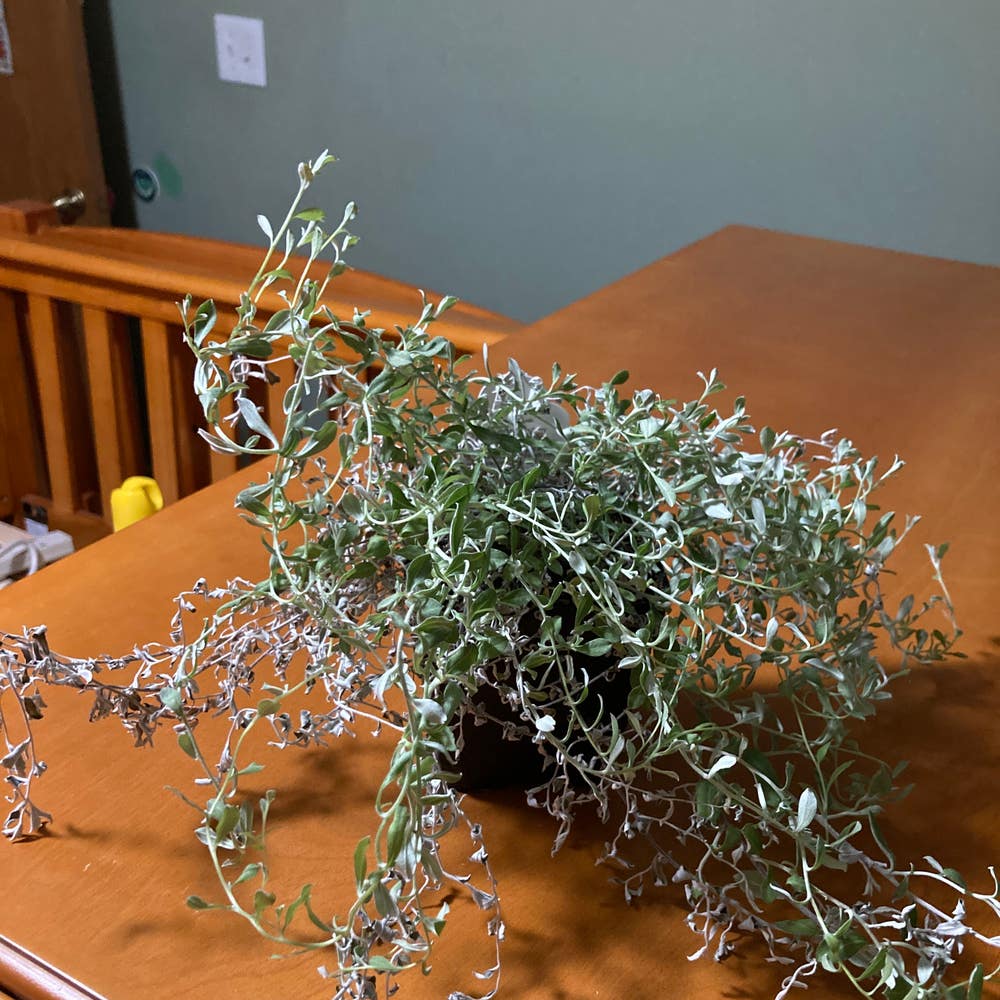
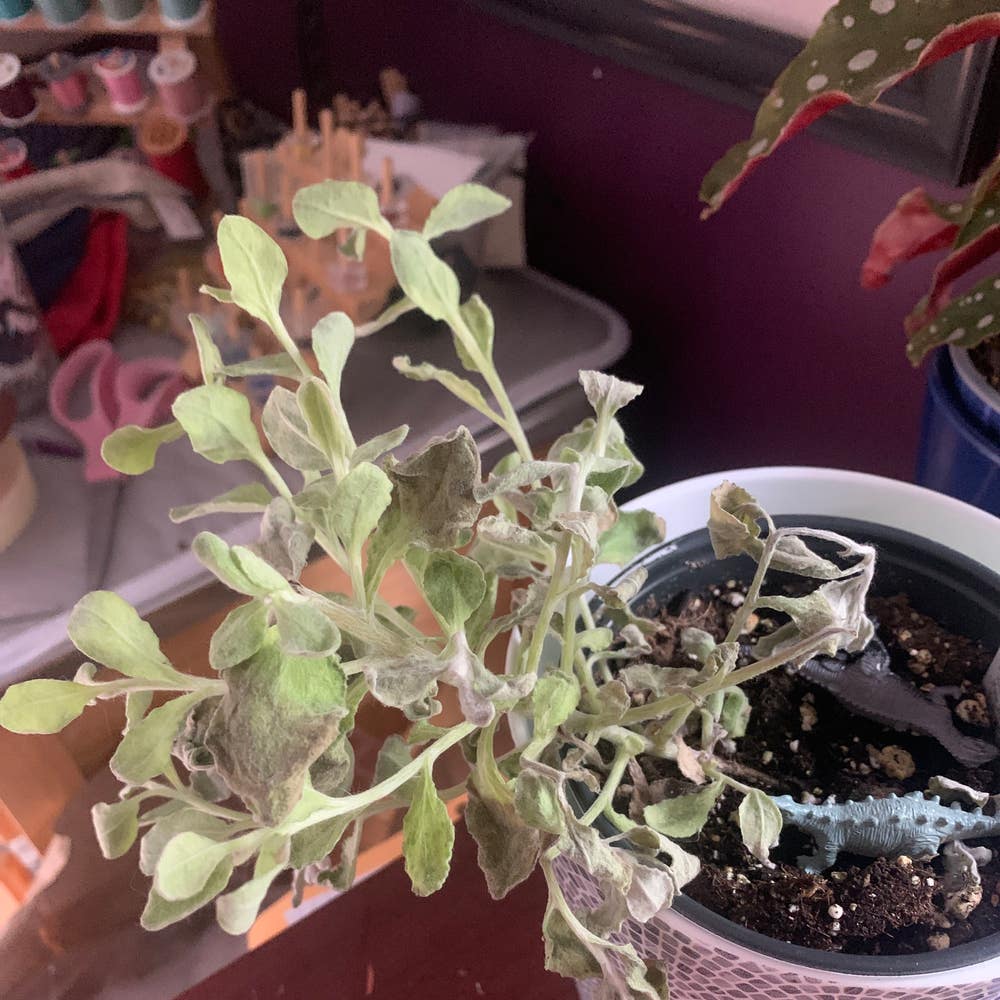
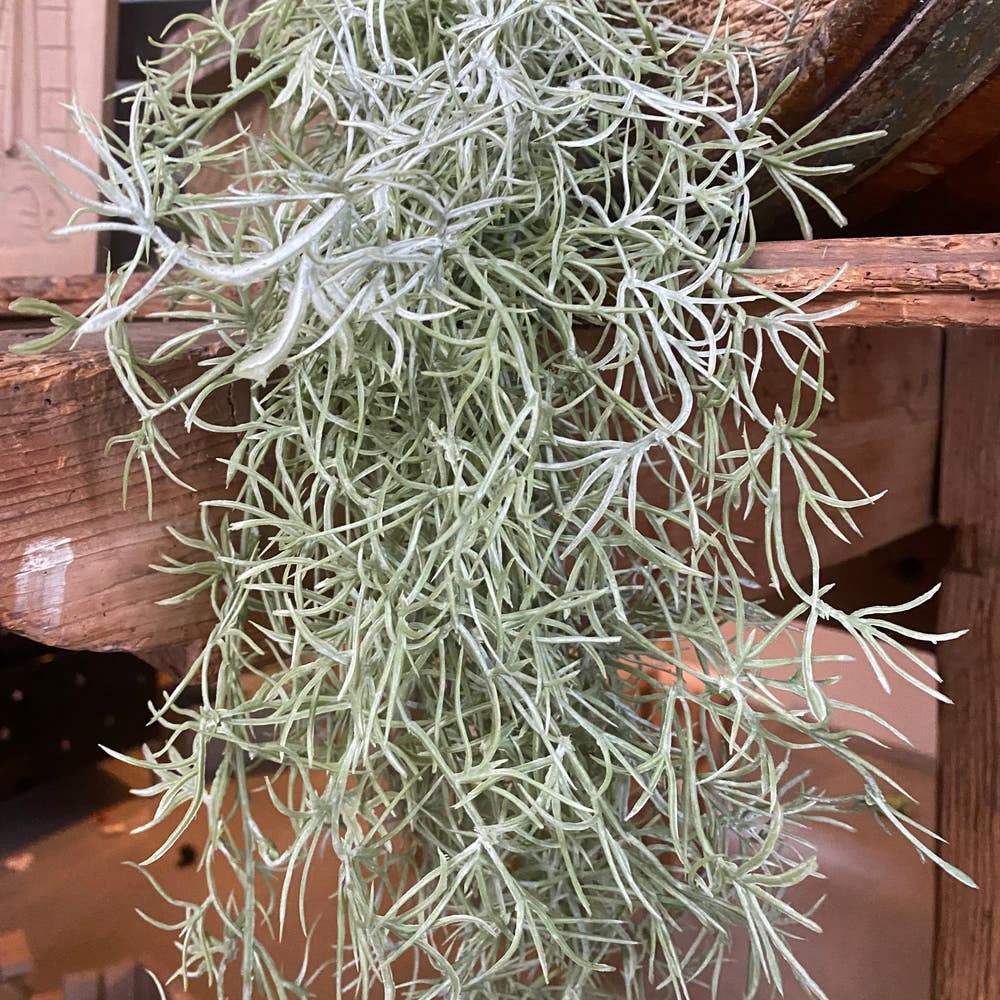
Helichrysum basalticum
By the Greg Editorial Team
Nov 07, 2024•5 min read
This article was created with the help of AI so we can cover more plants for you. May contain errors. See one? Report it here.
Unlock the secret to a vibrant, resilient garden with Helichrysum's unique perennial traits! 🌼🌱
- 🌼 Helichrysum is a perennial, thriving for years with proper care and conditions.
- 🌱 Unique lifecycle phases include dormancy and growth, unlike typical annuals.
- 🌍 Resilient and adaptable, Helichrysum enhances gardens while supporting local pollinators.
Helichrysum as a Perennial
🌱 Genetic Characteristics
Helichrysum plants possess unique chromosomal structures that enable them to adapt for long-term growth. This genetic makeup contributes to their resilience, allowing them to thrive even in adverse conditions.
🌳 Physiological Traits Supporting Perennial Growth
The woody stem structure of Helichrysum provides essential stability and longevity. Coupled with a deep and extensive root system, these plants efficiently absorb nutrients and water, ensuring their survival through various environmental challenges.
⏳ Long-Term Lifecycle
Helichrysum undergoes distinct growth phases: initial establishment, mature growth, and dormancy. Typically, these plants have a lifespan of several years, with some varieties living even longer, showcasing their perennial nature.
In summary, understanding the genetic and physiological traits of Helichrysum highlights its classification as a perennial. This knowledge sets the stage for exploring how these characteristics influence its lifecycle compared to true annuals.
Lifecycle Comparison
🌱 Growth Patterns vs. True Annuals
Helichrysum exhibits a slower initial growth phase compared to true annuals. This gradual establishment allows it to develop a robust foundation, which is essential for its long-term survival.
Maturity in Helichrysum takes longer, meaning it requires more time to reach its full size and flowering potential. This extended growth period is a hallmark of perennials, setting them apart from their annual counterparts.
🌼 Flowering Cycles and Seed Production Differences
One of the standout features of Helichrysum is its continuous flowering throughout the growing season. This persistent bloom not only enhances garden aesthetics but also supports local pollinators.
When it comes to seed production, Helichrysum employs various strategies to maximize seed viability and dispersal. These methods ensure that even in less-than-ideal conditions, the plant can propagate effectively.
🌿 Reproductive Strategies
Helichrysum utilizes both asexual and sexual reproduction strategies. Asexual reproduction occurs through clonal growth via rhizomes or offsets, allowing the plant to spread without relying solely on seeds.
In terms of sexual reproduction, Helichrysum has developed effective pollination strategies that enhance seed development. This dual approach to reproduction is a key factor in its resilience and adaptability in diverse environments.
As we delve deeper into the gardening implications of Helichrysum, understanding its lifecycle and reproductive strategies will help you make informed decisions for your garden.
Regional Variations and Misconceptions
🌱 Conditions Where Helichrysum May Be Treated as an Annual
Helichrysum can sometimes be misclassified as an annual due to specific environmental conditions. Frost, extreme temperatures, and moisture levels can significantly impact its growth, leading gardeners to treat it as a short-lived plant.
In addition, poor soil drainage can cause root rot, further complicating its survival. When Helichrysum is planted in less-than-ideal conditions, it may struggle to thrive, prompting the misconception that it is an annual.
🤔 Common Misconceptions About Classification
One prevalent misunderstanding is regarding Helichrysum's hardiness. Many believe it cannot survive cold winters, which is far from the truth for many varieties.
Another source of confusion arises from its appearance. Helichrysum closely resembles some annual varieties, leading to misclassification. This can result in gardeners missing out on the benefits of this resilient perennial.
Understanding these regional variations and misconceptions is crucial for proper cultivation. By recognizing the true nature of Helichrysum, gardeners can make informed decisions that enhance their gardening experience.
As we delve deeper into gardening implications, we’ll explore how to effectively incorporate Helichrysum into your garden design.
Gardening Implications
🌼 Advantages in Garden Design
Helichrysum brings a vibrant splash of color to any garden with its drought-resistant flowers. These hardy plants not only enhance aesthetics but also attract pollinators and beneficial insects, creating a lively ecosystem.
🌱 Planning for Perennial Use
When incorporating Helichrysum into your garden, consider companion planting. Pairing it with other perennials can enhance growth and create a harmonious environment.
Placement is crucial for optimal growth. Ensure your Helichrysum receives adequate sunlight and has well-drained soil to thrive.
⏳ Tips for Maximizing Longevity
Soil preparation is key to a healthy Helichrysum. Focus on creating well-drained, nutrient-rich soil to support its growth.
Watering practices also play a vital role. Strive for a balance that provides moisture without risking overwatering, which can lead to root rot.
With these strategies, you can enjoy the beauty and benefits of Helichrysum in your garden for years to come. Next, let’s explore the best management and care practices to keep your plants thriving.
Management and Care
Best Practices for Managing as a Perennial 🌱
To ensure your Helichrysum thrives as a perennial, proper pruning is essential. Regular pruning encourages bushy growth and maximizes flowering, giving your plants a fuller appearance.
Timing your fertilization is equally important. Use a balanced fertilizer in early spring to kickstart growth, and consider a slow-release option to maintain nutrient levels throughout the growing season.
Seasonal Considerations for Maintenance 🌸
Spring is the perfect time to prepare your Helichrysum for new growth. Clear away any debris and dead foliage to promote airflow and prevent disease.
In winter, protecting your plants from frost is crucial. Mulching around the base can help insulate roots and retain moisture, ensuring your Helichrysum survives the cold months.
Strategies for Promoting Healthy Growth 🐞
Pest management is key to maintaining healthy Helichrysum plants. Keep an eye out for common pests like aphids and spider mites, and use organic control methods such as insecticidal soap to manage infestations.
Disease prevention starts with vigilance. Recognize signs of disease early, such as yellowing leaves or wilting, and treat them promptly with appropriate organic solutions to keep your plants thriving.
With these management and care strategies, your Helichrysum will flourish, adding beauty and resilience to your garden. Next, let’s explore the gardening implications of incorporating this perennial into your landscape.
⚠️ Safety First
This content is for general information and may contain errors, omissions, or outdated details. It is not medical, veterinary advice, or an endorsement of therapeutic claims.
Always consult a qualified healthcare professional before using any plant as food, medicine, or supplement.
Never eat any plant (or feed one to pets) without confirming its identity with at least two trusted sources.
If you suspect poisoning, call Poison Control (800) 222-1222, the Pet Poison Helpline (800) 213-6680, or your local emergency service immediately.
Spotted an error? Please report it here.
Discover the perennial magic of Helichrysum 🌿 and let Greg guide you with tailored care tips to ensure your plants flourish season after season!