🌞 Actions to Take When Helichrysum Leaves Turn Yellow
Helichrysum basalticum
By the Greg Editorial Team
Nov 07, 2024•6 min read
This article was created with the help of AI so we can cover more plants for you. May contain errors. See one? Report it here.
Revive your yellowing Helichrysum leaves 🌿 by uncovering their hidden causes and restoring vibrant growth!
- 🌱 Yellow leaves indicate issues like overwatering, underwatering, or nutrient deficiencies.
- 💧 Establish a consistent watering schedule to prevent yellowing and promote healthy growth.
- 🐛 Regularly inspect for pests and treat promptly to maintain Helichrysum health.
Causes of Yellowing Leaves
💧 Overwatering and Root Rot
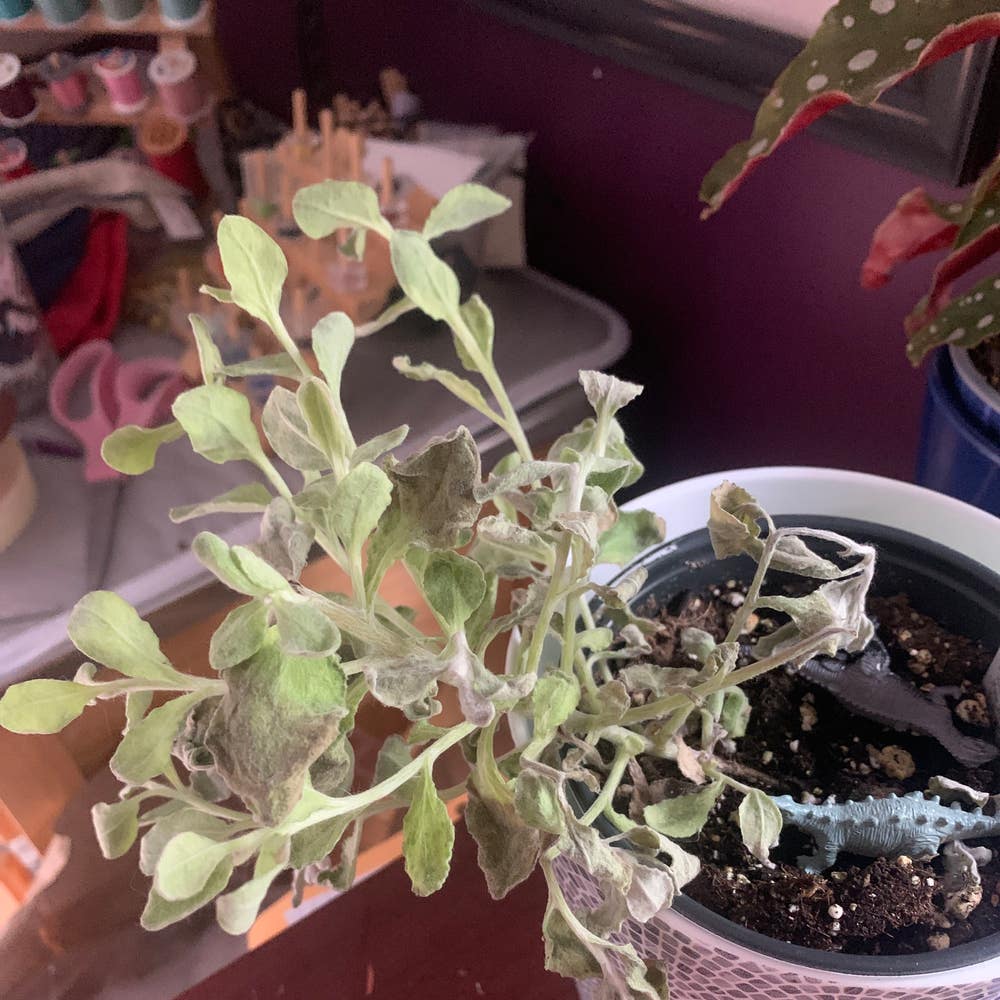
Yellowing leaves can often signal overwatering, which leads to wilting and mushy roots. This condition typically arises from poor drainage and excessive watering frequency, suffocating the roots and hindering nutrient uptake.
🌵 Underwatering and Drought Stress
Conversely, underwatering results in yellowing leaves with crispy edges and drooping. This stress is caused by infrequent watering and dry soil conditions, ultimately reducing the plant's growth and vitality.
🥦 Nutrient Deficiencies
Nitrogen Deficiency
A nitrogen deficiency manifests as general yellowing of older leaves and stunted growth. This issue usually stems from poor soil quality and a lack of fertilization.
Iron Deficiency
Iron deficiency presents itself as yellowing between leaf veins while the veins remain green. High soil pH and poor drainage can hinder nutrient availability, leading to this deficiency.
🐛 Pest Infestations
Aphids
Aphids can cause yellowing leaves, sticky residue, and distorted growth. These pests weaken plants and may transmit diseases, posing a significant threat to your Helichrysum.
Spider Mites
Spider mites create fine webbing and stippled yellowing on leaves. Their presence can reduce photosynthesis and overall plant vigor, making them a concern for plant health.
🌡️ Environmental Stress
Temperature
Extreme temperatures can lead to leaf curling, yellowing, and drop. Both heat and cold exposure can stress the plant, affecting its overall health.
Humidity
Low humidity levels can cause leaf drop and yellowing. Insufficient moisture retention in the air can significantly impact the plant's well-being.
Understanding these causes is crucial for diagnosing and treating yellowing leaves effectively. By identifying the underlying issues, you can take proactive steps to restore your Helichrysum to its vibrant state.
Diagnosing Yellow Leaves
🧐 Identifying Symptoms of Overwatering vs. Underwatering
Understanding the symptoms of overwatering and underwatering is crucial for maintaining healthy Helichrysum plants.
- Overwatering often manifests as yellowing leaves, wilting, and root rot.
- In contrast, underwatering leads to yellowing leaves with crispy edges and drooping stems.
⚠️ Recognizing Signs of Nutrient Deficiencies
Nutrient deficiencies can also cause yellowing leaves, signaling that your plant needs attention.
- Nitrogen deficiency typically results in the yellowing of older leaves, indicating poor growth.
- Iron deficiency presents as yellowing between leaf veins while the veins themselves remain green.
🐛 Checking for Pest Presence and Damage
Pests can wreak havoc on your Helichrysum, so regular inspections are essential.
- Conduct a visual inspection for pests on leaves and stems.
- Look for signs of damage such as distorted growth, fine webbing, or sticky residue.
🌡️ Assessing Environmental Conditions Affecting Plant Health
Environmental factors play a significant role in the health of your Helichrysum.
- Temperature should ideally range between 15°C to 25°C (59°F to 77°F) for optimal growth.
- Maintain humidity levels between 40% and 60% to support moisture retention.
By diagnosing these issues early, you can take proactive steps to restore your Helichrysum to its vibrant state. Next, we’ll explore effective treatments and alleviation strategies to address these yellowing leaves.
Treatment and Alleviation
🌊 Adjusting Watering Practices
To keep your Helichrysum healthy, start by establishing a consistent watering schedule based on soil moisture. This simple routine helps prevent both overwatering and underwatering, which are common culprits of yellowing leaves.
Use the finger test to gauge when to water. Stick your finger into the soil; if the top 1-2 inches feel dry, it’s time to water.
🌱 Fertilizing with Appropriate Nutrients
Next, focus on fertilizing with the right nutrients. A balanced fertilizer containing nitrogen and iron is ideal for promoting vibrant growth.
Apply this fertilizer during the growing season, specifically in spring and summer, every 4-6 weeks. This regular feeding will help replenish any nutrient deficiencies that may be causing yellowing.
🐛 Treating Pests with Organic or Chemical Solutions
If pests are the issue, it’s crucial to act quickly. For aphids, consider using insecticidal soap or neem oil, both of which are effective and environmentally friendly options.
For spider mites, increasing humidity can help, but you may also need to apply miticides if the infestation is severe. Keeping a close eye on your plants will help you catch these pests early.
🌧️ Improving Drainage and Soil Conditions
Improving drainage is essential for the health of your Helichrysum. Amend the soil with perlite or sand to enhance drainage, ensuring that excess water can escape easily.
Additionally, always check that your pots have drainage holes. This simple step prevents water accumulation, which can lead to root rot and yellowing leaves.
By following these treatment and alleviation strategies, you can restore your Helichrysum to its vibrant, healthy state. Next, let’s explore preventive measures to keep your plants thriving year-round.
Preventive Measures
Best Practices for Watering 🌊
Watering your Helichrysum correctly is crucial for its health. Aim to water deeply but infrequently, which encourages the roots to grow deeper and stronger.
Regularly monitor the soil moisture to avoid extremes. This simple practice can prevent both overwatering and underwatering, keeping your plant thriving.
Soil Amendments for Nutrient Balance 🌱
Enhancing your soil is key to a vibrant Helichrysum. Incorporate compost or well-rotted manure to enrich the soil with essential nutrients.
Additionally, testing your soil pH is vital. Adjust it as necessary to ensure optimal nutrient availability for your plant.
Regular Pest Monitoring and Control 🐞
Stay proactive with pest management by inspecting your plants weekly. Early detection of pests can save your Helichrysum from significant damage.
Consider implementing companion planting as a natural deterrent. This method not only protects your plants but also promotes a healthier garden ecosystem.
Optimal Light and Temperature Conditions ☀️
Helichrysum thrives in full sun, so provide it with 6-8 hours of sunlight daily. This exposure is essential for healthy growth and vibrant foliage.
Maintaining the right temperature is equally important. Keep your plant within the ideal range to prevent stress and ensure it flourishes.
By following these preventive measures, you can create an environment where your Helichrysum not only survives but thrives. Next, let’s explore seasonal considerations to further enhance your plant care routine.
Seasonal Considerations
🌞 Seasonal Watering Adjustments
During hot, dry months, it's essential to increase your watering frequency. Helichrysum thrives with consistent moisture, so keep an eye on the soil and adjust accordingly.
In cooler, wetter seasons, reduce your watering to prevent root rot. Overwatering during these times can lead to serious health issues for your plant.
📅 Fertilization Schedule Throughout the Year
Fertilize more frequently during the growing season, which spans spring and summer. This is when Helichrysum is actively growing and can benefit from the extra nutrients.
As fall and winter approach, cut back on fertilization. Your plant's growth will slow down, and it won't require as many nutrients during these dormant months.
❄️ Preparing for Seasonal Changes
Before winter sets in, prune back any dead or damaged foliage. This helps your Helichrysum conserve energy and promotes healthier growth in the spring.
If you have potted Helichrysum, consider moving it indoors or to a sheltered location during extreme cold. Protecting your plant from harsh conditions ensures it remains vibrant and ready to thrive when warmer weather returns.
With these seasonal considerations in mind, you can keep your Helichrysum healthy and flourishing throughout the year. Next, let’s explore effective treatment and alleviation strategies for yellowing leaves.
⚠️ Safety First
This content is for general information and may contain errors, omissions, or outdated details. It is not medical, veterinary advice, or an endorsement of therapeutic claims.
Always consult a qualified healthcare professional before using any plant as food, medicine, or supplement.
Never eat any plant (or feed one to pets) without confirming its identity with at least two trusted sources.
If you suspect poisoning, call Poison Control (800) 222-1222, the Pet Poison Helpline (800) 213-6680, or your local emergency service immediately.
Spotted an error? Please report it here.
Keep your Helichrysum vibrant and healthy 🌼 by using Greg's tailored watering schedules and nutrient reminders to tackle yellowing leaves before they become a problem!