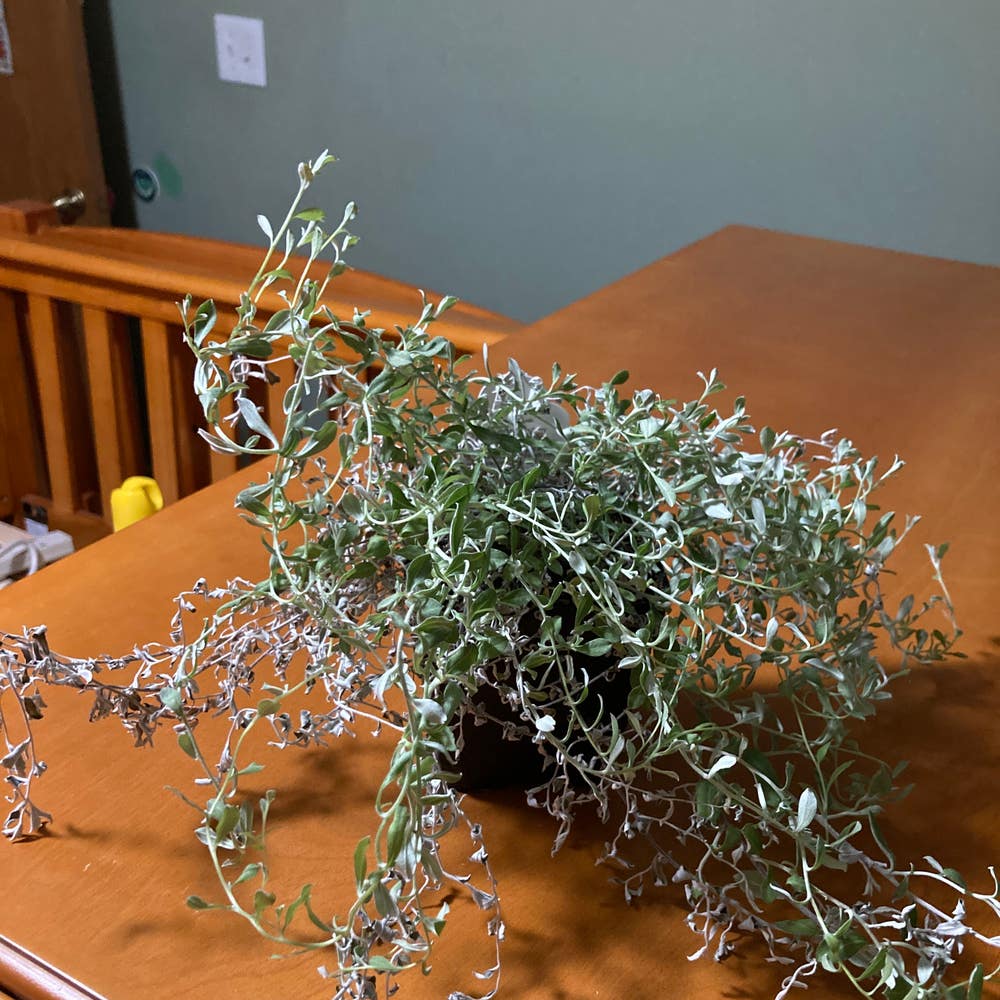
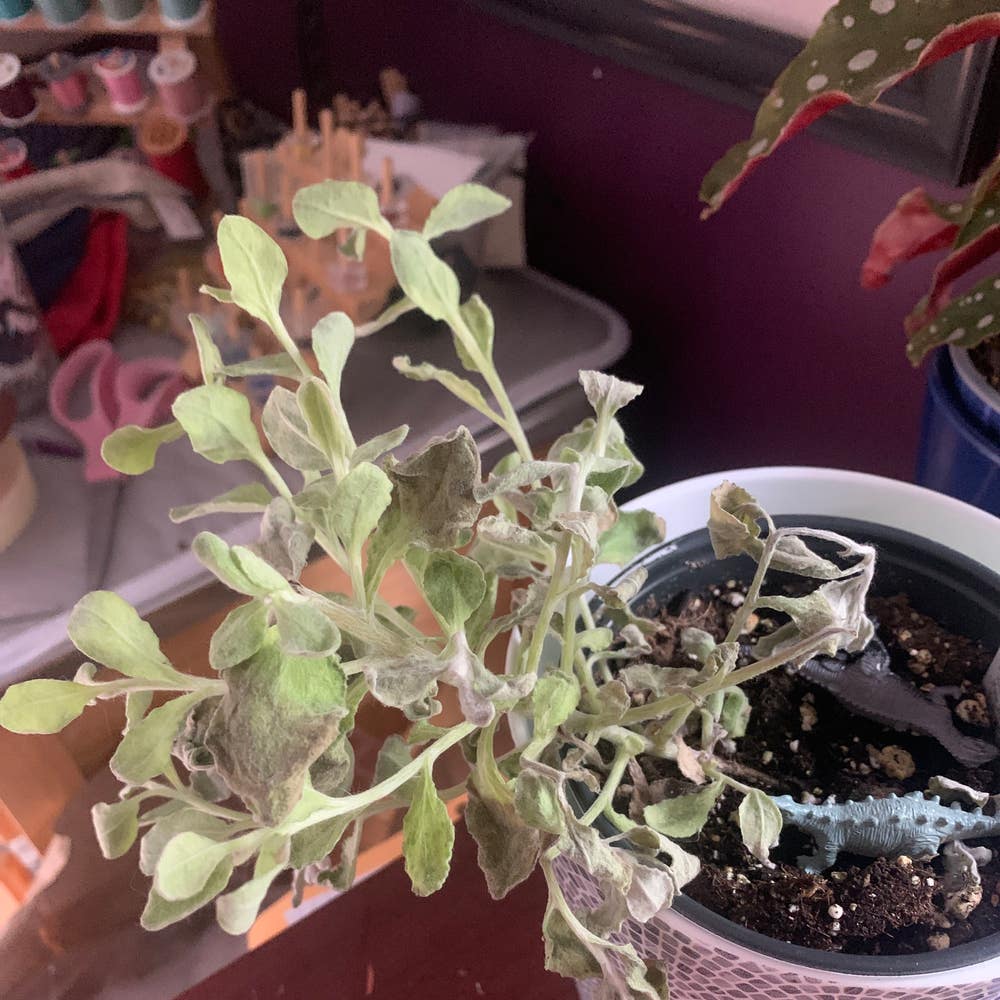
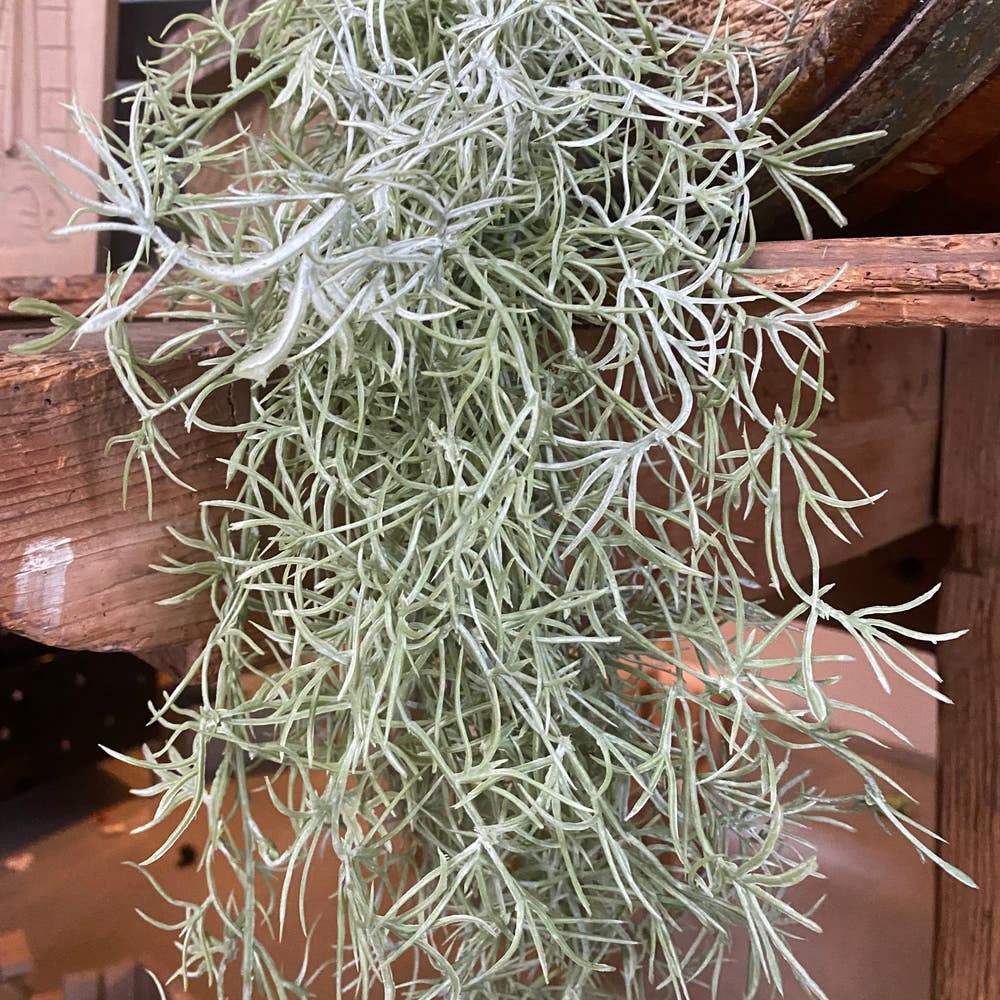
🌞 How to Fix Brown Spots on Your Helichrysum
Helichrysum basalticum
By the Greg Editorial Team
Nov 07, 2024•6 min read
This article was created with the help of AI so we can cover more plants for you. May contain errors. See one? Report it here.
Revive your Helichrysum by uncovering the secrets to treating brown spots! 🌱
- 🌧️💧 Brown spots arise from overwatering, underwatering, or nutrient deficiencies.
- 🐜🌿 Pests like aphids and spider mites can damage Helichrysum leaves.
- ☀️🌱 Excess sunlight and fungal infections also cause brown spots; monitor conditions closely.
Causes of Brown Spots
🌍 Environmental Stress Factors
Overwatering
Overwatering is a common issue that can lead to brown spots on your Helichrysum. Symptoms include yellowing leaves and mushy roots, indicating that the plant is struggling to breathe.
To prevent overwatering, ensure your soil drains well and allow the top inch of soil to dry out before watering again. This simple practice can save your plant from stress.
Underwatering
Conversely, underwatering can also cause brown spots, particularly crispy edges on leaves. This occurs when the plant doesn't receive enough moisture.
Regularly check the soil moisture and water when the top inch feels dry. Keeping a consistent watering routine is key to maintaining healthy foliage.
🥦 Nutrient Deficiencies
Nitrogen Deficiency
A nitrogen deficiency can manifest as pale leaves with brown spots. This nutrient is crucial for healthy leaf development.
To address this, use a balanced fertilizer that contains nitrogen. This will help restore your plant's vibrant green color.
Potassium Deficiency
Marginal browning on older leaves often signals a potassium deficiency. This nutrient supports overall plant health and resilience.
Applying potassium-rich fertilizers or amendments can effectively remedy this issue. Your Helichrysum will thank you with healthier growth.
🐜 Pest Infestations
Aphids
Aphids can wreak havoc on your Helichrysum, leaving behind sticky residue and curled leaves. These pests are often found in clusters, making them easy to spot.
Control aphid populations by introducing beneficial insects or using insecticidal soap. This approach helps maintain a healthy balance in your garden.
Spider Mites
Spider mites are another common pest, identifiable by fine webbing and stippled leaves. They thrive in dry conditions, making humidity control essential.
To combat spider mites, increase humidity around your plants and apply miticides if necessary. Keeping your Helichrysum hydrated can help prevent these pests.
🍄 Fungal Infections
Powdery Mildew
Powdery mildew presents as white powdery spots on leaves, which can lead to browning if left untreated. This fungal infection thrives in humid conditions with poor air circulation.
Using fungicides and improving air circulation around the plant can help control this issue. Regular monitoring is crucial for early detection.
Root Rot
Root rot is a serious condition that results from poor drainage, leading to wilting and brown spots on leaves. This often indicates that the roots are damaged.
To treat root rot, remove affected roots and repot the plant in fresh, well-draining soil. This will give your Helichrysum a fresh start.
☀️ Sunburn or Excessive Sunlight Exposure
Excessive sunlight can cause brown, crispy spots on leaves, particularly during the hottest parts of the day.
To prevent sunburn, provide partial shade during peak sunlight hours, especially in summer. This simple adjustment can protect your plant from unnecessary stress.
Understanding these causes is the first step in effectively treating brown spots on your Helichrysum. Next, we’ll explore how to diagnose these issues accurately.
Diagnosing Brown Spots
🕵️ Identifying Symptoms and Patterns
To effectively diagnose brown spots on your Helichrysum, start by examining where the spots are located. Are they on the edges or the centers of the leaves?
Next, observe how the symptoms progress over time. Tracking changes can provide crucial insights into the underlying issue.
🐛 Differentiating Between Pest Damage and Disease
Understanding whether brown spots are caused by pests or diseases is key to effective treatment.
Pest Damage Indicators:
- Look for the presence of insects or webbing.
- Sticky residue or curled leaves can signal pest infestations.
Disease Indicators:
- Fungal growth or unusual discoloration patterns often indicate disease.
- Leaf drop or wilting can further confirm a health issue.
🌍 Assessing Environmental Conditions
Environmental factors play a significant role in the health of your Helichrysum.
Humidity Levels:
- Aim for humidity levels between 40-60% for optimal growth.
Temperature Fluctuations:
- Keep temperatures within the ideal range of 20°C to 30°C (68°F to 86°F) to prevent stress on the plant.
By carefully assessing these symptoms and environmental conditions, you can pinpoint the cause of brown spots and take appropriate action. This proactive approach sets the stage for effective treatment and healthier plants.
Treatment Options
Step-by-Step Guide to Treating Brown Spots 🌱
Identify the cause of brown spots through careful observation. Look for patterns in the leaves and consider environmental factors.
Adjust watering practices based on environmental conditions. Ensure your Helichrysum is neither overwatered nor underwatered.
Apply appropriate fertilizers to address nutrient deficiencies. A balanced fertilizer can help restore vitality to your plant.
Use recommended fungicides or pesticides as needed. This step is crucial if pests or diseases are identified.
Recommended Fungicides and Pesticides 🧪
- Fungicides: Neem oil and sulfur-based products are effective against powdery mildew.
- Pesticides: Insecticidal soap works well for controlling aphids and spider mites.
Adjusting Watering Practices 💧
Establish a consistent watering schedule based on soil moisture levels. This helps maintain optimal hydration for your plant.
Use the Greg plant care app for reminders on watering and fertilization. It’s a handy tool to keep your plant care routine on track.
Soil Amendments for Nutrient Deficiencies 🌿
Incorporate compost or well-rotted manure to improve soil fertility. This enriches the soil and promotes healthy growth.
Use slow-release fertilizers to provide a steady supply of nutrients. This ensures your Helichrysum gets what it needs over time.
By following these treatment options, you can effectively address brown spots and help your Helichrysum thrive. Next, let’s explore preventive measures to keep your plant healthy and vibrant.
Preventive Measures
💧 Best Practices for Watering
Watering your Helichrysum properly is crucial for preventing brown spots. Aim to water deeply but infrequently, which encourages deep root growth and resilience.
Regularly monitor soil moisture to avoid the pitfalls of overwatering or underwatering. Checking the top inch of soil can help you determine when it's time to water again.
☀️ Ideal Sunlight Conditions
Helichrysum thrives in full sun, so provide it with 6-8 hours of sunlight daily. However, be mindful of intense afternoon sun, which can scorch the leaves.
Using shade cloth during peak summer months can protect your plants from excessive heat and light. This simple measure can make a significant difference in their health.
🔍 Regular Inspection for Pests and Diseases
Conduct weekly checks for any signs of pests or diseases. Early detection is key to preventing a small issue from becoming a larger problem.
If you notice any affected leaves, remove them immediately to stop the spread. This proactive approach keeps your Helichrysum healthy and vibrant.
🌱 Fertilization Schedule
Establish a fertilization schedule to support your plant's growth. Fertilize every 4-6 weeks during the growing season with a balanced fertilizer to provide essential nutrients.
Adjust your fertilization based on specific nutrient needs identified during diagnosis. Tailoring your approach ensures your Helichrysum receives exactly what it needs to thrive.
By implementing these preventive measures, you can maintain the health of your Helichrysum and minimize the risk of brown spots. Next, let's explore effective treatment options if brown spots do appear.
⚠️ Safety First
This content is for general information and may contain errors, omissions, or outdated details. It is not medical, veterinary advice, or an endorsement of therapeutic claims.
Always consult a qualified healthcare professional before using any plant as food, medicine, or supplement.
Never eat any plant (or feed one to pets) without confirming its identity with at least two trusted sources.
If you suspect poisoning, call Poison Control (800) 222-1222, the Pet Poison Helpline (800) 213-6680, or your local emergency service immediately.
Spotted an error? Please report it here.
Keep your Helichrysum thriving 🌼 by diagnosing brown spots and using Greg's tailored reminders for watering and fertilization to ensure it stays healthy and vibrant!