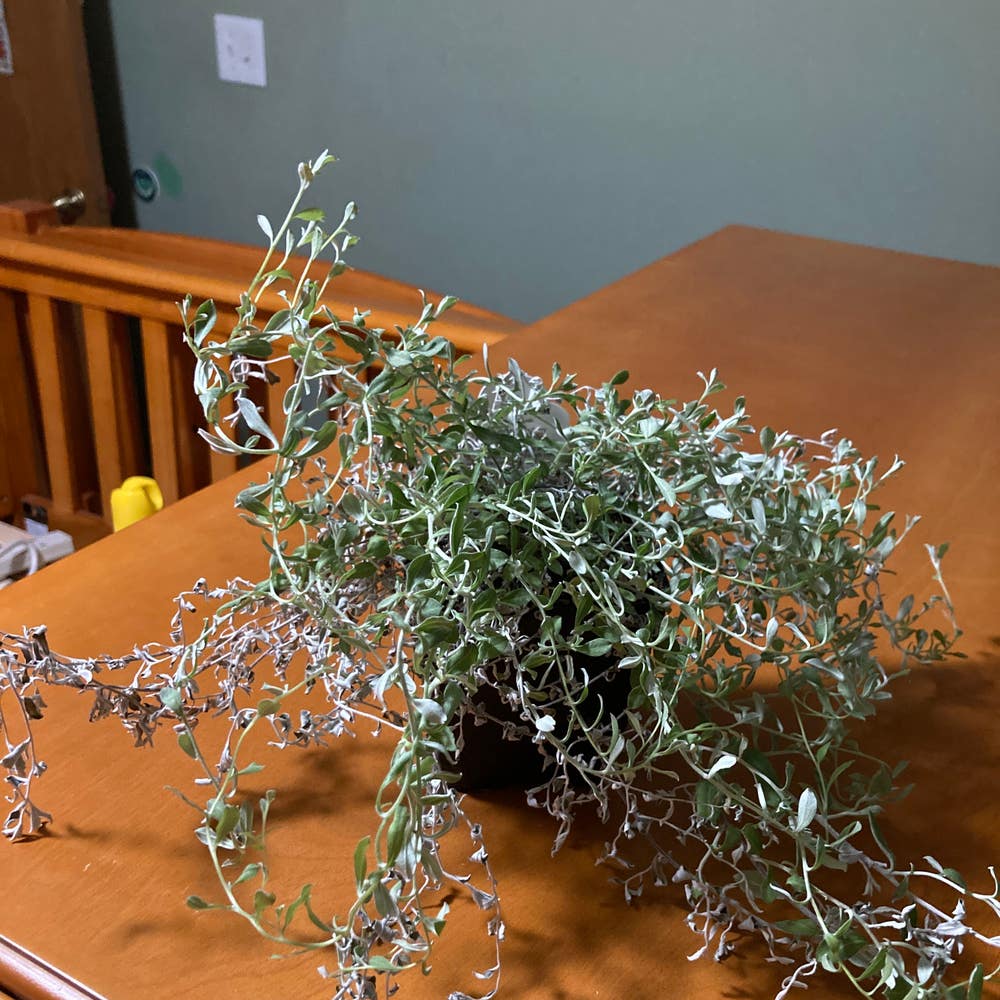
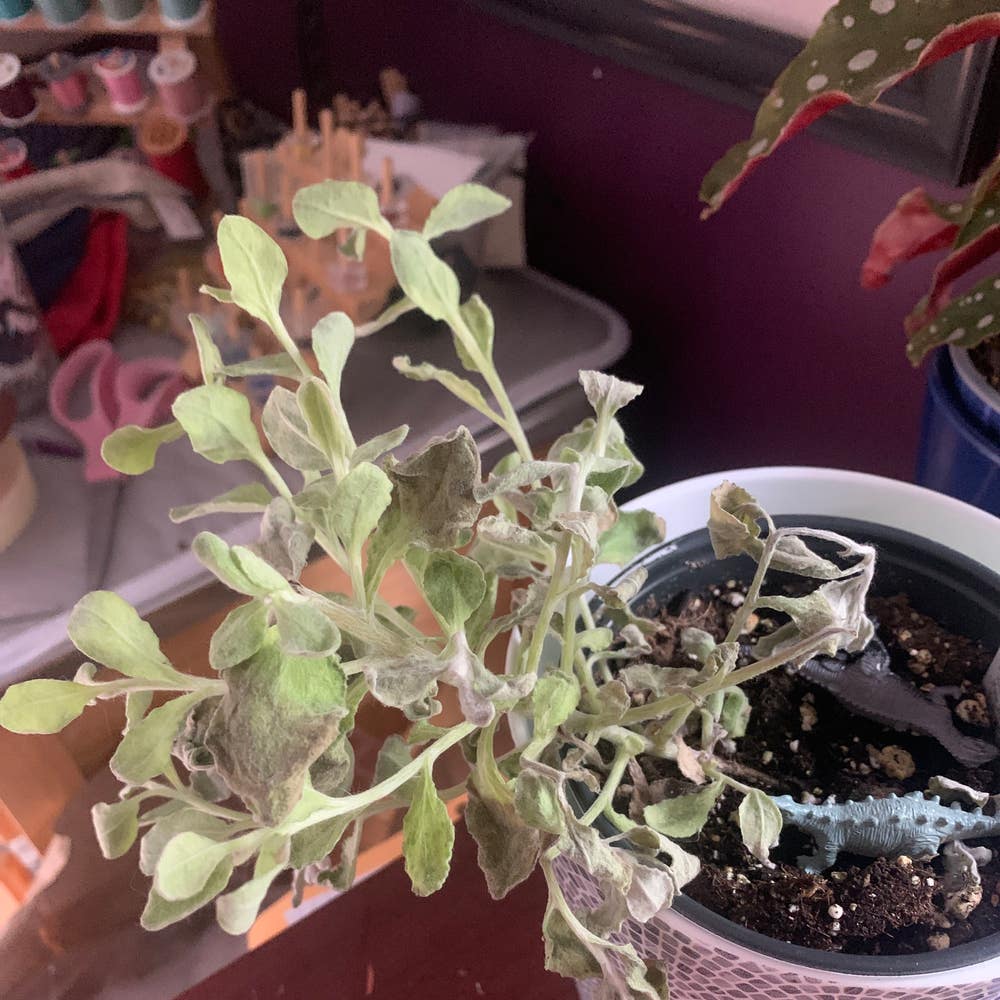
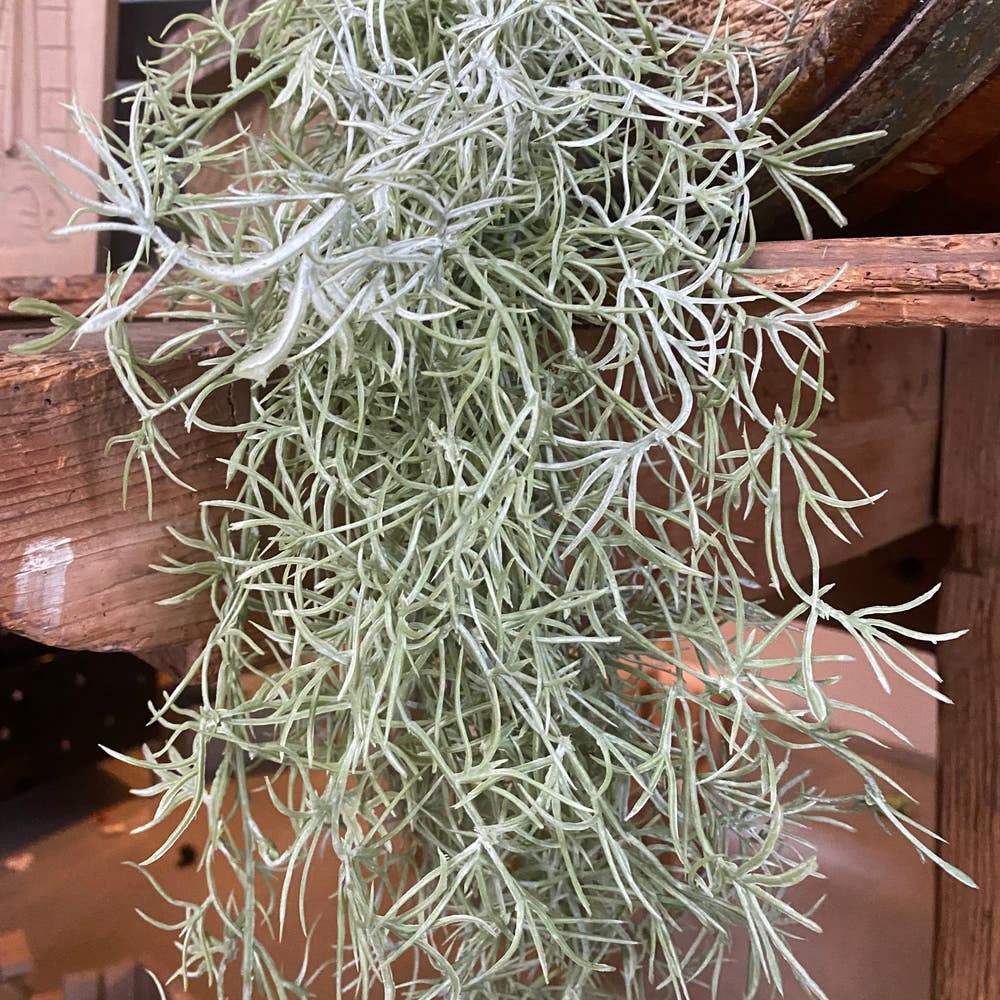
Best Tips for Droopy Leaves on Helichrysum 🌼
Helichrysum basalticum
By the Greg Editorial Team
Nov 07, 2024•6 min read
This article was created with the help of AI so we can cover more plants for you. May contain errors. See one? Report it here.
Transform your Helichrysum into a vibrant beauty 🌼 with essential watering tips and care practices for thriving plants! 🌱
- 💧 Proper watering is crucial; overwatering causes root rot, while underwatering leads to dryness.
- 🌞 Helichrysum needs 6-8 hours of sunlight daily to thrive and prevent droopy leaves.
- 🌱 Nutrient deficiencies in nitrogen and potassium can cause droopy leaves and stunted growth.
Watering Practices
🌊 Importance of Proper Watering
Proper watering is crucial for maintaining leaf turgor in Helichrysum plants. When adequately hydrated, leaves remain firm and vibrant, contributing to the overall health of the plant.
Watering practices directly influence plant vitality. Consistent moisture levels help prevent stress, allowing your Helichrysum to thrive and display its beautiful foliage.
🚰 Signs of Overwatering vs. Underwatering
Recognizing the signs of overwatering is essential for plant care. Look for yellowing leaves, which often indicate excess moisture, and watch for root rot symptoms like mushy roots and a foul smell.
On the flip side, underwatering presents its own set of challenges. Crispy, dry leaves and noticeable leaf curl signal that your Helichrysum is thirsty and in need of immediate attention.
Understanding these signs can help you adjust your watering routine effectively. By keeping a close eye on your plant's condition, you can ensure it remains healthy and vibrant.
With proper watering practices in place, you can move on to exploring soil and nutrient requirements for your Helichrysum.
Soil and Nutrient Requirements
🌱 Ideal Soil Composition
Helichrysum thrives in well-draining sandy or loamy soil. This type of soil allows for proper aeration and prevents water from pooling around the roots, which is crucial for healthy growth.
Maintaining a soil pH between 6.0 and 7.0 is optimal for Helichrysum. This range ensures that the plant can absorb essential nutrients effectively, promoting vibrant foliage and robust flowering.
🥬 Nutrient Deficiencies Leading to Droopy Leaves
Nutrient deficiencies can significantly impact the health of your Helichrysum. A lack of nitrogen often leads to yellowing leaves and droopiness, while insufficient potassium weakens the leaf structure, making them more susceptible to damage.
Signs of nutrient deficiency include stunted growth and noticeable leaf discoloration. Regularly checking your plant’s health can help you catch these issues early, ensuring your Helichrysum remains vibrant and lively.
By understanding the soil and nutrient needs of your Helichrysum, you can create an environment that fosters growth and prevents droopy leaves. Next, we’ll explore the light and temperature conditions that are essential for keeping your plant thriving.
Light and Temperature Conditions
Optimal Light Conditions 🌞
Helichrysum thrives in full sun, requiring a minimum of 6-8 hours of direct sunlight daily. Insufficient light can lead to droopy leaves and poor flowering, leaving your plant looking lackluster.
Effects of Temperature Fluctuations 🌡️
The ideal temperature range for Helichrysum is between 20°C to 30°C (68°F to 86°F). Extreme temperatures can cause significant stress:
- Heat Stress: This leads to wilting and droopiness, as the plant struggles to retain moisture.
- Cold Stress: Exposure to cold can result in leaf drop and damage, hindering your plant's overall health.
Maintaining the right light and temperature conditions is crucial for keeping your Helichrysum vibrant and healthy. By ensuring these environmental factors are optimal, you can prevent droopy leaves and promote robust growth.
Next, let’s explore how soil and nutrients play a vital role in the health of your Helichrysum.
Pest and Disease Management
🐜 Common Pests Affecting Helichrysum
Helichrysum plants can fall victim to several pests that may cause droopy leaves. Understanding these pests and how to manage them is crucial for maintaining plant health.
Aphids
Aphids are tiny, soft-bodied insects that often cluster on new growth. Look for signs like curled leaves and sticky residue (honeydew) on the plant. To control aphids, consider using insecticidal soap or introducing natural predators like ladybugs.
Spider Mites
Spider mites are another common threat, especially in dry conditions. You might notice fine webbing on the leaves and tiny yellow spots. To treat spider mites, increase humidity around the plant and apply miticides or neem oil.
Whiteflies
Whiteflies are small, white, moth-like insects that can cause significant damage. Symptoms include yellowing leaves and a general decline in plant vigor. To manage whiteflies, use yellow sticky traps and insecticidal soap to reduce their population.
🦠 Diseases That Cause Droopy Leaves and Their Treatments
Droopy leaves can also signal underlying diseases that need immediate attention. Identifying and treating these diseases early can save your Helichrysum from serious damage.
Root Rot
Root rot is often caused by overwatering or poorly draining soil. Symptoms include wilting, yellowing leaves, and a foul smell from the roots. To prevent root rot, ensure your plant is in well-draining soil and allow the top inch of soil to dry out between waterings.
Powdery Mildew
Powdery mildew appears as a white, powdery coating on leaves and stems. It thrives in humid conditions and can lead to droopy leaves. To treat powdery mildew, improve air circulation around the plant and apply fungicides as needed.
Fungal Infections
Fungal infections can manifest in various ways, including leaf spots and wilting. Signs to watch for include discolored patches and a general decline in health. Effective treatments include removing affected leaves and applying appropriate fungicides to combat the infection.
Understanding these pests and diseases is essential for keeping your Helichrysum thriving. By staying vigilant and proactive, you can ensure your plants remain healthy and vibrant. Next, let’s explore preventive measures and best practices to maintain your Helichrysum's health year-round.
Preventive Measures and Best Practices
🌱 Routine Care Tips
Establishing a regular watering schedule is crucial for maintaining healthy Helichrysum. Consider using the Greg plant care app to set reminders, ensuring your plant receives consistent moisture.
Regular soil checks are essential too. Make sure the soil has proper drainage and aeration to prevent water accumulation, which can lead to root problems.
Fertilization is another key aspect of care. Aim for a monthly feeding during the growing season to provide your Helichrysum with the nutrients it needs to thrive.
📅 Seasonal Considerations
As the seasons change, so should your watering frequency. In hotter months, your Helichrysum may require more water, while cooler months may necessitate less.
Protecting your plant from extreme weather conditions is vital. Whether it’s shielding it from harsh sunlight or frost, taking precautions can help maintain its health.
Lastly, seasonal pruning can promote healthy growth. Timing your pruning correctly and using the right techniques can invigorate your Helichrysum, encouraging lush foliage and vibrant blooms.
By following these preventive measures and best practices, you can keep your Helichrysum thriving and vibrant throughout the year. Next, let’s explore common pests and diseases that can affect your plant and how to manage them effectively.
⚠️ Safety First
This content is for general information and may contain errors, omissions, or outdated details. It is not medical, veterinary advice, or an endorsement of therapeutic claims.
Always consult a qualified healthcare professional before using any plant as food, medicine, or supplement.
Never eat any plant (or feed one to pets) without confirming its identity with at least two trusted sources.
If you suspect poisoning, call Poison Control (800) 222-1222, the Pet Poison Helpline (800) 213-6680, or your local emergency service immediately.
Spotted an error? Please report it here.
Keep your Helichrysum perky and vibrant 🌼 by using Greg's tailored care reminders to master watering, sunlight, and nutrients for thriving leaves!