☀️ Optimal Temperature for Your Helichrysum
Helichrysum basalticum
By the Greg Editorial Team
Nov 07, 2024•4 min read
This article was created with the help of AI so we can cover more plants for you. May contain errors. See one? Report it here.
Unlock vibrant Helichrysum blooms 🌼 by mastering their temperature needs for thriving growth year-round!
- 🌡️ Helichrysum thrives best between 20°C to 30°C (68°F to 86°F) for optimal growth.
- ❄️🔥 Temperature extremes can cause stress, impacting health and flowering.
- 🌿 Monitor moisture and humidity to prevent temperature-related issues in Helichrysum.
Temperature Requirements
Ideal Temperature Range 🌡️
Helichrysum thrives best in a cozy temperature range of 20°C to 30°C (68°F to 86°F). This sweet spot promotes optimal growth, ensuring your plants flourish.
However, these resilient plants have their limits. They can tolerate a maximum of 30°C (86°F) and a minimum of 5°C (41°F).
Different varieties of Helichrysum exhibit unique preferences. Some enjoy slightly warmer conditions, while others can handle cooler temperatures with ease.
Effects of Temperature Extremes ❄️
Exceeding the optimal temperature range can lead to significant issues. You might notice growth inhibition and reduced flowering, which can be disheartening for any gardener.
Additionally, high temperatures can make Helichrysum more vulnerable to pests and diseases. On the flip side, temperatures dropping below the minimum threshold can stunt growth and, in severe cases, lead to plant death.
Understanding these temperature requirements is crucial for maintaining healthy Helichrysum plants. With the right conditions, you can enjoy vibrant blooms and robust growth throughout the growing season.
As we explore further, let’s delve into the symptoms of temperature stress that can affect your Helichrysum.
Temperature Stress Symptoms
Signs of Heat Stress 🌡️
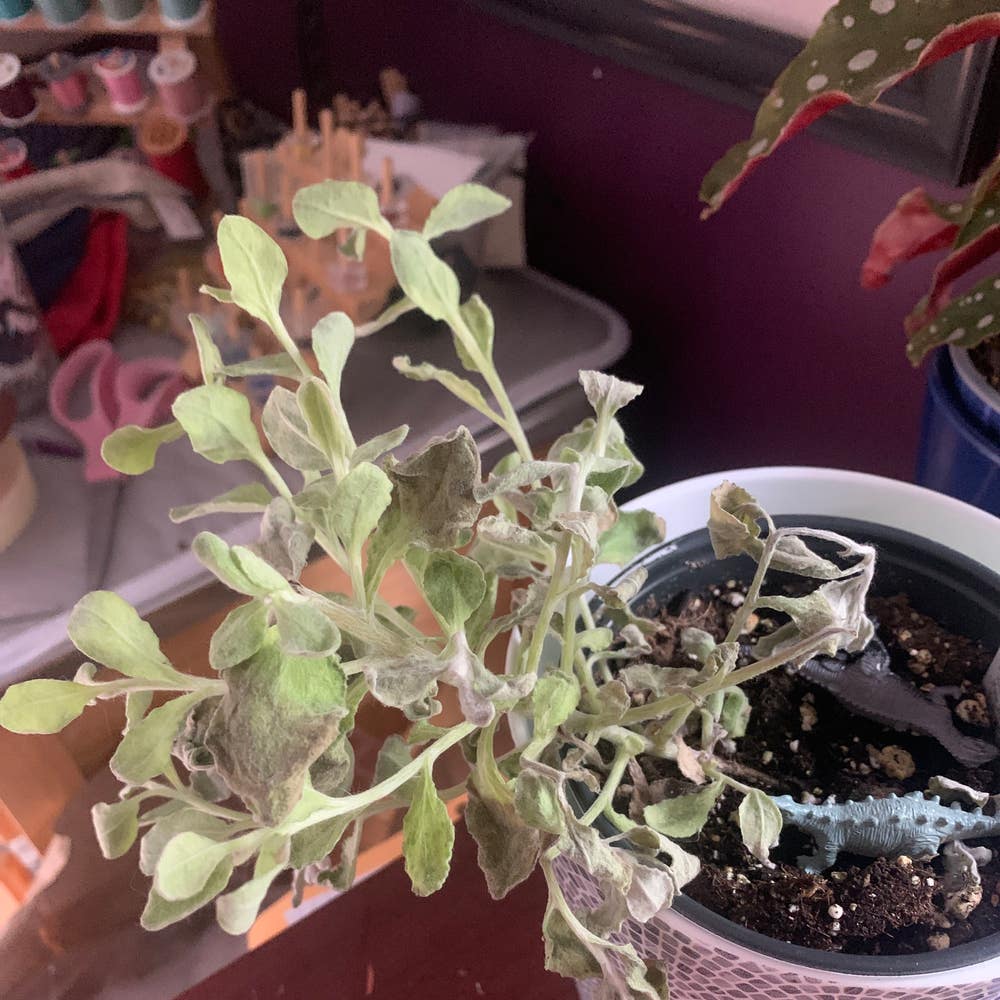
Heat stress can significantly impact your Helichrysum plants. One of the first signs is leaf wilting, where leaves appear droopy and lack firmness.
Another indicator is leaf drop, which involves the premature shedding of leaves. You might also notice color changes, with leaves turning yellow or brown as they struggle to cope with the heat. Additionally, heat stress can lead to reduced flowering, resulting in fewer blooms or smaller flower sizes.
Signs of Cold Stress ❄️
Cold stress presents its own set of challenges for Helichrysum. Look for leaf discoloration, where leaves may darken or develop brown edges, signaling distress.
Wilting is another symptom, often accompanied by a mushy texture that indicates the plant is struggling. Lastly, stunted growth can occur, characterized by slower growth rates and reduced vigor, making your plants less robust.
Understanding these symptoms is crucial for maintaining the health of your Helichrysum. By recognizing the signs of temperature stress early, you can take action to protect your plants and ensure they thrive.
Next, let’s explore the causes of temperature stress and how to mitigate its effects.
Causes of Temperature Stress
🌡️ Environmental Factors
Temperature stress in Helichrysum can stem from several environmental factors. Prolonged exposure to extreme heat or cold can severely impact plant health.
Poor soil drainage is another culprit, leading to temperature fluctuations that can shock the roots. Additionally, urban heat islands can create localized microclimates, making conditions even more challenging for your plants.
⚡️ Impact of Sudden Changes
Sudden temperature changes can be particularly jarring for Helichrysum. Rapid drops or spikes can cause shock, leaving your plants struggling to adapt.
This is why gradual acclimatization is crucial for outdoor plants. Allowing them to adjust slowly to changing temperatures can make all the difference in their overall health and resilience.
Geographic Considerations
🌍 Native Habitats
Helichrysum thrives in warm, temperate climates, where it naturally flourishes. These regions typically experience mild winters and warm summers, creating an ideal environment for optimal growth.
The temperature ranges in these native habitats usually hover between 20°C to 30°C (68°F to 86°F). This consistency allows Helichrysum to develop robustly, showcasing its vibrant blooms.
🌱 Recommended Growing Zones
For successful cultivation, most Helichrysum varieties are best suited to USDA hardiness zones 9-11. These zones provide the warmth and stability that these plants crave.
If you’re in a cooler zone, don’t fret! You can create microclimates by utilizing sheltered spots or protective measures like row covers. This way, you can still enjoy the beauty of Helichrysum, even in less-than-ideal temperatures.
Understanding these geographic considerations will help you provide the best care for your Helichrysum. Next, let’s explore how seasonal temperature fluctuations can impact your plants and what you can do to prepare for them.
Seasonal Temperature Considerations
🌡️ Fluctuations Through the Seasons
Seasonal temperature changes can significantly impact your Helichrysum plants. In spring and summer, warmer temperatures promote growth, while autumn and winter bring cooler conditions that can stress the plants.
🛠️ Preparing for Seasonal Changes
To protect your Helichrysum from winter cold, consider using frost cloths or moving potted plants indoors. In summer, ensure adequate watering and provide shade during extreme heat to prevent heat stress.
💧 Brief Mention of Humidity
Humidity plays a crucial role in temperature stress for Helichrysum. High humidity can exacerbate heat stress, while low humidity during cold spells can lead to dehydration, making it essential to monitor both temperature and moisture levels for optimal plant health.
As you prepare for seasonal changes, remember that a little attention goes a long way in keeping your Helichrysum thriving. Next, we’ll explore the signs of temperature stress and how to identify them early.
⚠️ Safety First
This content is for general information and may contain errors, omissions, or outdated details. It is not medical, veterinary advice, or an endorsement of therapeutic claims.
Always consult a qualified healthcare professional before using any plant as food, medicine, or supplement.
Never eat any plant (or feed one to pets) without confirming its identity with at least two trusted sources.
If you suspect poisoning, call Poison Control (800) 222-1222, the Pet Poison Helpline (800) 213-6680, or your local emergency service immediately.
Spotted an error? Please report it here.
Keep your Helichrysum thriving 🌱 by using Greg's tailored reminders to monitor temperature and moisture, ensuring your plants flourish in their ideal conditions!